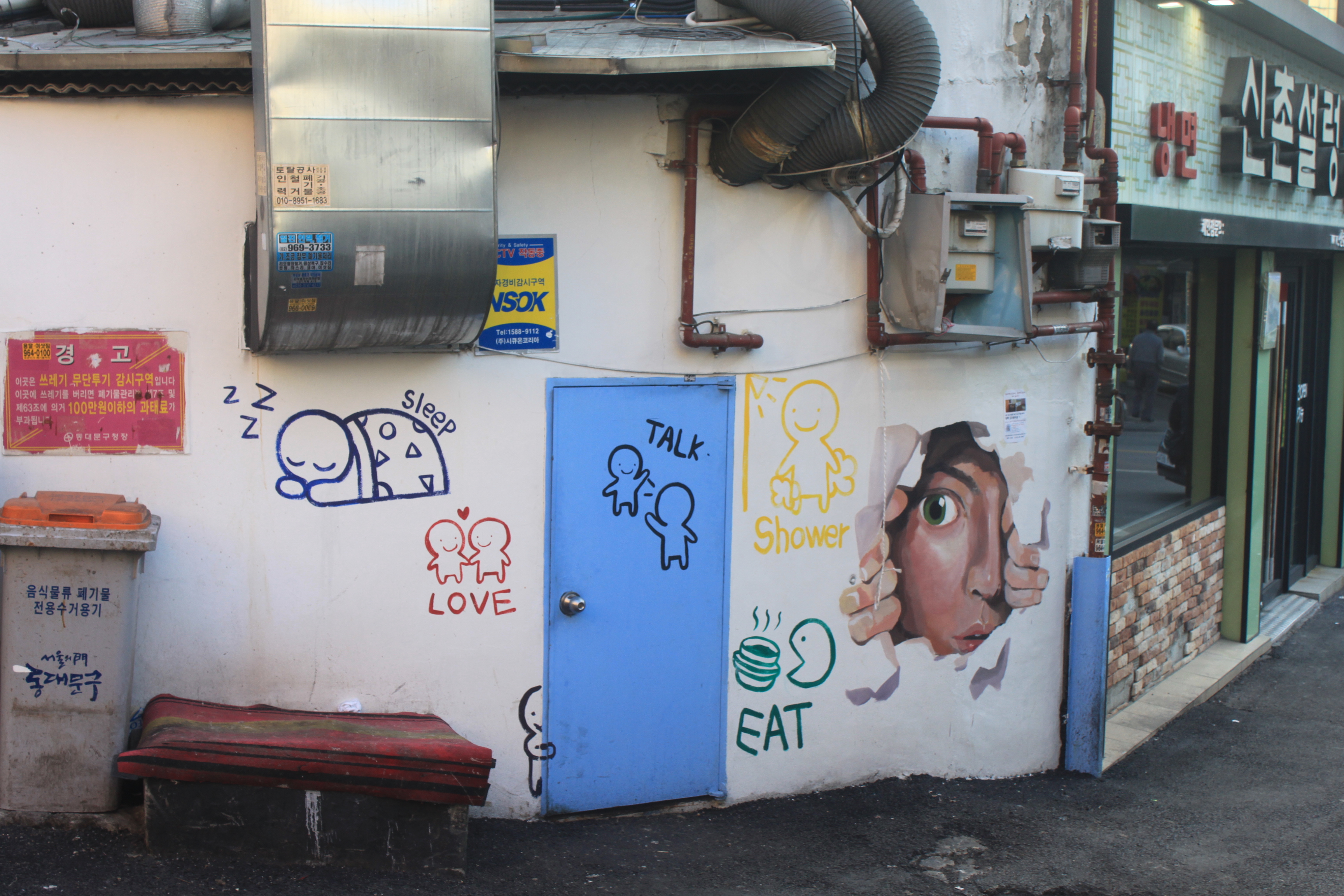
The School of Art at Kyung Hee University decided to devote its efforts to transforming the alleys around the university by painting a series of compelling posters with strong messages that call out to the passer by. The posters are remarkably effective. Here are a few examples.
Today in Korea
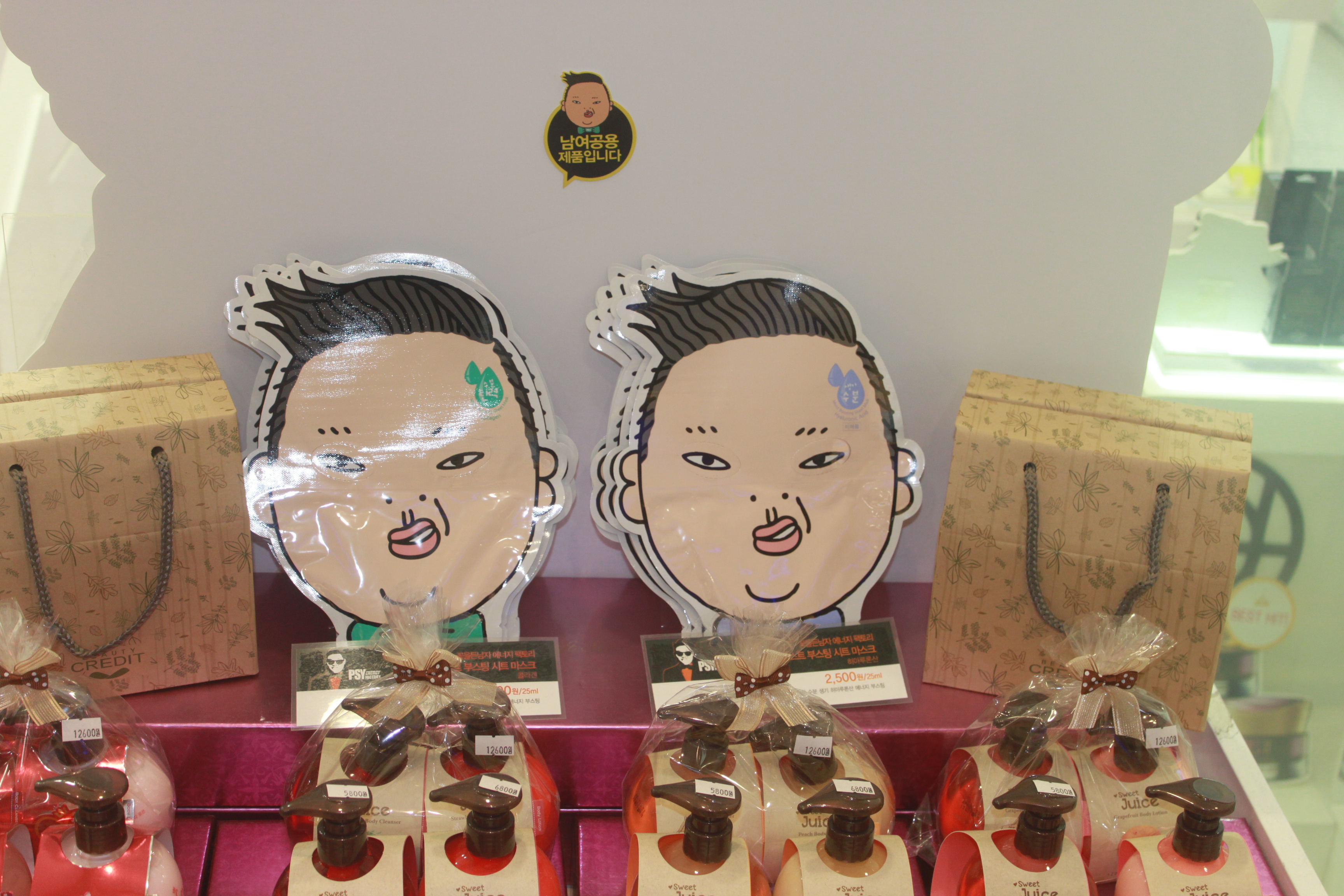
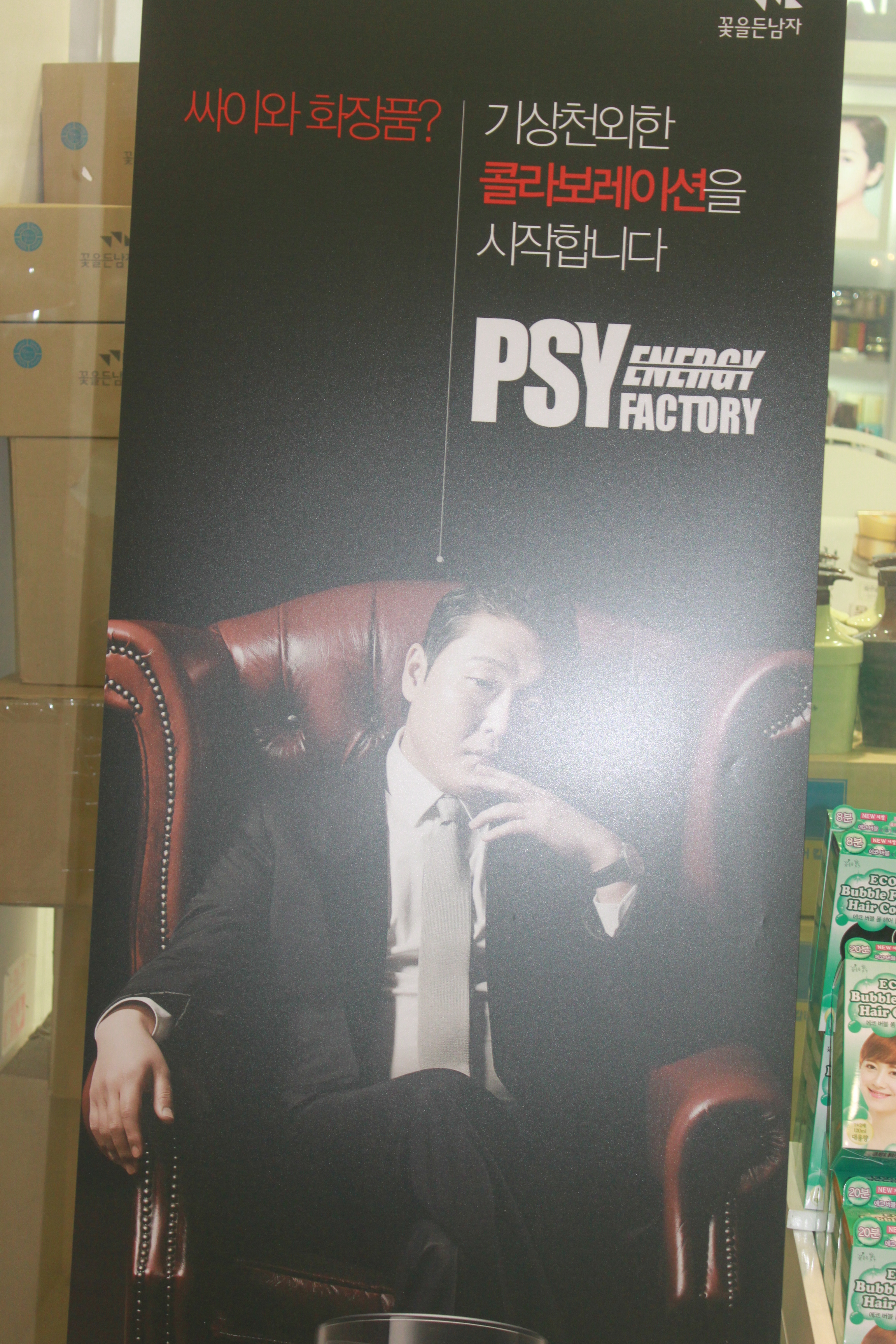
Psy in Korea
It is remarkable the number of forms Psy has taken in Korea since his success with “Gangnam Style.” You can see him literally on every shelf of the supermarket and every corner of the street.

This address is interesting in several respects but above all in its emphasis on the transformative nature of culture and the value of a convergence of fields.
Park Geun-hye
Inaugural Address as President of the Republic of Korea
February 25, 2013
“Opening a New Era of Hope”
My fellow Koreans and seven million fellow compatriots overseas,
As I take office as the 18th-term President of the Republic of Korea, I stand before you today determined to open a new era of hope.
I am profoundly grateful to the Korean people for entrusting this historic mission to me. I also thank President Lee Myung-bak, former Presidents, dignitaries who have come from abroad to celebrate this occasion, and other distinguished guests for their presence.
“홍익인간에서 한국교육의 미래를 찾다” (동아일보 기고문)
동아일보
2013년2월13일
“홍익인간에서 한국교육의 미래를 찾다”
한국교육은 장점이 많다. 교육열이 높고 교사와 교재의 수준도 뛰어나다. 다만 결과와 등수만 중시하는 경쟁 위주의 교육제도는 문제다. 학생들은 서로 협력하기보다 1등만을 요구받는다. 인간의 가치도 숫자로만 결정된다. 이런 경향은 교육의 상대평가제도에서도 나타난다. 한국사회가 근대화 과정을 거치면서 생활수준을 연봉이나 경제 성장과 같은 수치로 판단하게 됐고 이게 교육에까지 영향을 미쳐 상대평가제도가 도입됐다. 그러나 인간에 대한 이해와 깨달음은 숫자로만 설명할 수 있는 게 아니다. 개인적으로 한국교육의 문제는 두 가지 착각에서 비롯됐다고 생각한다. 첫 번째는 경쟁을 해야만 선진국에 도달할 수 있다고 믿는 것이다. 하지만 이제 한국도 선진국이다. 어떤 부분에서는 미국보다 낫다.
Assorted images and insights from Seoul, January, 2013

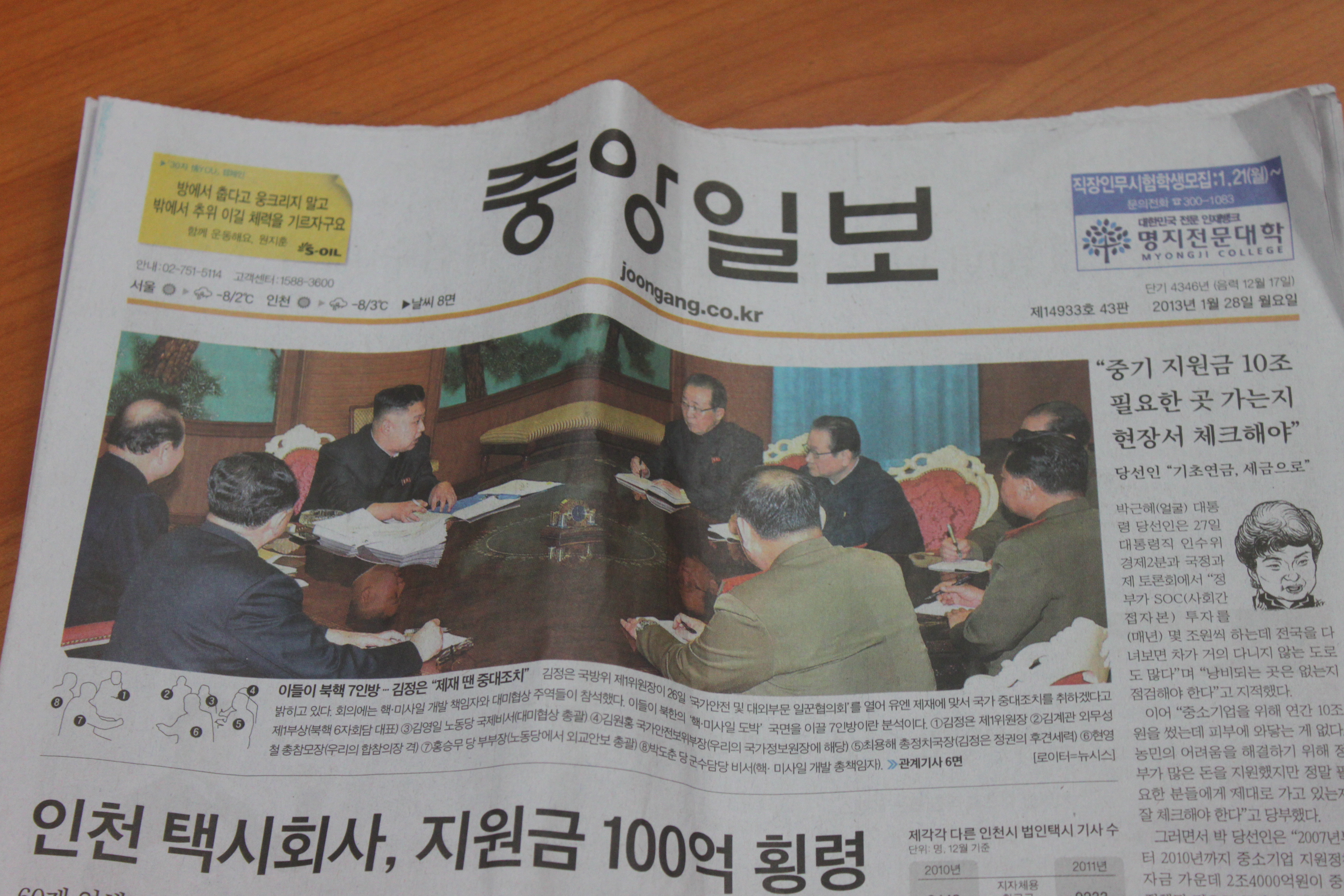
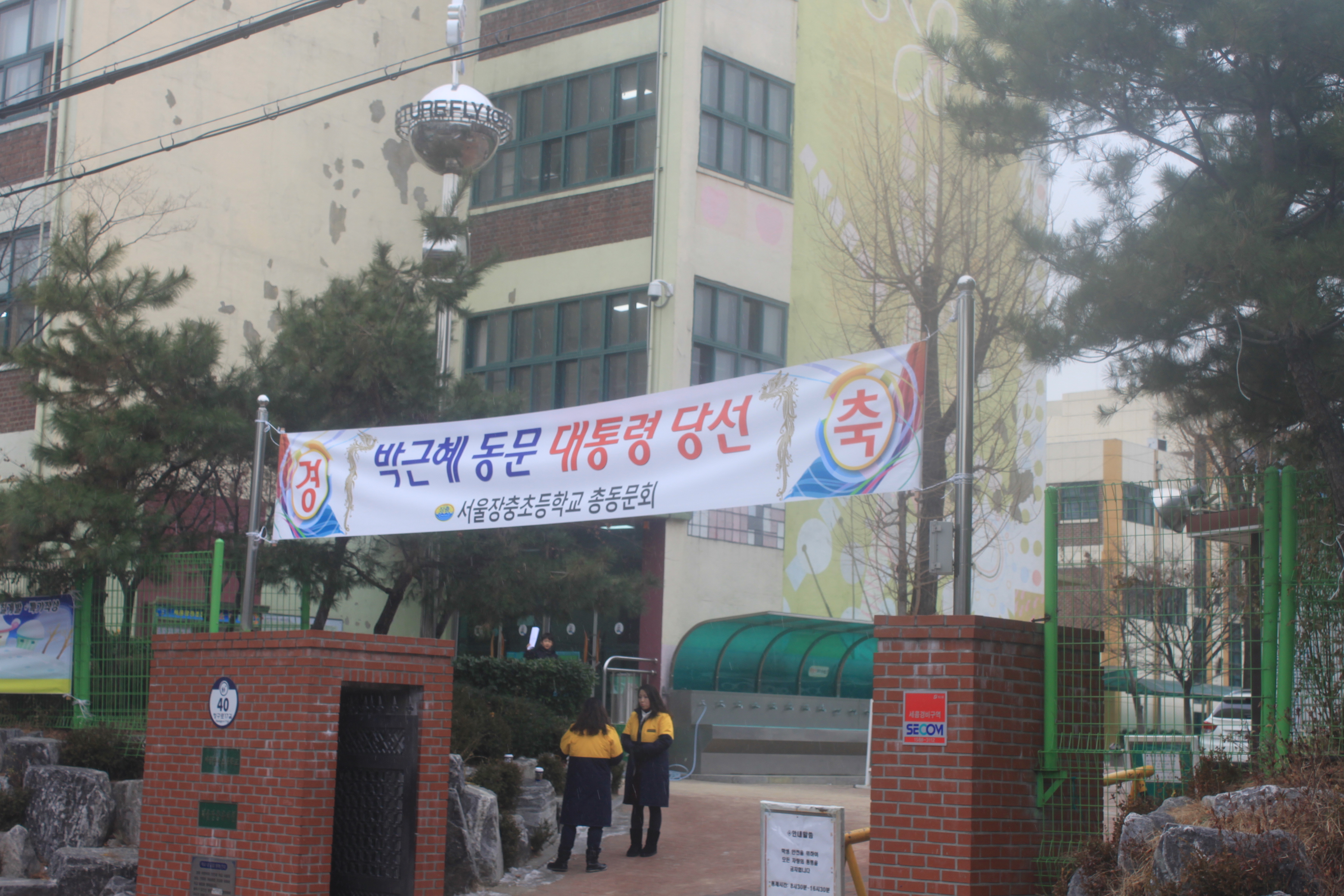
The Huffington Post
January 21, 2013
Congratulations on Your Monster-Hit Gangnam Style, Psy!
Now It Is Time to Become a Vegetarian and Ride a Bicycle
Emanuel Pastreich
Director
The Asia Institute
Mr. Psy
YG Entertainment
397-5 Hapjeong-dong Mapo-gu
Seoul, Republic of KoreaDear Psy,
Congratulations on your monster hit “Gangnam Style!” Your music video is the first in history to reach one billion hits on the Internet and it has shaken the world to its core. You have seized the zeitgeist by the horns, channeling the vitality and the contradictions of Seoul’s nouveau-riche south end into some of the most stunning dance routines and biting parodies of life in the fast lane I have ever seen. Bravo!
“Tragedy of the Age of Surfaces” in The Hankyoreh

“Tragedy of the Age of Surfaces”
Emanuel Pastreich
The Hankyoreh Newspaper
January 3, 2013
We live in an age of surfaces; a tragic age of surfaces. What exactly does that mean? It means that computers have become so sophisticated that the videos, the photographic images and the logos for products they produce are perfect, as are the PC monitors, mobile phones, headsets and just about every other item in the house. In such a world as this, the world we live in, if you were to make something with your hands it would seem innately out of place when seen next to the perfectly shaped objects that you can obtain at a convenience store. That is to say you could labor for days and never draw as perfect a line as you see on the wrapper of a ramen package that you throw away.
As a result, we have become accustomed to perfect surfaces, perfect designs, and flawless, if boring, layout in all the products that surround us. I would certainly not say that having products around one that are perfectly designed, from the bowl you use for your cereal to the gossip magazine you read in the evening, is bad in itself, but over time such a “perfect world” is a terrible burden, especially for young people. Young people are encouraged to be creative in school, to be innovative, but in fact nothing that you can make with your own hands measures up to the perfection found in the design of everyday things.
As a result, our ability to be creative, to create new things, becomes extremely limited after the second grade of primary school. We cannot compete in our own actions with what we are exposed to, and even those who go on to be artists find themselves, knowingly or unknowingly, copying perfect examples of art that they see in photographs.
But the tragedy is deeper than that. More often than not surface is mistaken for depth and young people become obsessed with looking good, with conforming to certain established appearances that they see around them. Of course the “creative bohemian” may be one of those looks, but ultimately the issue becomes one of how one appears, not what one actually does or thinks. You can dress up like an artist, but you cannot create anything. The pressure to look perfect has become enormous, to look like avatars in games or idols in posters.
And as a result of such pressures, we see a tremendous increase in plastic surgery among young people. That practice takes its hidden and muffled toll on the soul. Young women and men feel compelled to spend money to force their bodies conform to the ideal human bodies that they see in movies and comic books. The fact that those human bodies they observe are not natural to start with is a secondary issue. That unnatural beauty has become the natural look in an age of hyper mechanical reproduction.
The tragedy of embracing surfaces and leaving behind the depth of experience has a terrible price, no matter how great the initial thrill may be. A person caught up in the world of surfaces finds no way to express himself or herself directly, lest he or she create an rip, a tear, in the perfect surface of being. They are, after all, competing directly in the search for perfection with the perfectly rendered unreal world. Not much of a chance of finding happiness in that existence. Ultimately, one will feel ashamed of being oneself, of being human.
All throughout Seoul we find young men and women laughing together in seemingly intimate groups, dressed up to be glamorous; striving to be perfect. They act as if all they care about is talking to their close friends, but all they actually think about it how they appear to the strangers they pass by.
But when I look at their eyes, I can see that they are not laughing at all. That laughter they produce through years of practice is a ritual of surfaces; their eyes are mostly sad. Trapped inside the surface of things, such young people cannot even allow themselves to feel sad, to express their own inner worries. And so the tragedy of surfaces is complete.
The oppressive world of trying to seem like someone else creating stresses that cannot be escaped. The first step towards a solution is recognizing the terrible tragedy of surfaces that haunts our youth and allowing them to look sad even when walking in a crowd.
The Korean Wave Extends to Shamanism
Emanuel Pastreich
The Korean Wave Extends to Shamanism
December 29, 2012
The Korean Wave is taking off in many unexpected directions these days. Moving beyond K Pop and gory movies to offer that something that is missing in our rather vapid global lives. I had heard about efforts to take Korean oriental medicine global, but I did not know that the traditional shamans, women (for the most part) who use their powers over the supernatural to rid people of the “random spirits” (japgui 잡귀)that invade their spiritual aura and set them back in their lives. Well the shamans are posed to step into the limelight and seize the moment as harbingers of Korea’s latest technological innovation, or should we say Korea’s oldest technology: expelling wandering ghosts.
Recent Asia Institute Seminars
Recent Asia Institute Seminars of interest
click for transcript:
Noam Chomsky on Peace in East Asia (October 22, 2012)
Janet Redman on the Environment (December 18, 2012)
Bob Bishop on the environment and security (December 19, 2012)
Emanuel’s chapter in “The Cultural DNA of Koreans” (Amore Mundi Publishers; December 2012).
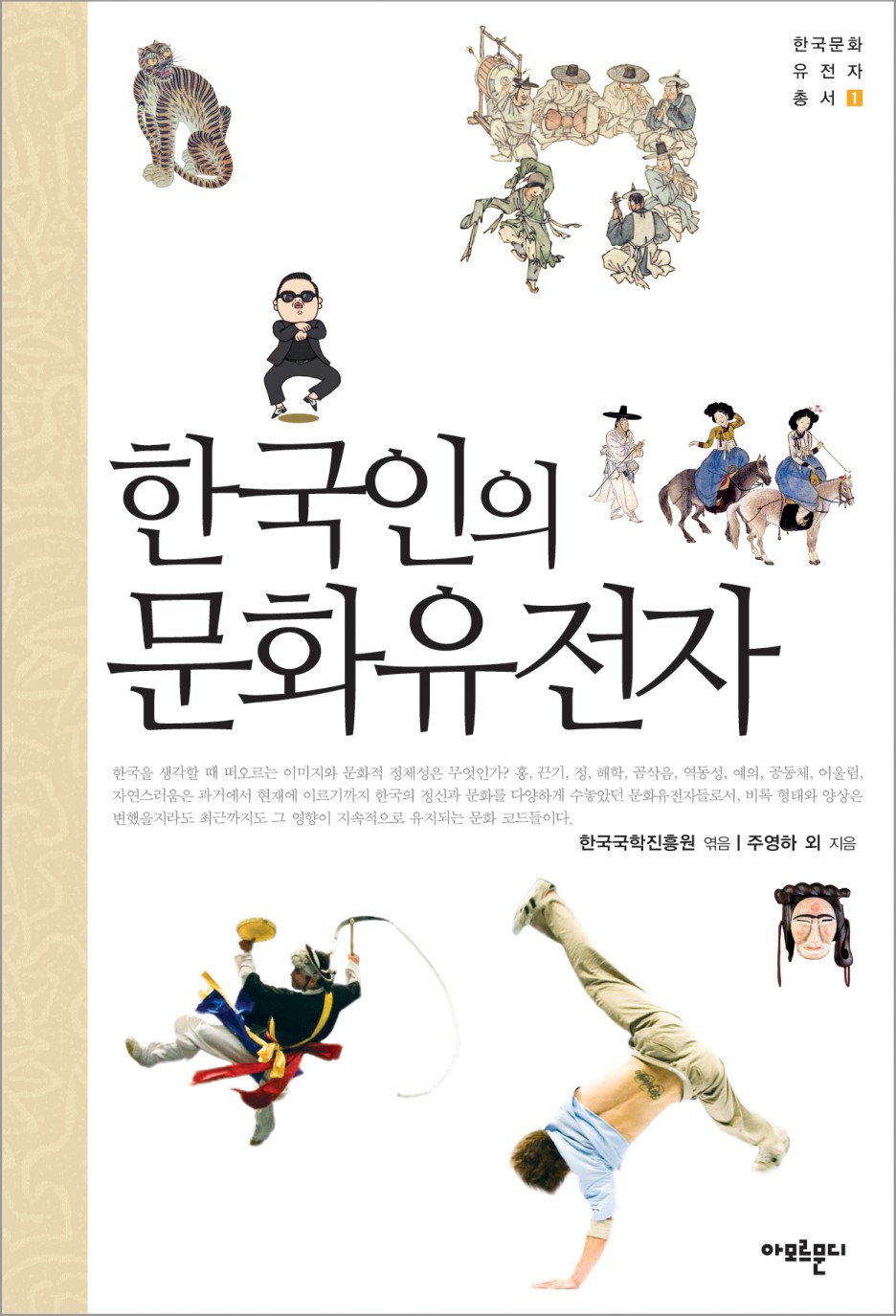
Emanuel has a chapter on “Ritual and Propriety” in the newly released book
“The Cultural DNA of Koreans” (Amore Mundi Publishers; December 2012).
The book features chapters by scholars and artists from various fields about the essential aspects of Korea’s cultural tradition and how they can be integrated into contemporary culture.
In Korean:
이만열은 새로 출간 된 책 한국인의 문화유전자 에서 chapter 있어요
한국인의 문화유전자
(한국문화유전자총서1)
아모르문디 출판사 (2012.12)
“예의”