Marxism for Kids in Seoul

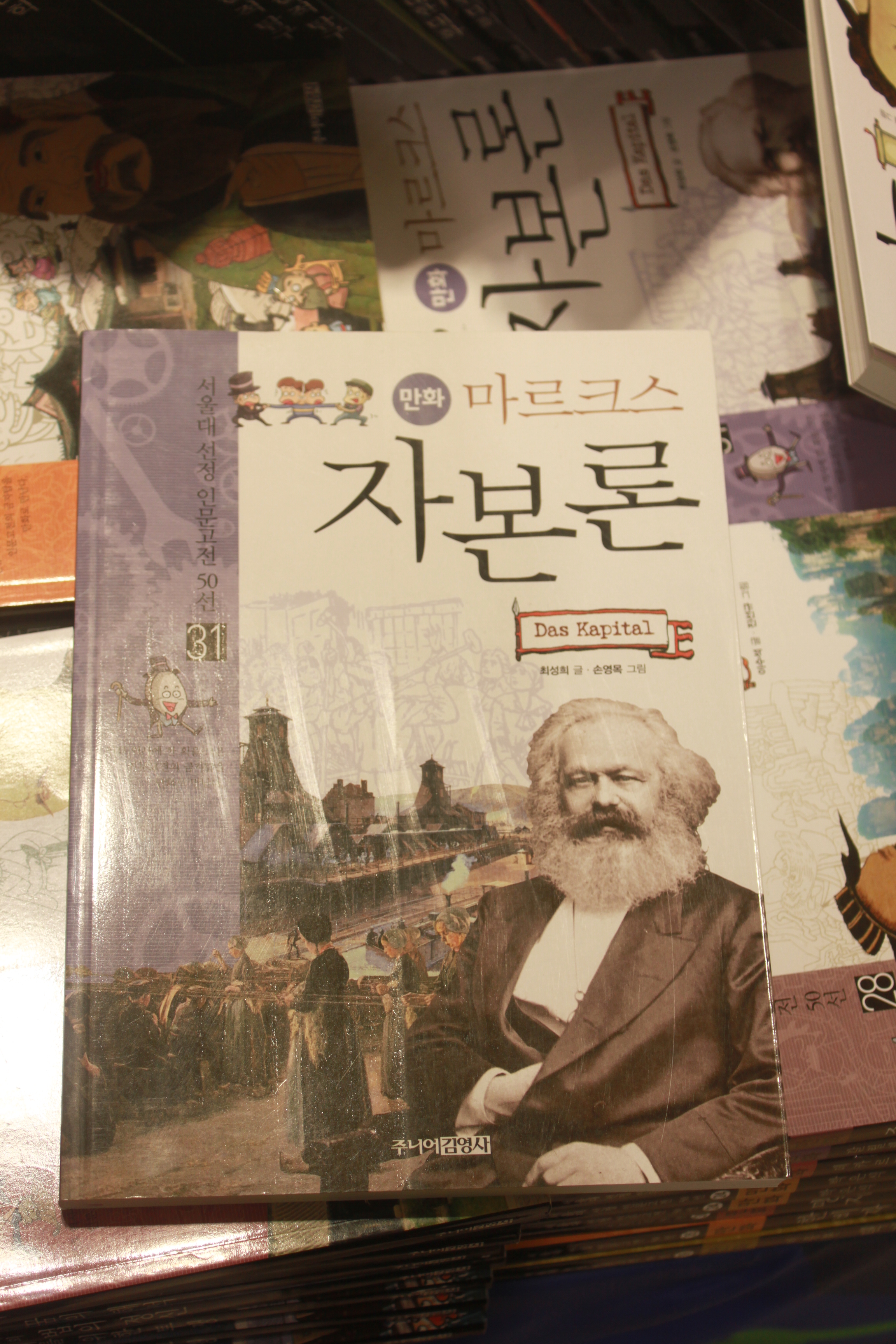
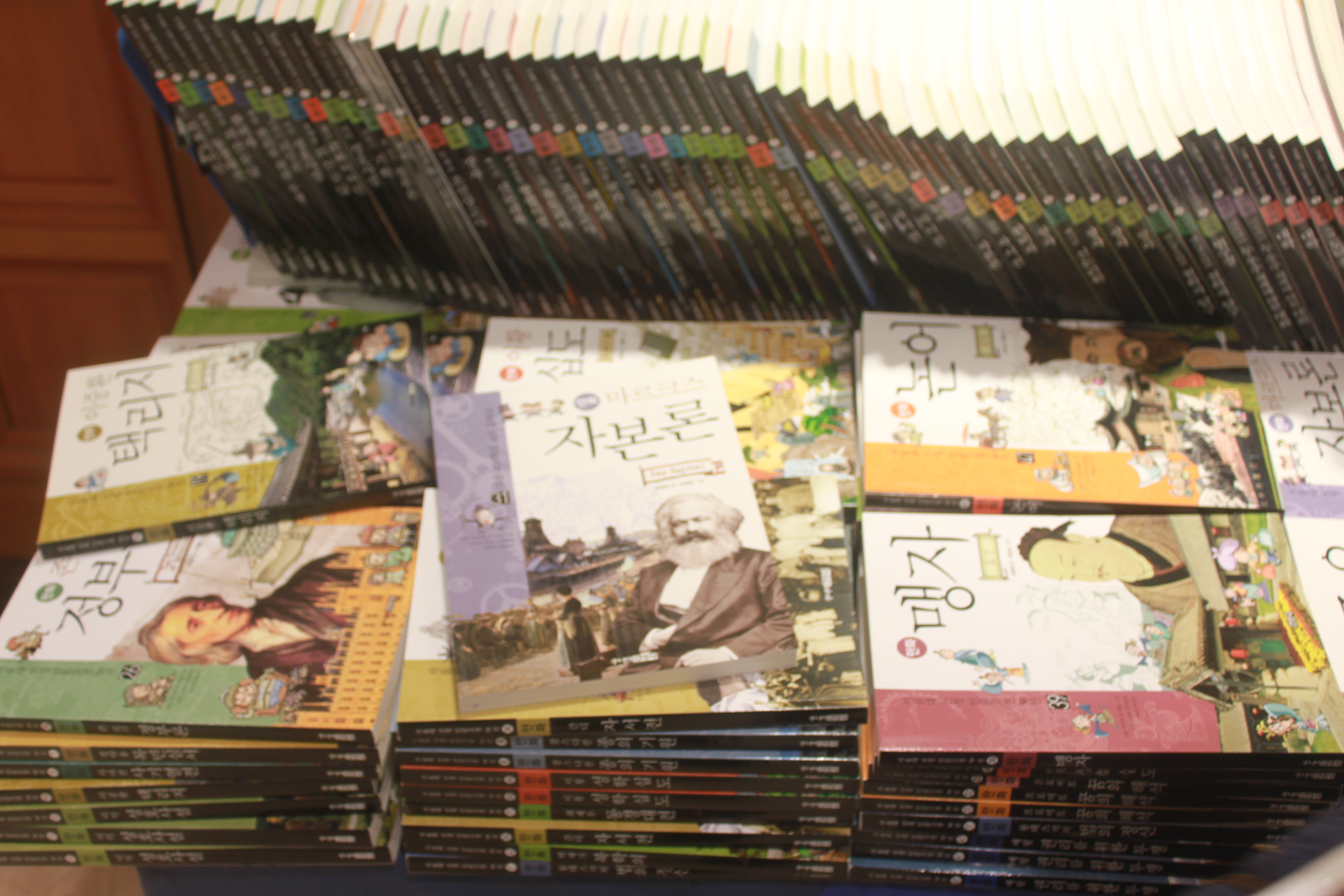
Korea is known for its remarkably well written comic books for kids. Here is a collection of recent comic books on such intellectual topics as “theories of government,” “Confucius,” and “Mencius.” But imagine my surprise when I spotted a cartoon junior version of Karl Marx’s “Das Kapital” mixed in there!

IMG_5647


IMG_5644

Here are basic economic issues in a market economy and their negative implications explained for young readers.

IMG_5646

“PYONGYANG’S SELF-CONFIDENCE IS INCREASING” by Asia Institute’s senior associate Markku Heiskanen

The Asia Institute’s senior associate Markku Heiskanen spoke with Finland’s leading journal Suomen Kuvalehti  about his insights into the current Korean crisis.


“PYONGYANG’S SELF-CONFIDENCE IS INCREASING”

Interview with Markku Heiskanen

Senior Associate

The Asia Institute in Finland’s leading journal

Suomen Kuvalehti

March 15, 2013.


“Sanctions lead nowhere,” says North Korea expert Markku Heiskanen

By Susan Heikkinen

Suomen Kuvalehti

“North Korea abrogated the Armistice Agreement of 1953 with South Korea this time. How serious is this crisis?”

Markku Heiskanen

“The rhetoric North Korea is using is in line with what we have seen already for years and decades. This crisis is not terribly serious at the moment, but there is a difference of degree compared with previous ones. The further North Korea’s nuclear and rocket programs advance, the more self-confidence it will have and the more it will flex its muscles.”


Full text


“The Green Climate Fund in Songdo: Will Korea be the Key Player in a New Global Economy?” Pastreich’s article in the Hankyoreh

The Hankyoreh


The Green Climate Fund in Songdo: Will Korea be the Key Player in a New Global Economy?

Emanuel Pastreich

April 14, 2013

Korea‘s success in luring the Green Climate Fund to Songdo International City confirms its increasing importance in the fields of finance and international relations. The selection of Songdo, an experimental city combining the best of Korean technology, global business acumen and cultural creativity, also hints at the appeal of Korean innovation and the potential to create a financial center in an age within which the economy moves according to different axes.

Interestingly, although Koreans were rightfully proud of this decision, there has been little discussion about the long-term implications of the new-born Green Climate Fund setting up shop in Korea for the nation’s global role.

The Green Climate Fund is just starting, but it is broadly perceived to have the potential to serve an institution that is as critical to the world economy, if not more so, than any other part of the Bretton Woods System.

When the World Bank was established in 1944 for the purpose of alleviating poverty, there was no awareness of the threat of climate change for human civilization, or its profound impact on developing societies. But Green Climate Fund is an institution that takes climate change head on, not just as a small part of its operations as is the case with the World Bank‘s “green bonds.” When this global institution dedicated to funding projects in the developing world for adaptation to ecological challenges and climate change mitigation sets up shop in Songdo over the year, it could become the core of a new green economic cluster. That cluster could formulate global responses to unprecedented climatic threats that go beyond our simplistic assumptions about nation states and economic growth.

Read more

Monumenta Nipponica Review by Peter Flueckiger

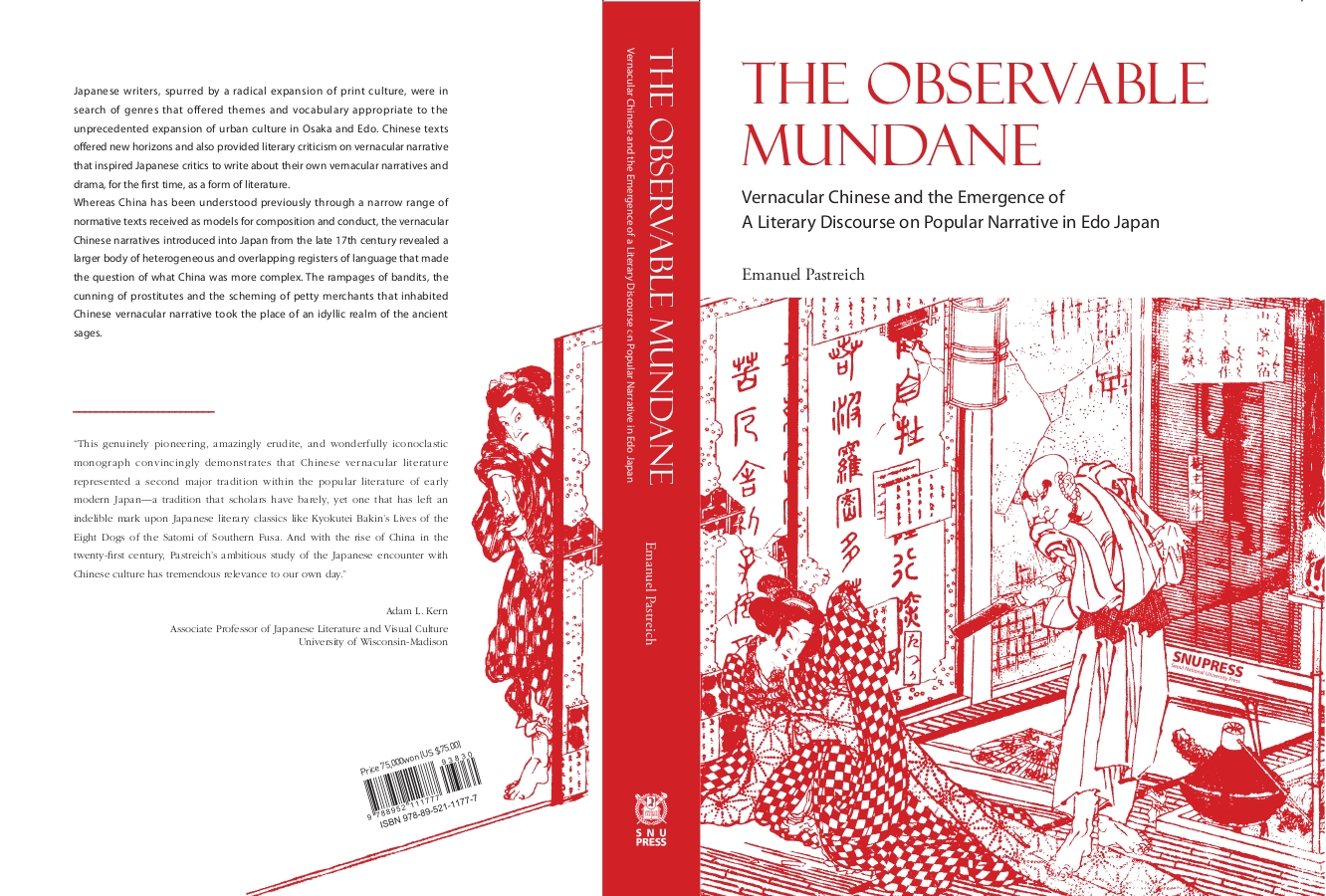
The March 2013 edition of Monumenta Nipponica includes a review of my book The Observable Mundane: Vernacular Chinese and the Emergence f a Literary Discourse on Popular Narrative in Edo Japan (Seoul National University Press) by Peter Flueckiger of Pomona College. I think the review is quite thoughtful and points out the  major problematic in my study of the status of Chinese vernacular narrative within the intellectual discourse of the Edo period.

the observable mundane (1)

MN review of Pastreich’s Visible Mundane Flueckiger

MNTV.NET Seoul starts TV broadcasts in multiple foreign languages:

Seoul Metropolitan Government has launched MNTV.NET, an experimental broadcast system for information about life in Seoul. Although the content is rather limited, the idea is quite novel because of the wide range of languages offered. It appears that the plan is to address not so much foreign tourists, as non-Koreans living in Seoul. That is to

IMG_5370

say, to treat foreigners as citizens of the city. Here are the languages featured in the broadcasts:

Korean

English

Pakistani

Japanese

Chinese

Thai

Mongolian

Sinhala (Sri Lanka)

Vietnamese

Cambodian

Burmese

Uzbek

A mark for Circles and Squares

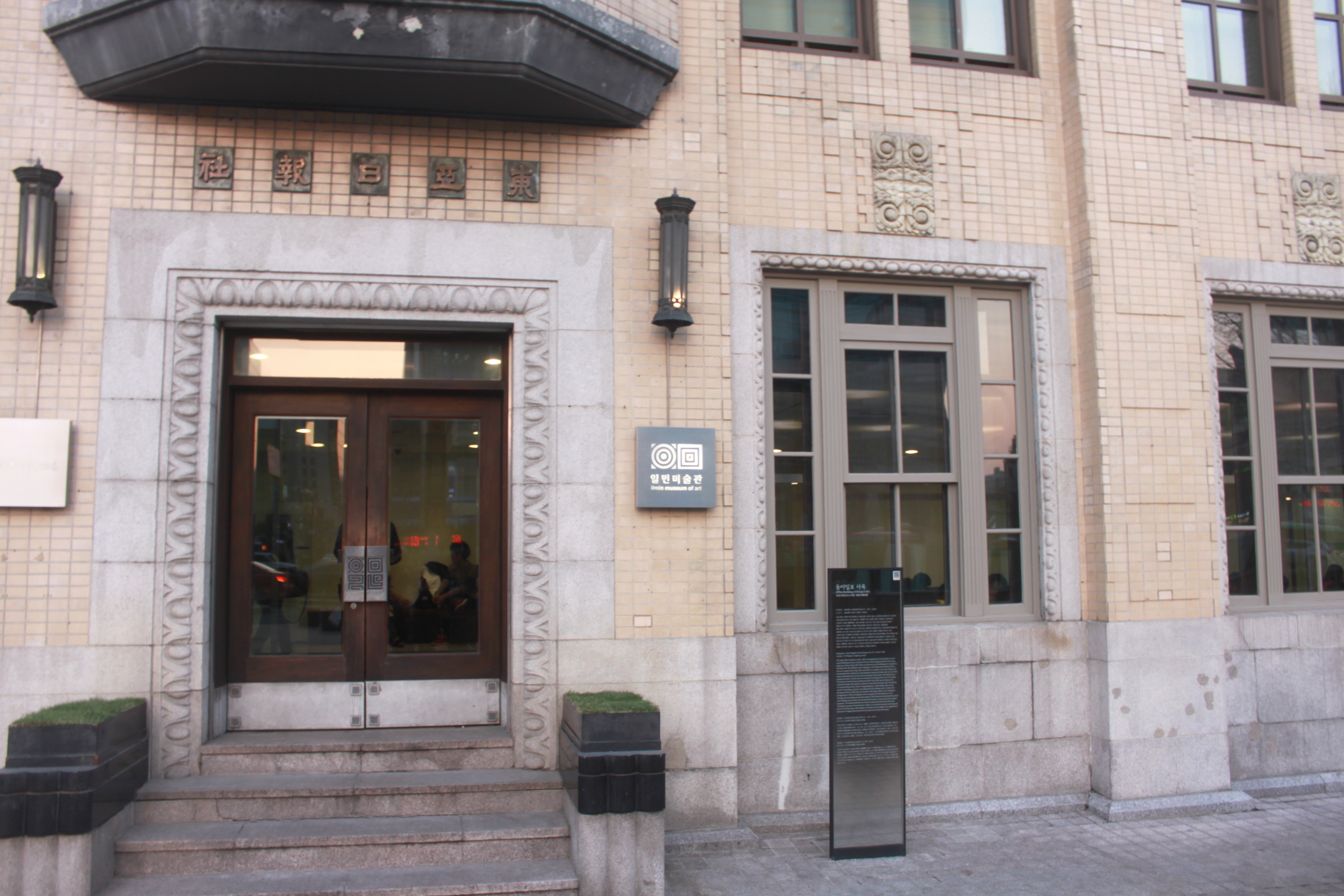
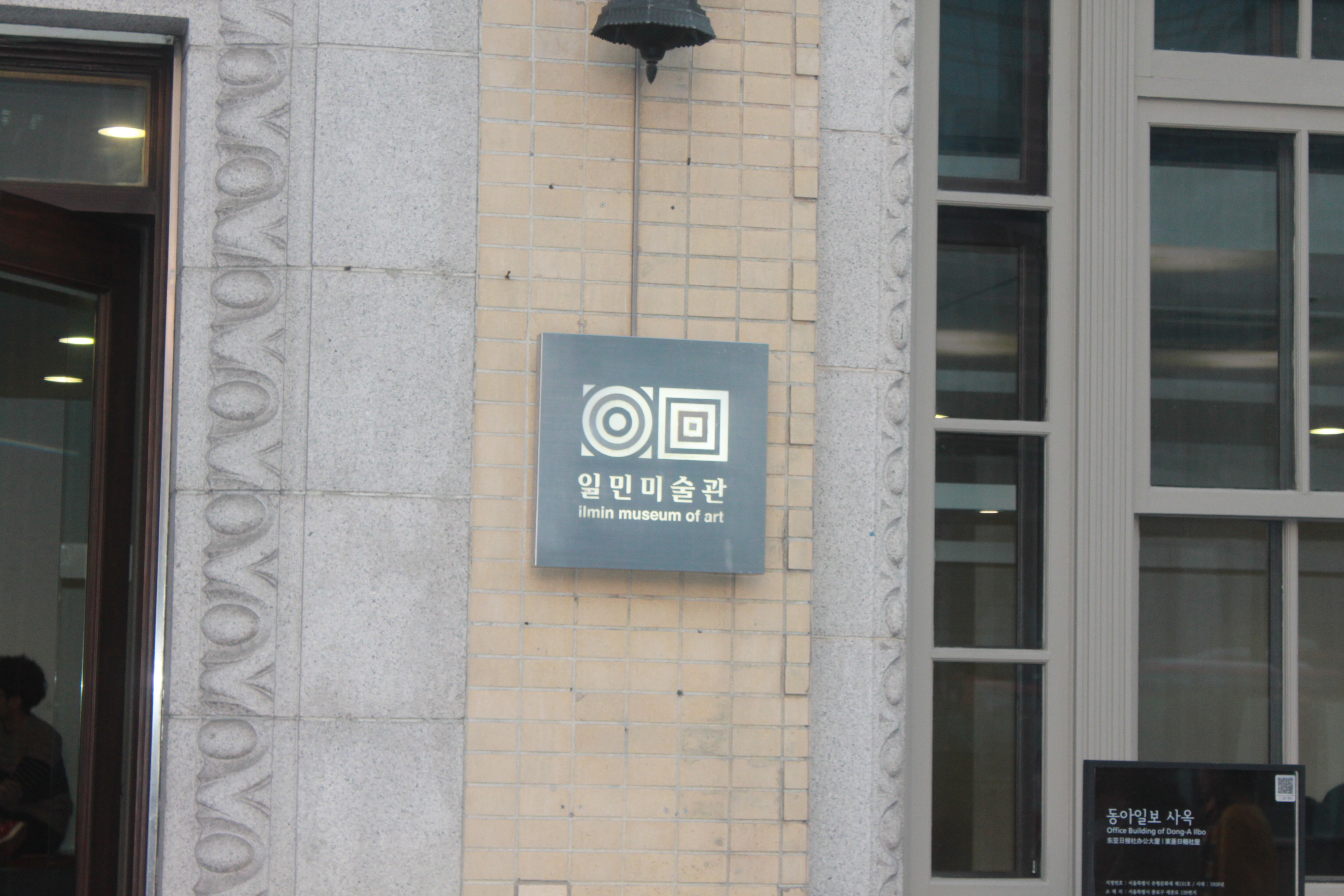
The Ilmin Museum of Art has a logo that perfectly embodies the theme of “circles and squares.”

Circles and Squares in the logo of the Ilmin Museum of Art in Seoul

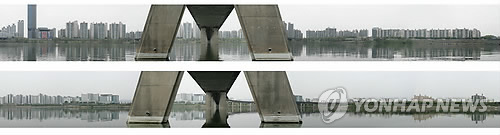
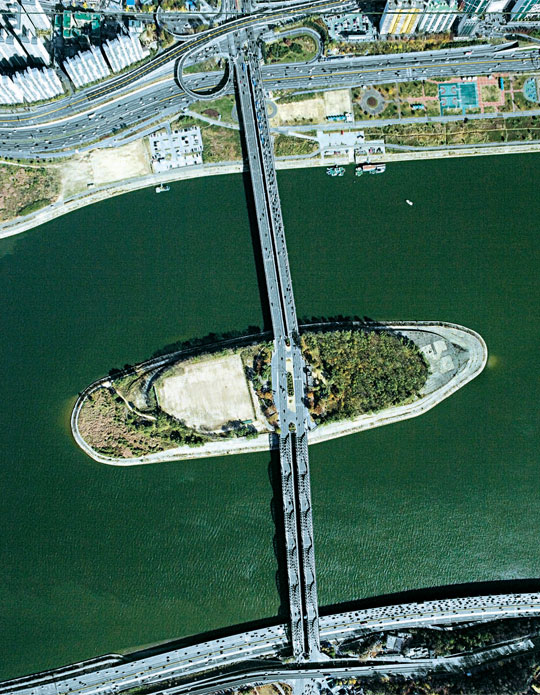
I saw the other day an exhibit of the photographs of Lee Duekyoung, primarily photographs of Seoul–the most striking of which is a running photograph of both banks of the Han River that goes for about 30 meters. Certainly worth a visit.

From Yonhap, copy of part of the series of photographs of Seoul as seen on the North and South sides of the Han river.
One of many aerial photographs in the exhibit.

2013 GCF YOUTH CLIMATE SUMMIT for High School Students

2013 GCF YOUTH CLIMATE SUMMIT

July 12-14, 2013

Songdo Global Campus

Songdo International City, Korea


. Introduction

The historic decision to locate the Green Climate Fund in Songdo International City in the Republic of Korea presents a remarkable opportunity to discuss the significance of significance of this commitment on the part of the international community to address environmental issues. The Asia Institute and HOBY (Hugh O’Brian Youth Leadership) Korea present an unprecedented youth climate summit that brings together the most capable and passionate high school students to debate thoughtfully the future of the environment, the significance of the Green Climate Fund and the role that youth can play, starting today, to address climate issues. The 2013 GCF Youth Climate Summit brings two Harvard Professors together with Professors from Seoul National University and Kyung Hee University for a challenging and inspiring set of exercises, lectures and debates about climate issues and the role of youth that will inspire and prepare the next generation.


The GCF Youth Climate Summit consists of the following activities:


1. Lectures

Invited lectures by outstanding experts on environmental and policy issues, culture and climate, leadership, personal development, and inspirational volunteerism that provide students with an extraordinary opportunity for direct interaction.


2. Leadership Dynamics

A series of activities, simulations and games designed to forge close relations between students and encourage leadership skills among participants.


3. Responding to Real Issues

The symposium demands that participating youth wrestle with actual issues and current policy challenges, working closely together with each other and representatives from international NGOs and the United Nations Environment Programme.


4. Additional activities

Youth will have the unique opportunity to engage in intense group discussions with other outstanding young people from around the world and to compete through presentations and other applied exercises.


. Speakers


Confirmed Speakers:


● Marc Shell, Professor of Literature, Harvard University & Associate of Harvard Center for the Environment

● Michael Puett, Professor of Chinese History, Harvard University

● Johannes Maximilian Tschapka, Professor of Geography Education, Seoul National University

● Emanuel Pastreich, Director of the Asia Institute & Professor of International Studies, Kyung Hee University


For more see click here at the Asia Institute
A Revolution in Seoul! The Return of the Fortress Wall

For the last sixty years, Seoul has been trying to forget its past and establish a new image, both at home and abroad, as a truly international city. Those bits of old Seoul, whether the palaces or old hanok houses, strike the observer as incongruous traces of a completely different world that somehow avoided the wreckers ball. Moreover, a key aspect of Seoul’s project for modernization has been the integration of the northern and southern banks of the Hangang River into one modern global city connected by freeways. It seems that the old streets crowded with grocery stores and dry goods had to be completely replaced with large-scale towers of glass and steel. That part is not uniquely Korean–it is the plague that swept the United States in the 1970s and only started to be turned around with the demolition of Penn Station in New York City.

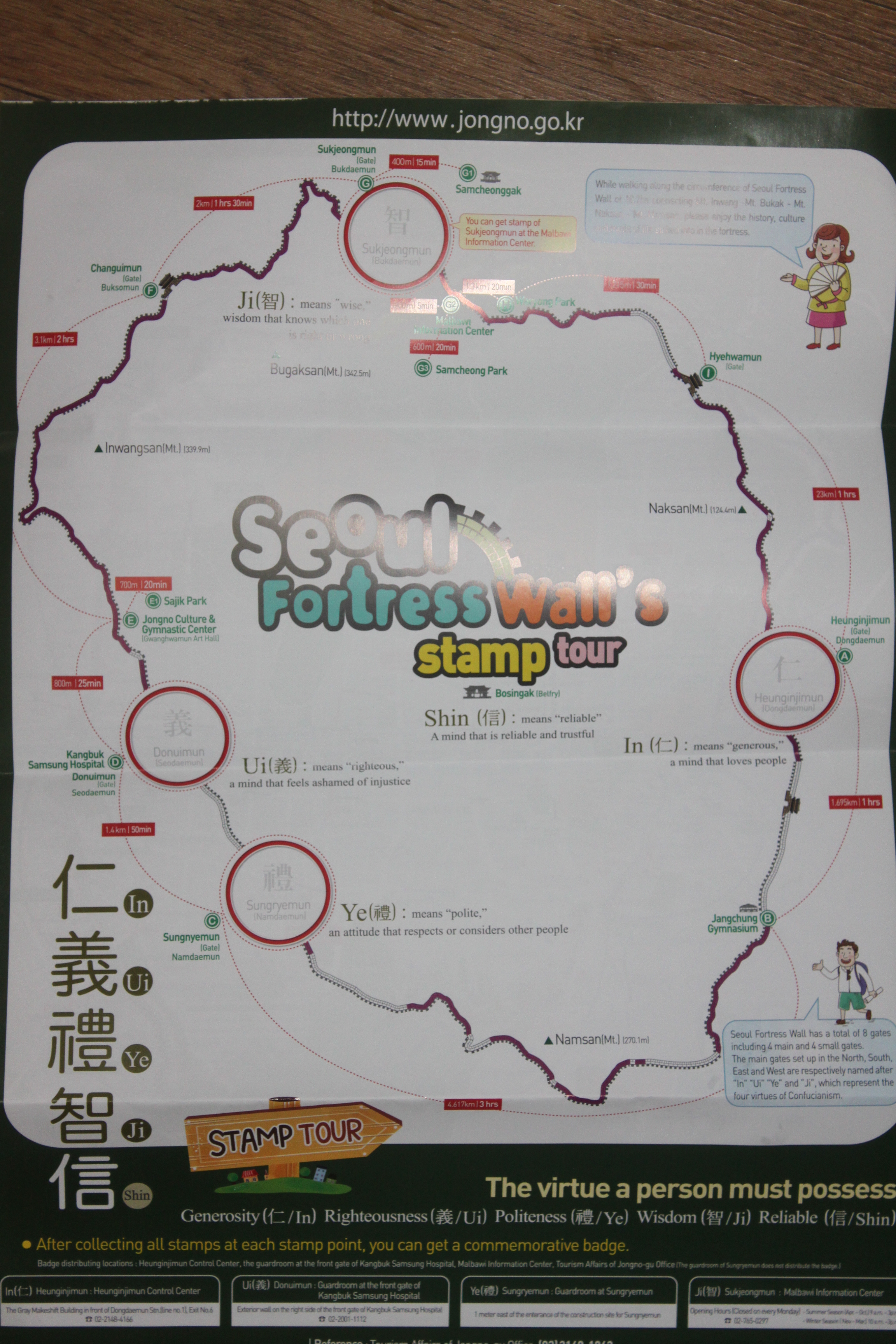
But now a new image for the northern bank of the Han River is emerging and becoming very powerful. The new vision focuses on the fortress wall that has survived in part around old Seoul The new posters, such as this one below, make the fortress wall a defining element for Seoul and go so far as to sketch in the parts that have been razed.

The city of Seoul has put together a very impressive walking tour based around the fortress wall for tourists (and residents). I am delighted as someone who has often walked around the city wall and found it quite beautiful.

The second poster offers stamps for a cultural passport for those who visit each of four designated city gates in the fortress wall. In good Zhu Xi style, each wall is associated with a virtue–as the poster explains.

Even three years ago it would have been hard to imagine the city of Seoul making the fortress wall so central to its own

Read more

Avatar Culture in Korea

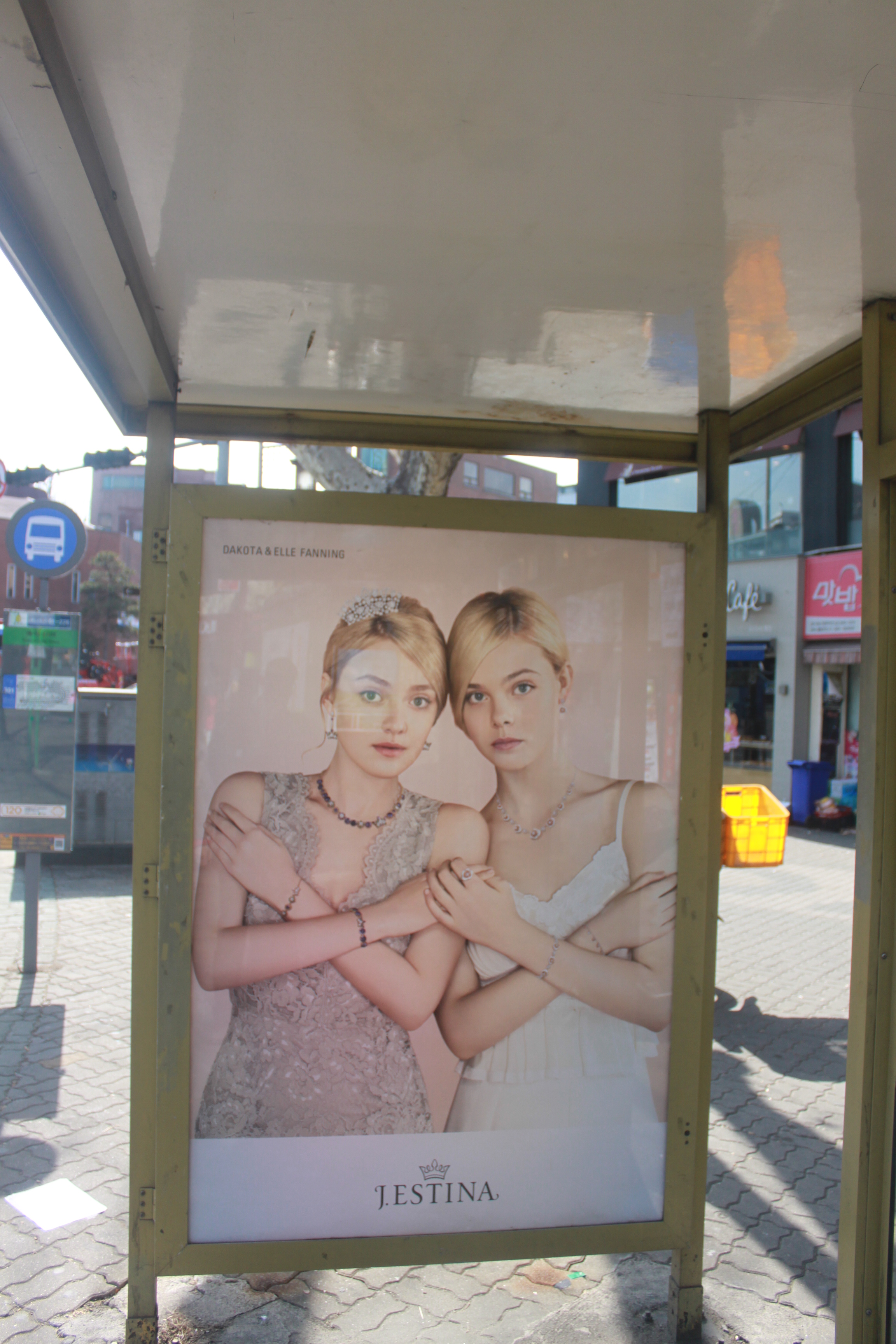
Korea is swept by avatar culture: a tendency to define one’s identity in terms of virtual representations. Avatar culture is one of the driving forces behind plastic surgery, by the way, since avatar representations of the human body put immense pressure on the individual to conform–often to an entirely unrealistic, or fantastic, model.

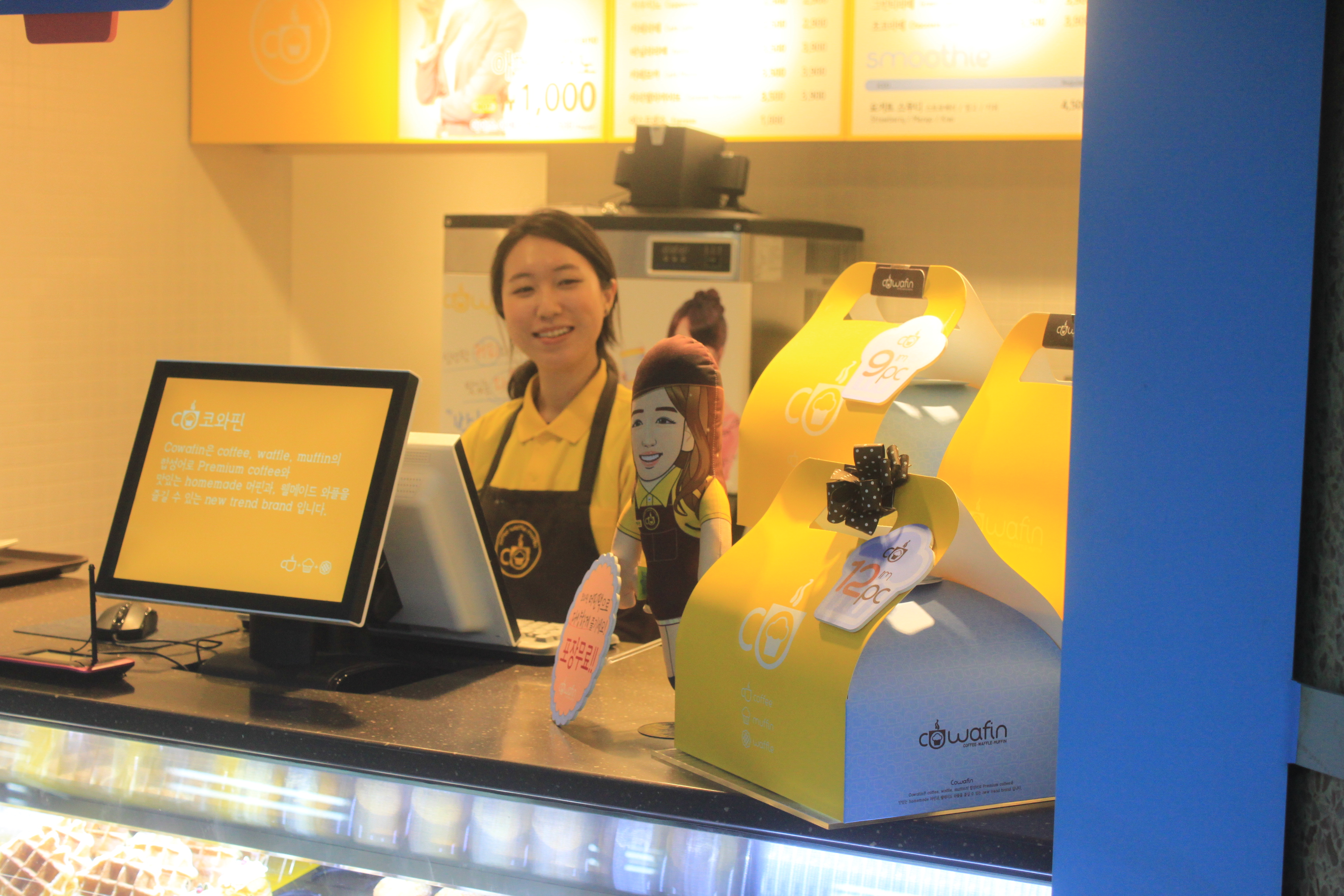
This photograph represents quite accurately the broad impact of avatar culture in daily life.

IMG_5316

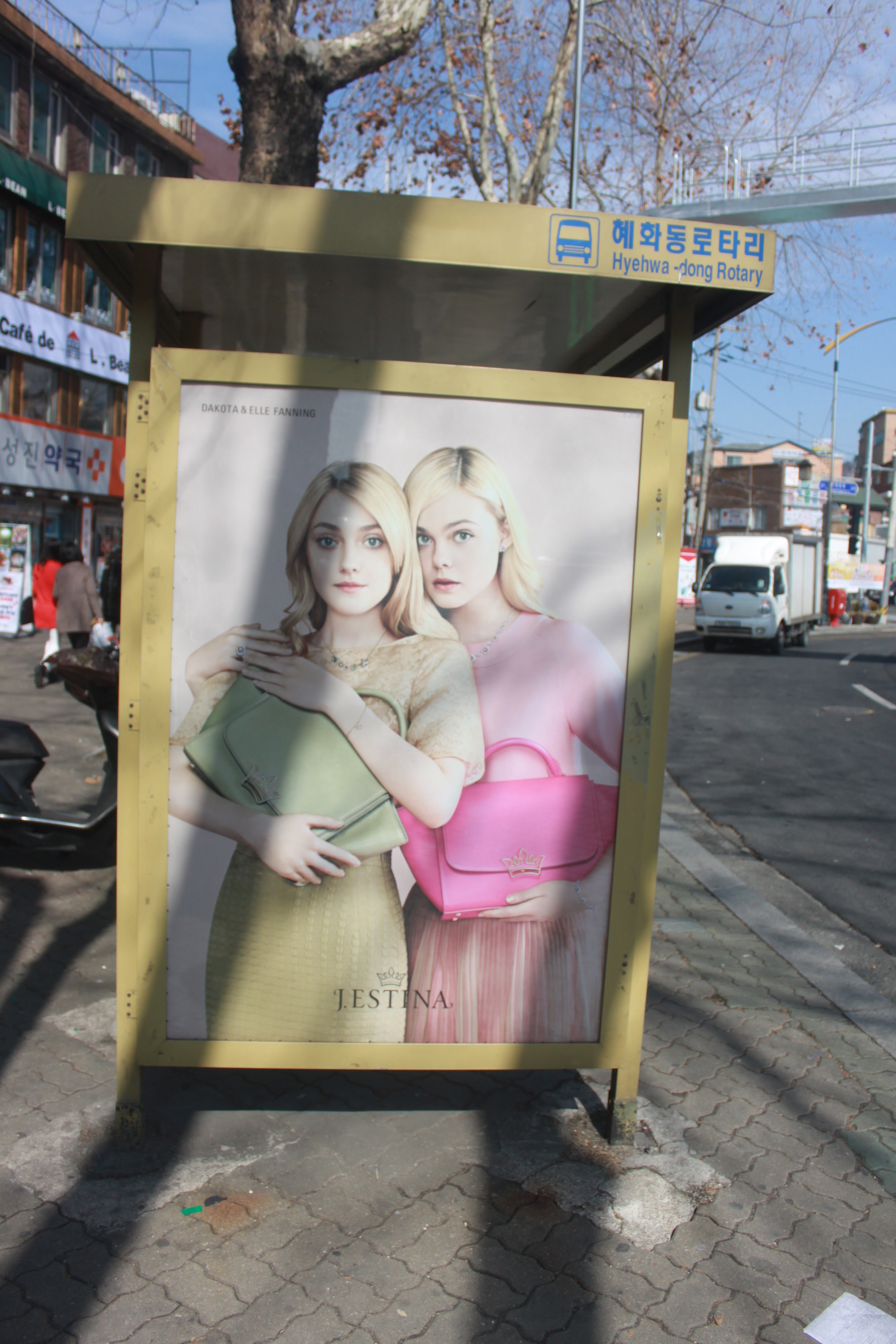
Here are a few more avatar-like commercial images from downtown Seoul. Imagine the impact they have on young women who see them every day.

IMG_5270IMG_5272