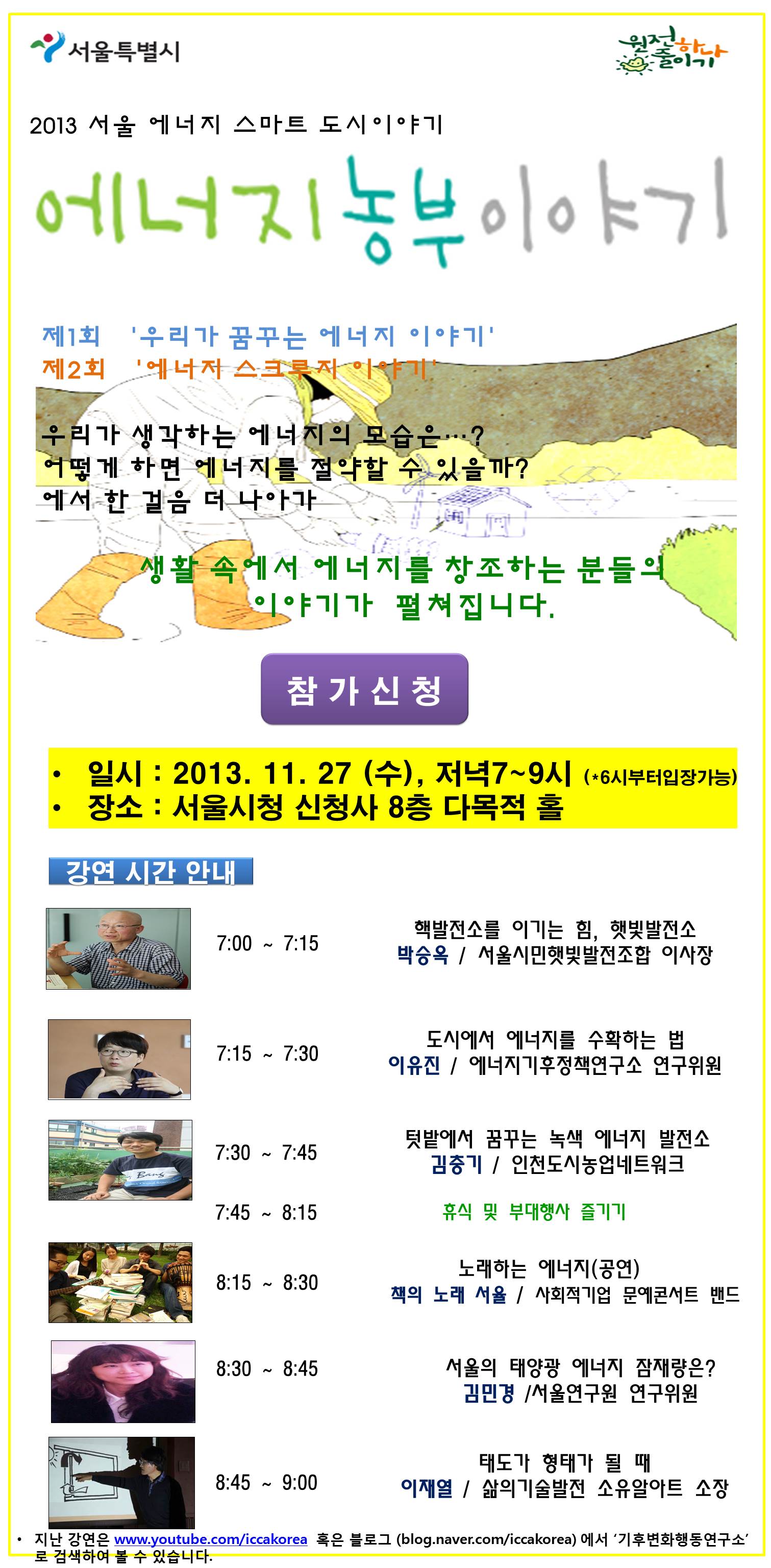
“Tale of Energy Farming” Seminar for citizens on November 27 sponsored by Seoul Metropolitan City as part of the “Tale of an Energy Smart City” series at City Hall. This event features short discussions taht are extremely practical about solar energy and its potential, about “harvesting energy” in the city and the issue of climate change and about green energy. The speakers come from a variety of local NGOs and represent well Mayor Park’s vision.
Today in Korea
The Hanok Village Development in Eunpyeong
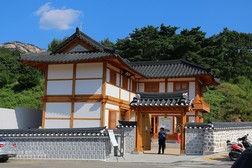
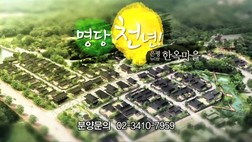
I was struck by an advertisement I saw today in the Seoul Metro for the first sales of houses employing a traditional hanok design at the Eunpyeong Hanok Village just north of Seoul, near Bulgwang Station.
Koreans have shunned the use of Hanok design in modern housing for the last seventy years. So this development is a remarkable one indeed.
I wonder how far Koreans will go in embracing traditional architectural motifs in a modern housing developments. I
We look forward to further such developments.
- Model house at the Hanok Village

The Asia Institute and Kyung Hee Cyber University: “Korea’s Potential: Perspectives on Culture, Economics and Technology in this Century” (November 22, 2013)
“Korea’s Potential:
Perspectives on Culture, Economics and Technology in this Century”
Date: November 22, 2013
Time: 6:30 PM – 8:00 PM
Location: Kyung Hee University
This panel brings together three intellectuals deeply involved in the future of East Asia who approach Korea and its relations with China, Japan and the United States from the perspectives of academics, media and government. The three will discuss the true nature of Korea’s potential to play a critical role in global affairs in our age. What exactly is the Korean Wave and what greater impact can Korea have in the region and the world going forward? Please join us for a remarkable discussion.
Date: November 22, 2013
Time: 6:30 PM – 8:00 PM
Location: Kyung Hee University
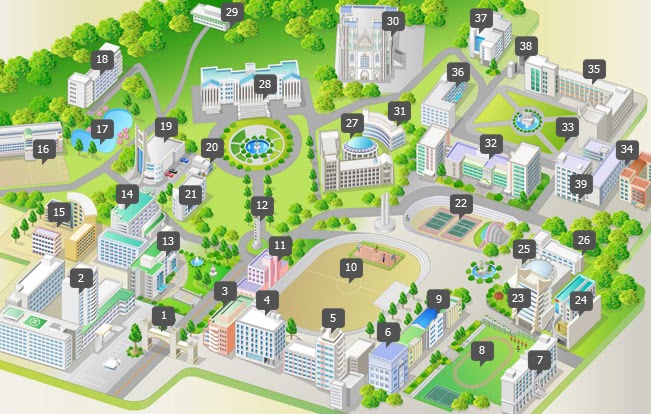
Room B-105 of College of Human Ecology (Hoegi Campus)
(Building #21 on the map 생활과학대학)
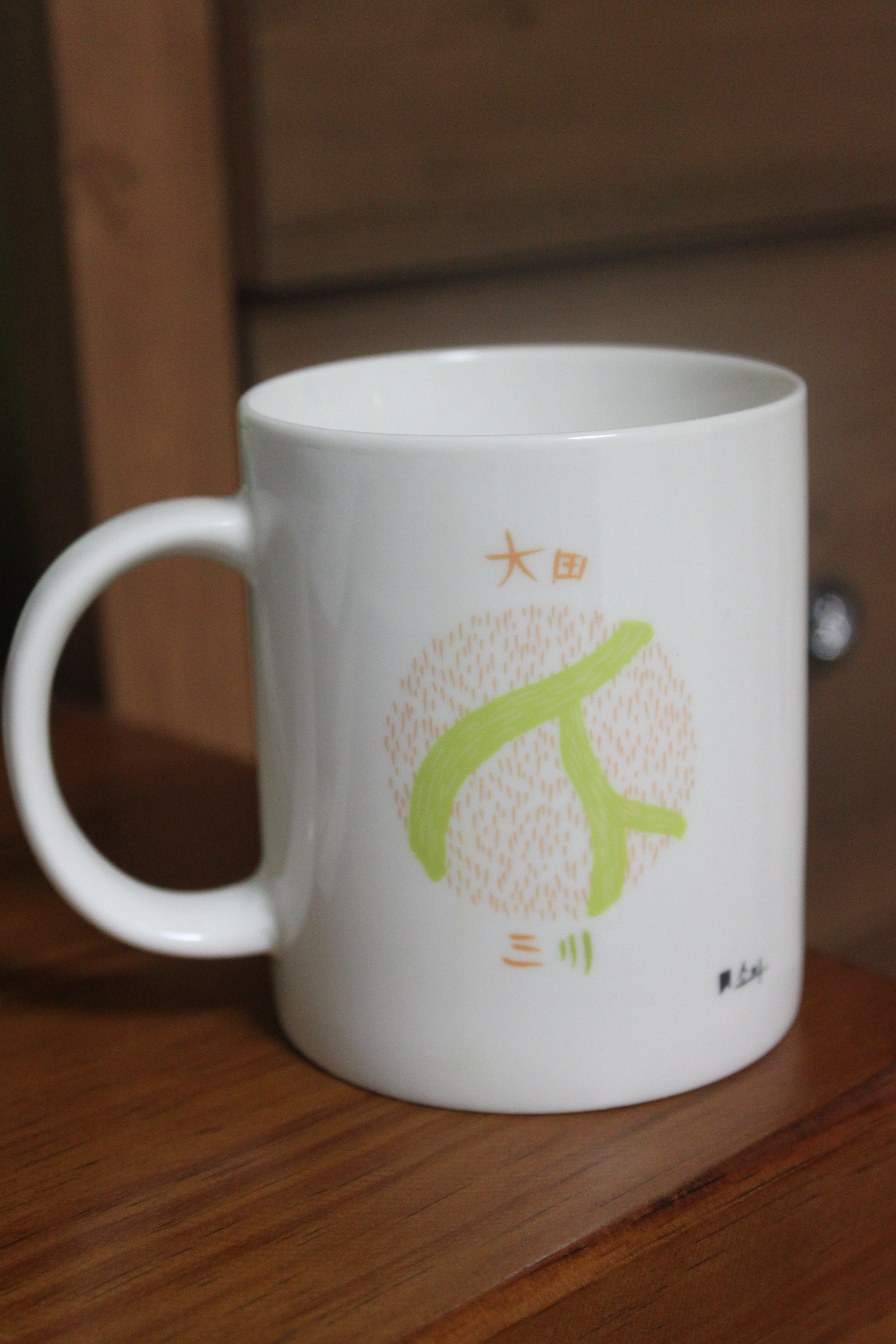
The “Daejeon: Three Rivers” Mug Cup
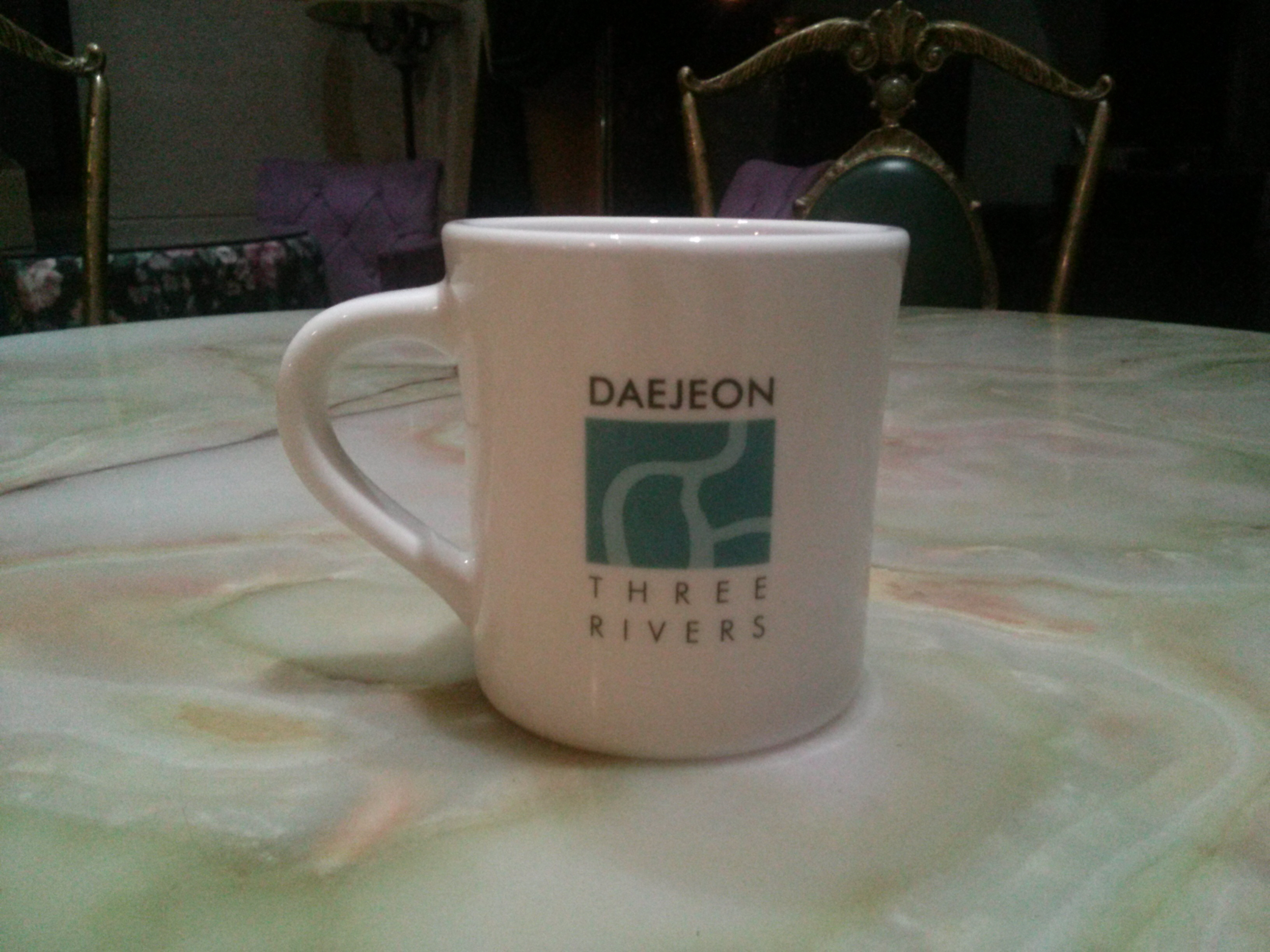
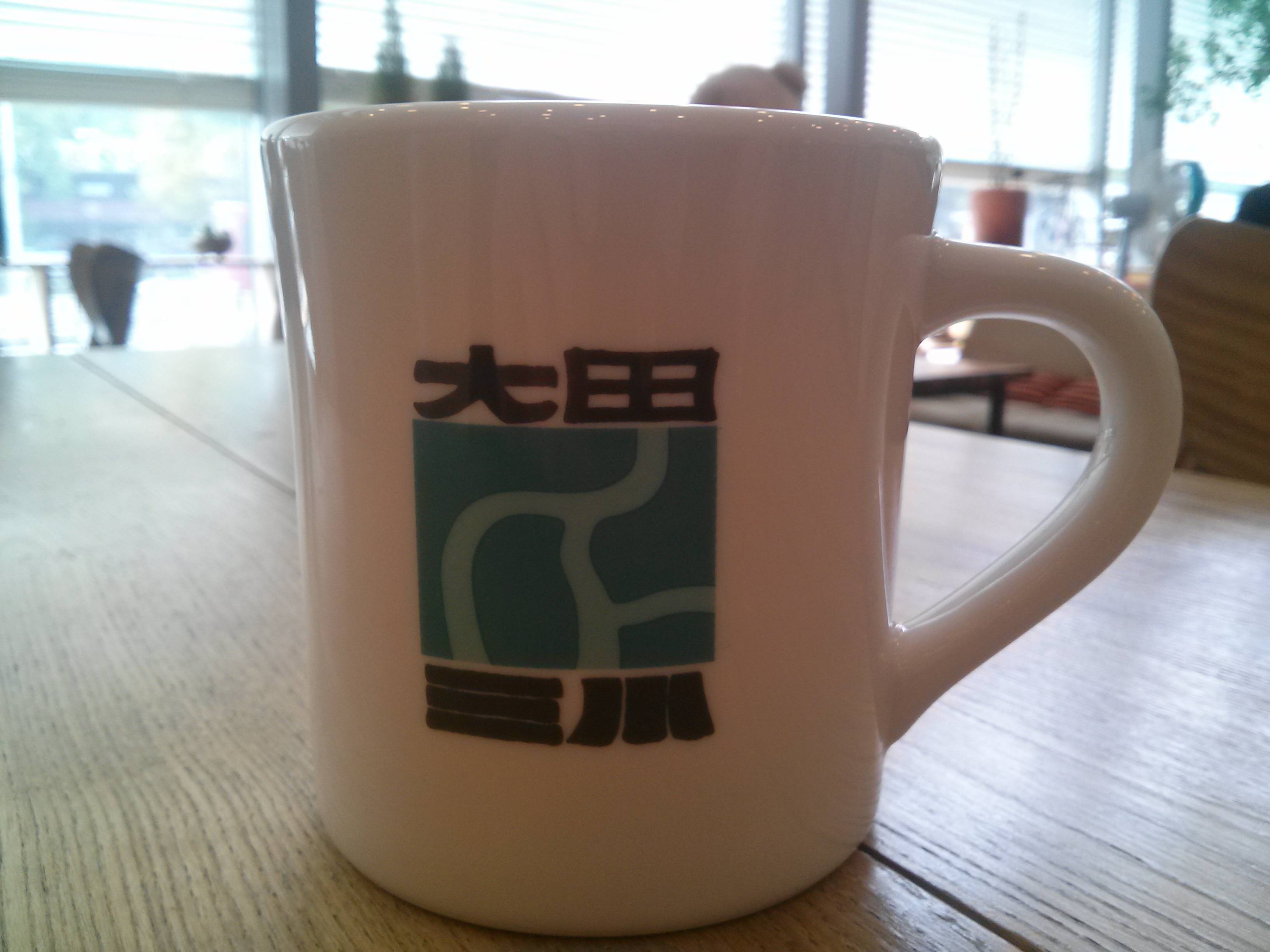
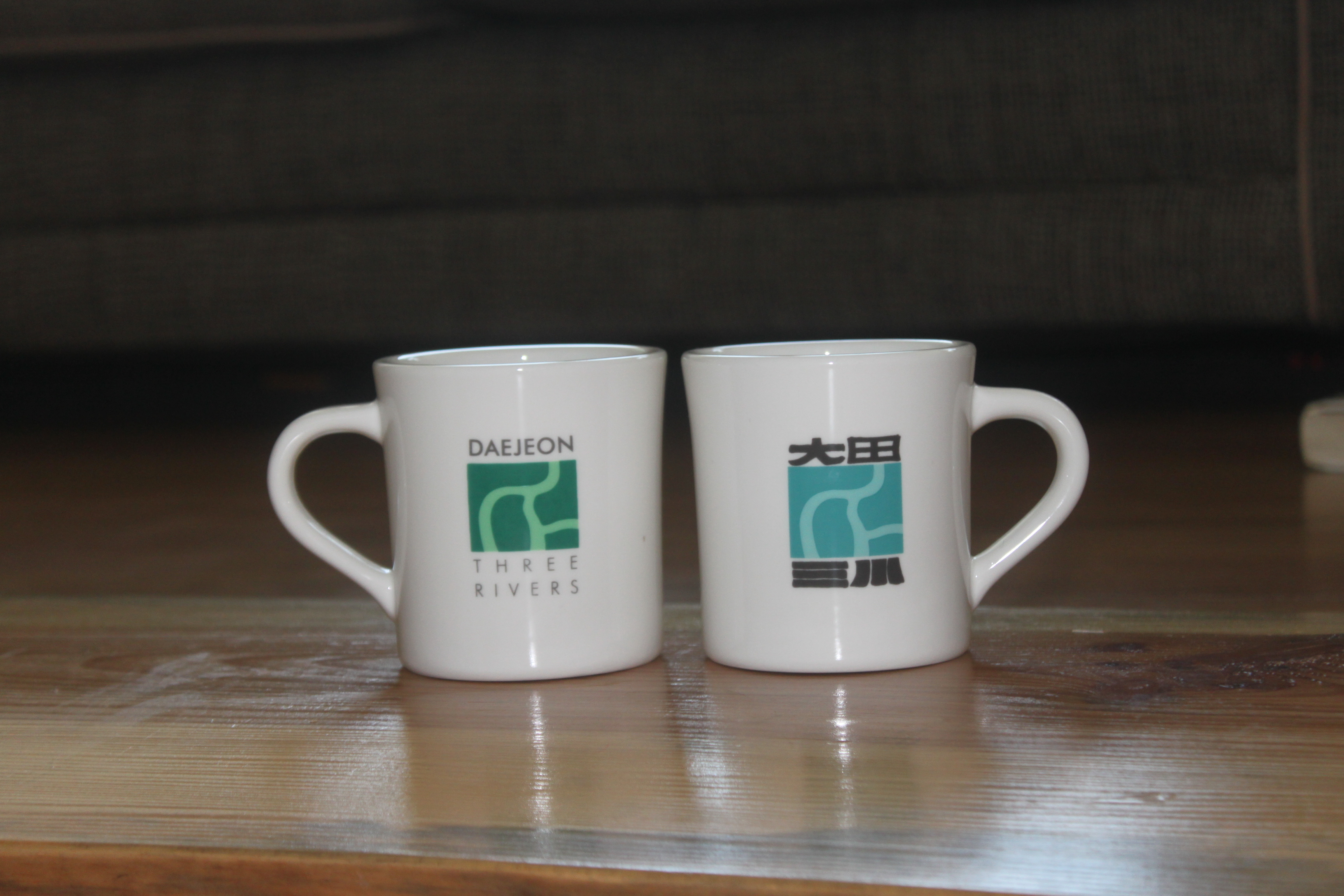
The Asia Institute launches the “Daejeon Three Rivers” mug cup in honor of the remarkable city of Daejeon. Surrounded by mountains and defined by three beautiful rivers, the Gapcheon River, the Yudeungcheon River and the Daejeoncheon River, Daejeon is perfectly represented by its ecosystem in these attractive mugs. Produced by the Asia Institute in recognition of Daejeon’s beauty and history, the mugs make perfect Christmas presents as the only commemorative goods for the city Daejeon available anywhere.
The mug cups are of the highest quality.
PLEASE ORDER TODAY!!!!
Prices:
Set of 4: |
40,000 Won |
Set of 20: |
190,000 Won |
Individual cup |
12,000 Won |
As our director Park Kyungho must prepare and often deliver the mug cups, we ask that you order a set of 4 or a set of 20.
For orders, please contact
Park Kyungho 박경호 국장
External Director
The Asia Institute
Cell: 010 2825-1908
Email: pkjuls@daum.net
Multicultural Day in Seoul and Help for Non-Korean Workers
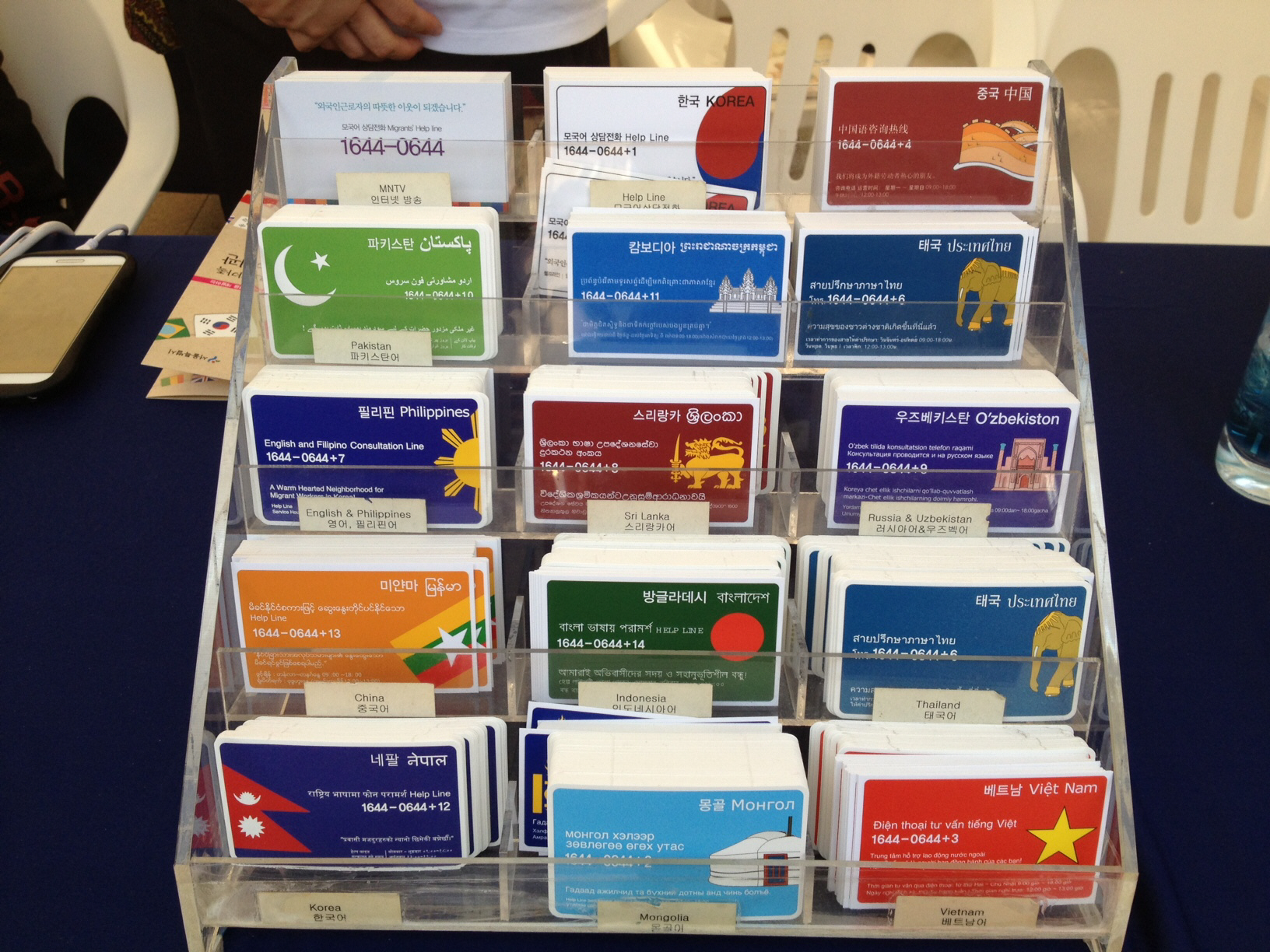
I am more and more impressed with Seoul every day. There was an enormous “Multicultural Festival” in the plaza in front of Seoul City Hall dedicated to making Seoul a more open and tolerant place for people from around the world. In the middle of that exhibition I came across this table. These cards, in fifteen different languages, have a number that workers who do not speak Korean can call to get advice and legal help concerning their status in Korea and possible problems they may have with their employers regarding wages or other issues. Although I cannot say how effective the services are, never having called, the very concept and the effort are quite inspiring and suggest a new facet of contemporary Korea.
“일본 원전 사고 복구작업은 세계 각국 첨단기술이 융합될 장을 마련해준다” ( 뉴수위크)
뉴수위크
2013년 9월 16일
“일본 원전 사고 복구작업은 세계 각국 첨단기술이 융합될 장을 마련해준다”
EMANUEL PASTREICH 임마누엘 페스트라이쉬
지진과 쓰나미가 일본 후쿠시마의 원자력 발전소를 파괴한지 2년도 넘는 시간이 흘렀다. 후쿠시마 원전 사고는 아시아태평양 지역의 공공보건에 가장 심각한 위협 중 하나다. 역사상 가장 심각한 방사능 유출 사고로 기록될 가능성이 크다. 후쿠시마 제1원전에서는 아직도 방사능이 흘러나와 지하수로 스며들고 있어 태평양 전체를 오염시킬 위험도 있다.
최근 도쿄전력은 방사선이 지하수와 해수로 흘러들어가는 것을 막을 기술이 부족하다고 밝히며 일본 정부에 지원을 요청했다. 이 위기를 극복하려면 수십년에 걸친 국제사회의 협력이 필요하다는 사실은 명백하다. 그럼에도 일본은 그런 협력체계를 구축하는 일을 시작조차 하지 않은 상태다.
후쿠시마 원전 사고 해결은 1960년대 우주 경쟁에 비견될 수 있다. 그 시기에는 인류를 달에 보내기 위해 각국에서 첨단기술의 향연이 펼쳐졌다. 이에는 물론 장기간에 걸친 연구가 필요했다. 이번 후쿠시마 사고 복구작업에서는 그런 노력이 국제적으로 이뤄져야 한다. 수많은 사람의 생명이 달린 문제이기 때문이다. 후쿠시마 사태는 핵 비확산, 테러리즘, 경제위기 못지 않은 관심을 받아 마땅한 주제다.
이 문제 해결을 위해선 한국, 미국, 중국, 일본과 그밖의 국가들에서 가장 뛰어난 인재들이 모여 장기적인 계획을 마련해야 한다. 공학, 생물학, 농업학, 철학, 역사, 도시 디자인 등 다양한 분야의 전문가가 필요하다. 이들은 지역사회 재건, 주민 재정착, 방사선 유출 제어, 오염된 토양과 물 정화 등 다양한 층위에서 협력을 펼칠 것이다.
후쿠시마 사고는 인류의 큰 재앙이지만, 동시에 불의의 사고에 맞닥뜨렸을 때 가동할 수 있는 국제 네트워크를 구축할 기회를 제공했다. 이번 노력에서 마련한 돌파구는 페르시아만의 석유 제거나 기후 변화 같은 다른 장기 프로젝트에도 활용될 수 있다.
한국은 후쿠시마 위기에 적극 대응해 세부 계획을 세우고 세계 각국 정부, 연구단, 사업체
Emanuel talks about his book “A Different Republic of Korea” at the Seoul Book Forum
Emanuel spoke with an audience of book lovers at the Seoul Book Forum (September 11, 2013) about his book “A Different Korea” and engaged in a long discussion about the value of Korean traditional culture. The four members of the discussion group wore the traditional Korean hats of teacher and students.
The entire event is available at
http://www.ustream.tv/channel/bookforum
In addition, a collection of short reviews of the book are available at
http://book.naver.com/bookdb/review.nhn?bid=7289605
“Revive ‘Green Growth’ Movement” (JoongAng Daily)
Korea Joongang Daily
August 8, 2013
“Revive ‘Green Growth’ Movement”
Koreans dream of a day in the future when they will be leaders – when Koreans will set trends for the world and hobnob with the rich and powerful. But the truth of the matter is that Korea is already a leader for the world, a country frequently benchmarked by the developing world, and increasingly the developed world as well, for its outstanding infrastructure, advanced research facilities and excellent governance.
Korea has gained such popularity as a model for the developing world in part because of the Korean Wave and Korea’s remarkable cultural vitality. But the more important factor is Korea’s unique position as a nation situated between the developed and the developing world.
The infrastructure, city planning or business conventions of Bonn or Chicago are not all that useful in Mongolia or Indonesia because the habits of those cities are so different and their development was long in the past. But the practices of Korea are immediately accessible and infinitely applicable. Because Korea is not that far away from its developmental economic phase, what is practiced in Seoul can be readily transferred to emerging economies. That goes for manufacturing and for urban planning and telecommunications.
Textbook on ethics used in Korea
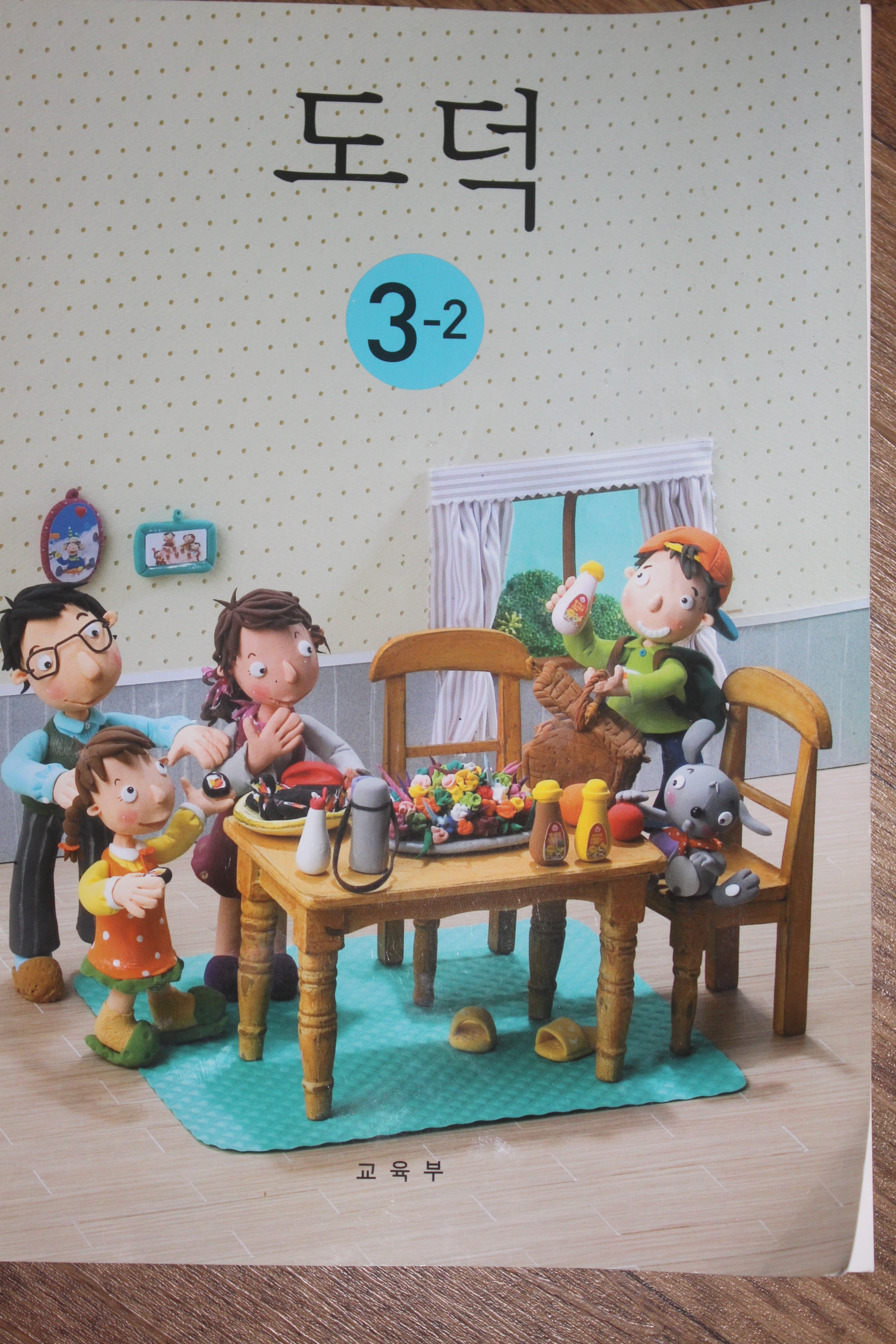
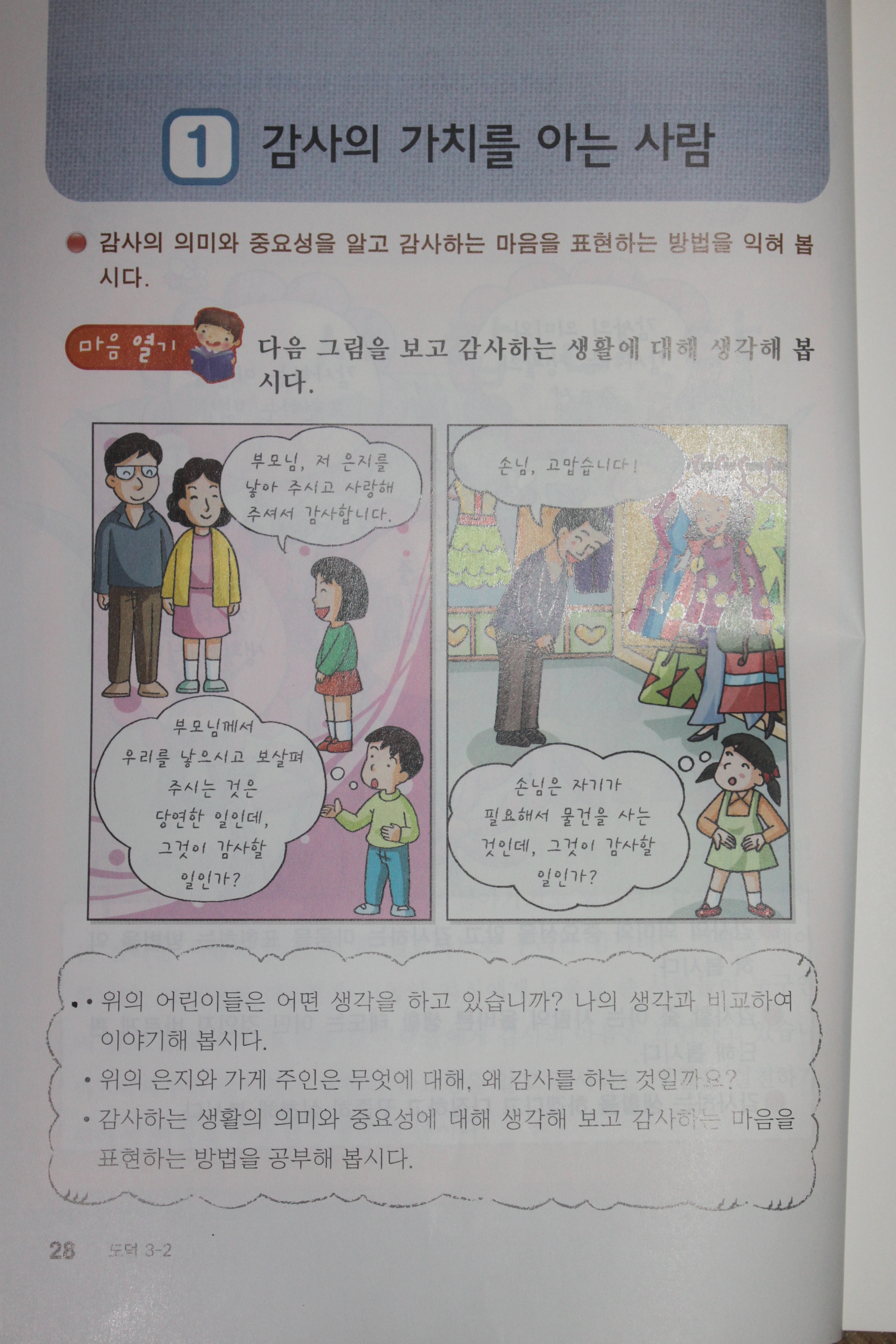
This is the textbook on ethics “도덕” employed in elementary schools in Korea today. The very existence of such a class as part of the daily program is remarkable. Whereas such teaching of ethics once seemed rather old-fashioned, it has a certain appeal today granted the decline of efforts to promote a discussion on ethics in the classroom in the United States.

I was also struck by the efforts to address multicultural issues and the children of “multicultural families” (as the phrase goes in Korean).
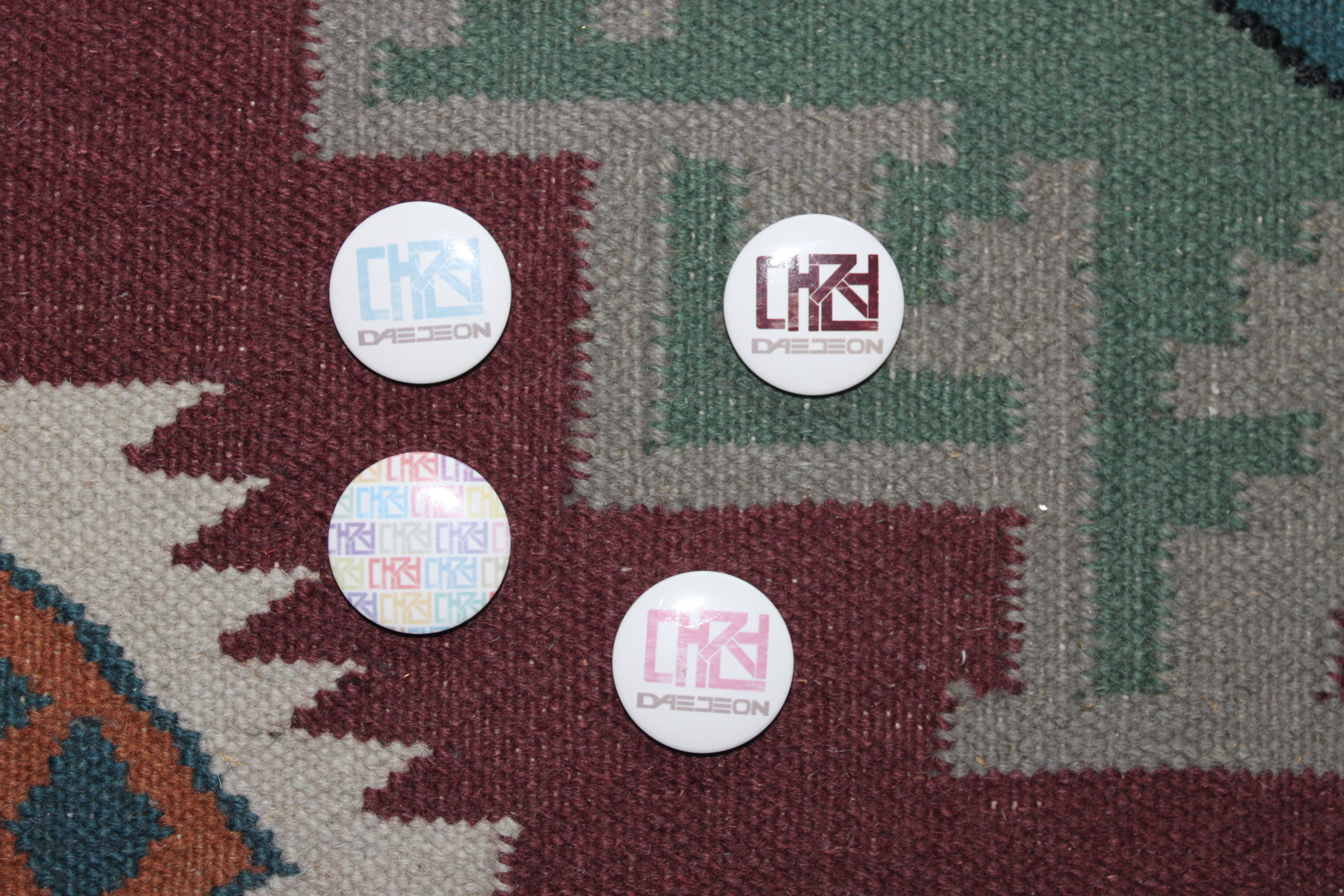
Daejeon items
I designed and produced a variety of items for the promotion of Daejeon during the four years I lived there. It struck me as sad that such a great city had not commemorative materials at all. Most of these products are no longer available, but I would love to design more in the future for that remarkable city.