Business Korea

“Could the Past be the Focus for Korea-China Exchanges in the Future?”

November 5, 2014 


Emanuel Pastreich


As Korean and Chinese economic exchange becomes more extensive, it is essential that a broader range of cultural and educational programs for collaboration be established that assure a broad range of interaction between individuals and smaller organizations, creating a tightly-knit fabric of ties that will bind the two countries together.

Such exchanges must be carefully organized and should focus on long-term projects. Sadly, many exchanges between Korean and Chinese scholars or government officials are limited to formal meetings or dinners and carry no assurance of long-term relationship building. Actual intellectual exchange, even when there is much for both sides to learn, is often quite limited as well. Therefore, research projects and collaborative initiatives should be in 5-year or ten-year units and be designed in such a manner as to assure maximum direct collaboration (conversation, joint papers, exchanges of opinion) on common projects between Korean and Chinese students, professors and policy makers.

Moreover, the projects that Korea and China develop together must be part of a larger project aimed at creating a new civilization that will lead us in a new direction in an age of economic and environmental crises. To say that the purpose of cooperation must be relevant to the world is not to suggest that cooperation is not grounded in the cultures of the two countries. Rather, we must discover the hidden treasures in these two cultures and introduce them to the world.

Our project is to reinvent civilization itself, to bring together the strengths of the Western tradition in technology and science with the emphasis on sustainability, social harmony, and a long-term perspective that is found in the Eastern tradition.

Above all, research between Koreans and Chinese will search for aspects of the great traditions of the past that can be concretely applied in the current day.

An excellent place to start is with joint research into the topic of government programs and policies from past dynasties in China and Korea to see how they can be applied in the modern era. In light of the fact that Korea and China have produced several of the best administered and innovative systems of governance in world history, such a project for joint research and development offers tremendous opportunities.

Here are a few concrete suggestions for what might be most meaningful.

Good Governance, and Checks and Balances

The use of checks and balances within the government, the use of the examination system, and centuries of policies for managing the relationship between the central government and local government in China and Korea offer tremendous lessons for contemporary governance. Although we do not normally associate democracy with pre-modern Korea and China, a powerful argument can be made that China played an enormous role in shaping what we call democracy today, and that “democracy” is best seen as a convergence of the Greek concept of the citizen with Chinese traditions of civil service and the rule of law.

More specifically, there are numerous approaches to civil service exams, placement, and rotation from China and Korea that could be effectively employed in countries around the world, with some modification, to address contemporary problems of corruption and assure good governance. The various dynasties of Korea and China have remarkable systems for bringing family units into the governance structure, and also for assuring autonomy at the local level. An extensive comparative study of best practices for government from multiple dynasties in China and Korea could be the basis for concrete proposals for government reforms in the current age.

The examination system is particularly appealing as an effective manner of combating corruption in government. Both China and Korea offer concrete examples of how the examination system can be used to introduce a new generation of motivated and dedicated young people in government. As China looks to the future, it is clear that a reinterpretation of the Chinese past will be most effective in influencing future policy, rather than an appeal to so-called “Western” models that are culturally distant and often problematic. An objective assessment of the Korean and Chinese past may be the best approach to innovation.

Diplomacy and International Relations

The diplomatic and security architecture of East Asia seems to be limited by the precedents of Western diplomacy. Too many practitioners of international relations in Asia are quick to assume we are somehow heading back to a Cold War, simply because they do not know any other precedents. They fall back on the Six Party Talks because they do not know that there have been other approaches used in the past. But the Song Dynasty’s complex relations with other nations, or the diplomacy of Baekjae and Goguryo, and previous dynasties offer examples of stable and peaceful relations between the nations of East Asia that are different from the Cold War system and offer peaceful solutions to conflicts. The joint study of diplomatic history by Korean and Chinese scholars can produce new inspirations for how current diplomatic conflicts can be resolved. Overall, East Asia has been far more successful at maintaining peaceful relations between nations than has been the case in Europe over the last six hundred years.

There are also precedents from the status of Ryukyu Kingdom, from the Liao, and from the Northern Wei that could be put to good use as we try to imagine what creative new possible power relations can be established in the future to reduce tension and misunderstandings.

Sustainability and Agriculture

China and Korea offer tremendously valuable precedents for organic farming based on a long-term perspective of soil, water, and human populations. Both countries have a strong tradition of effectively producing food using organic farming that supported larger urban populations with no artificial fertilizers. As the world seeks a way back to stable ecosystems, there is much we can learn and apply from the practices of East Asia. Seoul, for example, was a near-perfect eco-city until the 20th century, using an absolute minimum of energy and achieving near 100 percent recycling. There are many treasures in the past of China and Korea awaiting our discovery.

Education and Research

Traditional China and Korea offer many innovative and effective approaches to education for children and adults, many of which can be used in the current age to improve our education systems. Traditional approaches to reading, to memorization, to the practice of composition, and to scholarly debate from different ages of China and Korea can inspire new educational innovations.

Moreover, traditional Confucian education made ethics central in education to a degree that has been lost in modern society. Such an awareness of the ethical implications of learning should be reintroduced into our education system.

The Seowon academy system (Shuyuan in Chinese) of Korea and China, evolving along different trajectories, offers suggestions as to how the university can be re-invented so as to make it again a center for scholarship, serious debate on issues of our age, and ethical behavior. Moreover, the individualized approach to student evaluations in traditional education was far more human than what we see now. Moreover, the life-long commitment between student and teacher makes the traditional approach to education of great value to modern students and teachers.

In a sense, we are talking about both a descriptive and a prescriptive research project for Chinese and Korean scholars, something similar to what happened in Europe in the Renaissance when the best of Rome and Greece were brought into the modern world. China and Korea are not moving back to the past, they are looking for hints of new policies, technologies, and institutions to meet the challenges of the future.

As China and Korea reach a new level of technological and institutional complexity, they are compelled to find continuity with the pre-modern tradition. This research project can provide contemporary policy makers with concrete hints for excellence in multiple fields to be found in the past.

Read more

“동아시아 | 무기여, 잘 가거라!” (허핑턴포스트 2014년 10월 29일)

허핑턴포스트코리아_개천에서-용나기-프로젝트_특성화-700x260

허핑턴포스트


“동아시아 | 무기여, 잘 가거라!”


2014년 10월 29일


Emanuel Pastreich 

임마누엘 페스트라이쉬 · The Asia Institute 소장, 경희대 국제대 교수

John Feffer 

존 페퍼 · Foreign Policy in Focus 편집장


현재 동아시아 지역은 수많은 난관에 봉착해 있다. 동아시아 각국은 영토문제와 역사문제로 서로 반목하고, 자원 쟁탈에 혈안이 되어 있으며, 그리고 환태평양에 있어서의 세력균등 문제로 서로 충돌하고 있다. 이러한 모든 문제에 대응하기 위해 미국은 자유무역을 확대해 나갈 것을 제안해 왔다. 미국이 동아시아에서 추진하고 있는 TPP(환태평양경제동반자협정)이라 알려져 있는 자유무역협정의 비준은, 지금으로서는 성공할 전망이 보이질 않는다. 그러는 동안 워싱턴에서는 무기판매와 부담의 분담으로 회귀해 버렸다.

오바마 정권의 아시아 회귀전략은 지역 내 분쟁에 대한 미국의 군사적 대응조치의 최신판이라고밖에 볼 수 없다. 오랫동안 워싱턴은 동아시아의 동맹국에 고가의 미국산 무기시스템 도입과, GDP의 많은 부분을 방어에 소비하도록 강요해 왔다. 그러나 이것을 맹목적으로 믿고 따른 결말은 대참극이라고도 할 수 있는 분쟁으로 이어질 지도 모르고, 만약 그렇게 된다면 아이러니하게도 그때 가서 미국은 이 지역에서 영향력을 잃게 될 것이다.

오늘날 동아시아의 경제번영은 세계의 선망의 대상이 되었다. 그러나 최근 이 지역 내에서 증가하는 군사비 지출은 100년 전의 유럽의 상황과 비슷하다고 할 수 있는데 그 심각성은 훨씬 크다. 실제로 동아시아 각국은 세계에서 가장 많은 군사비를 지출하고 있다. 군사비 지출만 보면 중국은 세계 제2위, 일본은제8위, 그리고 한국은 제10위로, 그 순위를 높여 가고 있다. 또한 세계 제3위의 군사비 지출국인 러시아는 그 지형적 특색과 중국과 함께 북한과의 관계성을 염두에 둔다면 동아시아에 있어서도 중요한 국가라 할 수 있다. 게다가 세계 제13위의 군사비 지출국인 호주 또한 동아시아 지역에서의 중요성이 높아지고 있다.

그렇긴 하지만 미국을 제외한 상위 8개국의 군사비 지출 총액을 모두 더하더라도 미국이 지출하는 군사비에는 미치질 못한다는 것이 현실이다. 환태평양지역에서의 미국의 군사비 지출, 특히 해군력에 대한 할당은 미미한 증가에 그치고 있지만 그것이 중국을 향해 있다는 것은 자명할 뿐만 아니라 동맹국에게 군사비 지출의 증강을 강요하고 있다.

이런 가운데 미국의 정가에서는 이러한 국가들이 보다 강한 대항세력이 되어 주기를 바라는 목소리가 여전히 주류를 이루고 있다. 예를 들면 CSIS의 마이클 그린(Michael Green) 씨는 빅터 차(Victor Cha) 씨와 함께 괌 해역에서 핵을 중심으로 하는 해군 군비를 두 배로 증강하고, 하와이에서 육해군의 군비 증강과 더불어 한국에는 군함을 상주시키고, 괌에서는 반영구적으로 폭격부대를 배치해 동아시아에 대한 감시를 강화해 나가야 한다고 주장하고 있다. 이러한 도발적이라고도 할 수 있는 대응은 중국의 국경 주변에서 이미 분쟁의 불씨가 되고 있을 정도로 긴장감을 고조시키고 있다.

또한 이러한 문제와는 별도로 동아시아는 심각한 안보의 위기, 특히 기후변화와 확대되어 가는 소득격차에 대비하기 위한 대응책을 필요로 하고 있다. 그러나 실제로 무슨 일이 일어나고 있는가 하면 미국의 동아시아 지역 내의 개입은, 예를 들면 한국정부의 필요성이 없다고 하는 견해와는 반대로 THAAD(고고도미사일방어)라는 거액의 방어미사일프로그램을 구입하게 하는 확실한 힘으로 작용했다. 마찬가지로 이러한 군사시설을 상주시키는 것에 대한 중국의 당연한 우려에 대해서는 대화를 하려는 자세도 보이지 않은 채 무시되어 왔다.

동아시아에서 더 큰 문제는 핵무기의 등장이다. 예를 들면 과거에는 최소한의 군비밖에 보유하지 않았던 중국도 지금은 방위, 미사일방어프로그램의 증강을 목적으로 급속한 근대화 정책을 실시하고 있다. 규모와 사정거리가 여전히 미지수이긴 해도 최근 들어 북한은 핵무기 위력을 확대해 주변국을 위협하고 있는데, 이는 주변국들이 다시 핵무기에 관심을 갖게 하는 요인이 되고 있다. 그리고 서울과 도쿄에 있어 보면 핵무기 철폐를 외치는 목소리는 사라지고 자기방어라는 명목 하에 핵보유를 찬성하는 목소리가 점점 커지고 있음을 알 수가 있다. (미국에서 나온 몇 가지 견해는 그러한 목소리를 부추기고 있다)

게다가 오바마 정권은 핵무기 철폐를 찬성하고, 그 이용에 대해 러시아와 화해교섭을 진행하고 있음에도 불구하고 국내의 무기공장을 정비하며 수십억 달러나 되는 거액의 자금을 쏟아 붓고 있다.

미국의 정치가들은 동맹국과 긴밀한 협력을 강화하는 방법으로 나날이 힘을 키워가고 있는 중국을 견제할 수 있으리란 꿈을 꾸고 있는 것이 틀림없다. 그러나 발생 가능한 분쟁은 이러한 계획과 맞아 떨어지지는 않을 것이다. 예를 들면 한국과 일본은 영토와 역사에 관한 논쟁을 벌일 때는 독자적 입장을 견지한다. 표면적인 구실로 북한을 이용한다 하더라도 일본의 군사비 증강은 필연적으로 한국과 중국에게 있어서는 직접적인 위협으로 받아들여질 것이다. 마찬가지로 베트남에서의 군사력 강화는 중국과는 직접 관계가 없다 하더라도 충분히 동남아시아에서의 군사력 경쟁의 도화선이 될 수 있다.

유럽의 사례

1970년대, 유럽이 군비경쟁과 전쟁에서 벗어나 통합된 평화로운 지역으로 나아가기 위해 군비제한교섭을 시작한 것은 불가피한 일이었다. 데탕트 시기, 미국과 소련은 군사경쟁의 위험성을 깨닫고 군비제한교섭을 시작해 핵무기 통제 및 각종 재래무기에 대해 규제를 가하기로 했다.

1970년대 초, 미소 양국은 냉전에 의한 분열에 대처하기 위해 세 방향에서 접근했다. 첫 번째는 모스크바와 워싱턴의 핵무기에 관한 양자 간 협정이고, 두 번째는 유럽안전보장협력회의(CSCE)의 정치적・경제적 토의였다. 그리고 마지막으로 중부유럽상호병력군비삭감교섭(MBFR)의 협정에 따라 유럽의 군축을 실행하는 것이었다. MBFR는 결과적으로 1989년에 바르샤바조약기구와 북대서양조약기구(NATO) 간의 대화로 이어지며 실질적인 군비삭감을 이루어냈다. 또한 냉전 후에는 유럽통상전력조약이 NATO와 러시아 간의 진일보한 군비삭감 협의를 시작하는 플랫폼이 되었다.

1970년대부터 1980년대까지 유럽의 군비증강은 현재의 동아시아 상황보다 안전하지 않았다. 데탕트 시대 여러 군축회담이 성공했던 사례가 있었음에도 불구하고, 1979년 소련의 아프카니스탄 침공과 레이건 정부의 등장으로 냉전의 긴장은 다시 고조되었다. 그렇지만 핵무기와 재래무기에 관한 통제협정은1970년대 꾸준히 실시되었으며 안정적이고도 평화적인 유럽을 구축하기 위해 필요한 기반을 제공했다.

이와 같은 오랜 기간 동안의 군사규제협정의 경험으로 정치가, 정책결정자, 군사전문가은 군사예산을 확대해 긴장관계를 만드는 것이 아니라 어떻게 하면 긴장완화를 이룰 수 있는지에 대해 진지하게 생각하게 되었다. 군사적 차원의 삭감뿐만 아니라 신뢰구축을 위해 필요한 긴밀한 시스템을 고안해 나갔다. 그리고 민간, 정부 차원의 대화가 늘어나면서 보다 많은 관계자들이 긴장완화에 나설 수 있는 환경을 만들었으며, 정치적 리더십 변화에 관계없이 군비통제와 군축협정을 계속해 나갈 수 있게 만든 것이다.

한편, 아시아는 이와 비교할 수 있는 군비통제와 군축의 역사가 없다. 일본이 1922년 초 처음으로 워싱턴회의에 참가해 군사통제회의 및 전쟁을 제한하는 협의에 나서기는 했지만 결과적으로 1936년에 협의를 파기함으로써 끝이 났다.

전후 유일하게 아시아의 군사통제라 할 수 있는 것은 일본의 평화헌법 채택과 군사행동에 대한 국권의 포기였다. 그러나 다른 국가는 그와 같은 정책을 채택하지 않았다. 일본에 평화헌법의 채택을 강요했던 미국이 특히 그러했다. 1991년 미국은 냉전 후 군비를 축소하기 위해 한국의 전략적 핵무기를 제거했지만 그것은 상징적인 행위에 지나지 않아 이를 포괄적 군축정책이라 말하기 어려웠다.

재균형’을 넘어

현재 “재균형”이라 불리는 동아시아에 대한 미국의 전략은 완전한 재구성을 필요로 한다.

외교 정책의 기본은 값비싼 무기시스템 판매가 아니라 무엇보다 상호 안전보장이 되어야 할 것이다. 향후 5년 동안 미국과 그 동맹파트너인 일본, 한국, 호주는 이 지역의 군사 대국인 중국, 러시아와 아세안 회원국들과 함께 핵무기와 재래식 무기 규제 등 포괄적 계획의 준비 작업을 위해 만나야 할 것이다.

군비제한에 대한 합의는 이 지역의 안전을 위협하는 중요한 요소인 기후변화를 인식하면서 함께 이어져 나가야 한다.

이미 그러한 접근에 대한 중요한 지지, 즉 기후변화가 안보를 위협하는 중요한 문제라는 것은 미 태평양사령부의 지휘자인 사무엘 록클리어 3세(Samuel J. Locklear III) 제독의 성명에 의해 명시된 바 있다. 앤드류 드윗(DeWit)이 언급했듯이 미 태평양사령부는 아시아 전역의 미래 협력을 위한 새로운 전기가 될 기후문제에 대한 협의에 참여할 것을 약속했다. 기후변화는 군축으로 이어지는 안보상의 변혁에 기여해야 할 것이다.

중국과의 관계는 성공을 위한 필수조건이다. 중국은 미국을 지역에서 환영하지 못할 존재로 단정 짓고 있지는 않다. 워싱턴에도 강경파들이 있듯이 북경에도 물론 강경론자가 있기는 하지만, 중국은 일관되게 군사협력을 포함한 안보문제에 있어서 미국과 협력할 용의가 있음을 표명해왔다. 중국은 림팩( RIMPAC) 2014 등과 같이 미국이 주도하는 환태평양군사훈련에도 참가한 바가 있다. 그러나 중국 연안지역에서의 군사적 과시는 북경으로 하여금 미국이 조정자 역할보다는 중국의 잠재적 위협을 억압하려는 패권주의자라는 우려를 불러 일으켰다. 세계의 미래는 많은 부분 중국이 국제사회의 행동기준을 받아들이느냐와, 미국이 냉전시대의 외교와 안보의 사고방식에서 벗어나느냐에 달려 있다. 미국이 중국과 장기적 군축합의를 이룬다면 양국 관계는 변할 수 있다.

앞으로 나아가는 방법

미국은 세계에서 군사 장비에 가장 많은 돈을 지출하는 국가임과 동시에 가장 많은 무기를 판매하는 국가이다. 따라서 동아시아의 포괄적 군비축소 합의를 위한 첫 단계는 워싱턴에서 시작되어야 할 것이다. 워싱턴은 군비 경쟁의 고조보다 군축 및 신뢰 구축 조치에 대한 약속을 수용하는 리더십을 보여 주어야 한다.

어떤 군축합의도 양자 간이 아닌 다자간 협의로 이루어져야 한다. 현재 동아시아에 있어서 군비 증강은 모든 국가가 관련되어 있다는 사실과, 긴장 원인이 복잡하며 종래의 동맹과 일치하지 않는다는 것을 인식하는 것이 중요하다. 북한의 핵개발 계획에 과도한 초점을 맞추다 보니 더 큰 지역적 안보문제를 제대로 보지 못하고 있다.

이와 같은 합의에는 이를 담당할 기구가 필요하다. 아시아 태평양의 ASEAN지역포럼과 안보협력회의는 최초의 대화의 장이 될 수 있을 것이다. 성숙한 포괄적 군비통제 기구는 결국 새로운 계기를 필요로 한다.

6자회담은 군축에 대한 심도 있는 토의를 위한 최초의 출발기구로서의 역할을 할 수 있다. 북한의 핵개발 프로그램을 무조건 종료하라는 요구를 장황하게 되풀이하기보다는 오히려 회원국 – 미국, 중국, 일본, 러시아, 한국, 북한 – 은 핵무기를 제거하고 지역 내 재래무기를 대량으로 감축해 나가는 방법에 대한 협의를 시작해야 한다. 이와 같은 협의는 북한 당국의 행동에 의존하거나 제한되어서는 안 될 것이며, 오히려 북한 당국의 행동에 관계없이 실행할 수 있는 더 큰 안보기구 창출의 기초가 되어야 한다. 하지만 협의를 통해 북한이 중국, 일본, 한국과 동참하여 군비를 감축하는 것에 합의하는 대신 미군의 규모를 줄이는 것과 같은 혜택이 주어져야 한다.

북한을 이 합의에 참여하게 하는 분명한 인센티브는 미국이 1953년 한국전쟁을 종식하는 휴전협정을 평화협정으로 바꾸는 협상을 제안하는 것이다. 이러한 평화협정-북한은 이를 위해 로비를 벌여왔다-은 또한 이를 준수하기 위한 지역기구를 만드는 방법에 대한 규정을 포함해야 한다. 그리고 이 메커니즘은 새로운 지역안전보장 구조의 핵심이 될 수 있다.

6자 간의 최초의 합의는 1995년 존 엔디곳 John Endicott 교수가 제안한 ‘the Limited Nuclear-Weapons-Free Zone in Northeast Asia‘에 대한 미국의 지지선언에 의해 힘을 얻었다. 이 제안은 북한을 제외한 6자회담의 모든 국가의 군사전문가들에 의해 만들어졌으며, 이 지역의 모든 핵무기가 최종적 폐기로 나아가는 첫걸음에 기여하였다. 이 때 제안된 NTFZ((비핵지대)는 남극 비핵지대 조약(1959), 동남아시아 비핵지대(1995) 등 이미 발효된 8개의 비핵지대의 전례에 기반하여 창설된다는 점에서 효과적이었다.

핵무기에 대한 협상은 MBFR회담의 전례에 따라 이 지역의 군비감축에 관한 일련의 협상과 나란히 이루어져야 한다. 이러한 논의는 군축 제안 및 예측 가능한 순서에 따라 실행하는 로드맵 등 지속적인 메커니즘으로 발전할 수 있었다. 특정 부분에 대한 협의에서는 해군함정, 전차, 그리고 대포, 항공기와 폭격기,미사일 방위 및 기타 운반 장치 등에 대한 논의를 진행할 수 있다. 이 협정에는 또한 군사훈련 감시에 대한 엄격한 규칙을 제시하고, 이를 준수하는지를 모니터링 할 수 있는 장치를 포함시켜야 한다. 결국 이러한 회담의 핵심 요소는 지역 내에서의 도발적 감시 프로그램의 중단과 더불어 주요한 군사훈련의 사후 관리이다.

게다가 기술 변화의 빠른 속도가 점차 재래식 무기를 현대식 무기로 바꾸어가고 있기 때문에 재래식 무기에 대한 협의 또한 계속해서 진화해야 한다. 무인 항공기(drone), 로봇, 3D 프린팅과 사이버전쟁과 같은 신기술에 대해서도 무기조약을 통해 해결해 나가야 한다. 지속성을 위해 기술 변화의 파괴적인 부분에 대해 모든 군축조약 내에 분명히 명시되어야 한다.

전역(戰域) 미사일 방위는 포괄적 무기조약의 한 부분으로 다루어야 한다. 미사일 방어시스템의 유효성을 둘러싼 기술적인 문제에도 불구하고, 한국과 일본에 시스템 확장을 적용하려 하는 미국의 제안은 이에 상응하는 중국의 탄도미사일 기술 개발을 촉진하며 불안정을 초래했다.

중국은 마사일 방위가 방어적인 것이라는 미국의 입장을 받아들이지 않고 있다. 그 결과 미국이 미사일 방위는 군축협의의 최종 단계에서 제거할 것이라고 주장하는 반면, 중국은 이를 제일 먼저 삭제해야 한다고 주장하고 있다. 이 문제는 진지한 협상을 통해서만 해결할 수 있을 것이다.

끝으로 기후변화의 완화와 적응에 대한 협의는 핵무기와 재래식 무기에 대한 협의와 병행하는 것이 중요하다. 기존의 핵 군비를 줄이는 것은 지금까지 군의 기능에 변화를 필요로 할 것이다. 수백만 명의 사람들을 고용하는 거대한 관료기구인 군대에 기후변화에 대응하는 중요한 역할을 맡겨야 된다.

지난 일 년 간 세계는 우크라이나, 이라크, 그리고 가자지구에서 일어난 충돌을 목격하며 곤혹스러워했다. 이들 분쟁지역에서는 모든 측면에서 군사적 대응을 선택했기 때문에 상황은 점점 악화되었다. 한편으로 동아시아의 위기는 지난 몇 개월 동안 잠잠해졌다. 이것은 지난 수년 간 이 지역을 괴롭혀왔던 수많은 분쟁을 해결하는 데 있어 다른 접근 방식의 가능성을 제공하는 이상적 시기였다. 만약 아시아가 분쟁을 해결하는 수단으로써 무력을 포기한다면 그것은 세계의 다른 지역에 강력한 메시지를 던지는 것이 될 것이다.

* 이 글은 허핑턴포스트 미국판 일본판에도 게재됐습니다.

Read more

“To Regulate or Deregulate” (JoongAng Daily October 13, 2014)

JoongAng Daily

“To Regulate or Deregulate”

October 13, 2014


Many Koreans lament that Korea remains a strict culture that does not allow for creativity or self-expression such as one finds in so-called advanced nations. I am not sure that those Western countries are as open or as imaginative as Koreans think they are – but that is a different issue. What is curious for me, as a foreigner living in Korea, is that I tend to notice places where Korea needs more strictness and regulation.

For example, as most internationals living in Korea will surely understand, Korea needs to get serious about punishing traffic violations. On a daily basis I witness men on motorcycles who ride recklessly on the sidewalk – illegally – without any concern for the safety of pedestrians. Sometimes these men carry heavy loads of pipes or other construction materials that make their daredevil weaving between pedestrians even more treacherous. I witnessed a terrible accident involving a small child who was hit by a food delivery man of this “fast delivery nation” soon after I first came to live here. That memory still haunts me.

Korea owes it to its own citizens to make sure its sidewalks are safe for pedestrians. Automobiles and motorcycles should be forced to give pedestrians the right of way in every case. As Korea develops, its cities must increasingly be designed for people, not for automobiles.

Towards that goal, it is entirely legitimate, or even essential, that the police hand out substantial fines to those who violate traffic laws, and that motorcyclists who use sidewalks as if they were streets should be subject to the strictest punishments. If Korea’s police become proactive in imposing safety regulations in transportation, including swift suspension of licenses for those with more than one offense, and even jail sentences for serious violations, the country could be transformed and may become a model for the rest of Asia.

Another area that Korea needs to get tough in is on regulations concerning the appearance of buildings and stores. The nations that we admire most for their urban environments, like Switzerland, have detailed rules concerning how owners maintain their houses, including rules for what forms of windows, roofs, plaster and exterior decoration are permitted.

Read more

“Stop commercializing women” (JoongAng Daily September 1, 2014)

“Stop commercializing women”

Joongang Daily

September 1, 2014

 link


The presentation of females in the Korean media has taken a turn for the worse over the last five years that deeply worries many women. Advertising in magazines, on billboards, on posters in the subway and on television increasingly feature women in suggestive poses that would have been considered soft pornography 20 years ago. It seems that there is no limit to the use of the physical appearance of women, and occasionally of men, to cloud the thinking of consumers, appeal to the most basic aspects of their psychology and reduce the natural attractiveness of people into a raw and instinctive drive for instant gratification and thoughtless consumption.

The result of this drive to reduce women to products has a terrible impact on women, especially young girls. They are overwhelmed by hidden messages from the media to which they are exposed that suggest that physical attraction is the most critical issue. Young girls assume these messages to be authoritative, thinking that a commercialized sexuality is a necessary condition for self-expression and social acceptance. Increasingly, interviewing for jobs is more about physical appearance than actual ability and the impact of education about this shift is extremely negative.

Read more

“Giving a History to Korean science” (JoongAng Daily, July 14, 2014)

Giving a History to Korean science

JoongAng Daily

July 14, 2014

Emanuel Pastreich


link

Commercials for German automobiles follow a similar theme. A sleek car is shown racing through a grove of trees and coming to a smooth stop in front of a stately manor house. The narration describes the outstanding tradition of “German engineering” that gives this luxury car an exquisite solidity that cannot be found in other run-of-the-mill brands.

Such advertisements are so effective only because every educated person knows that Germany has a remarkable tradition of science and engineering that can be traced back to Johannes Gutenberg’s printings of the Bible and has produced outstanding figures like Max Planck, Albert Einstein and Konrad Zuse. German engineering does not require any special explanation. There is a solid, reliable and trust-inspiring aspect to German engineering that does not require a footnote. 

Read more

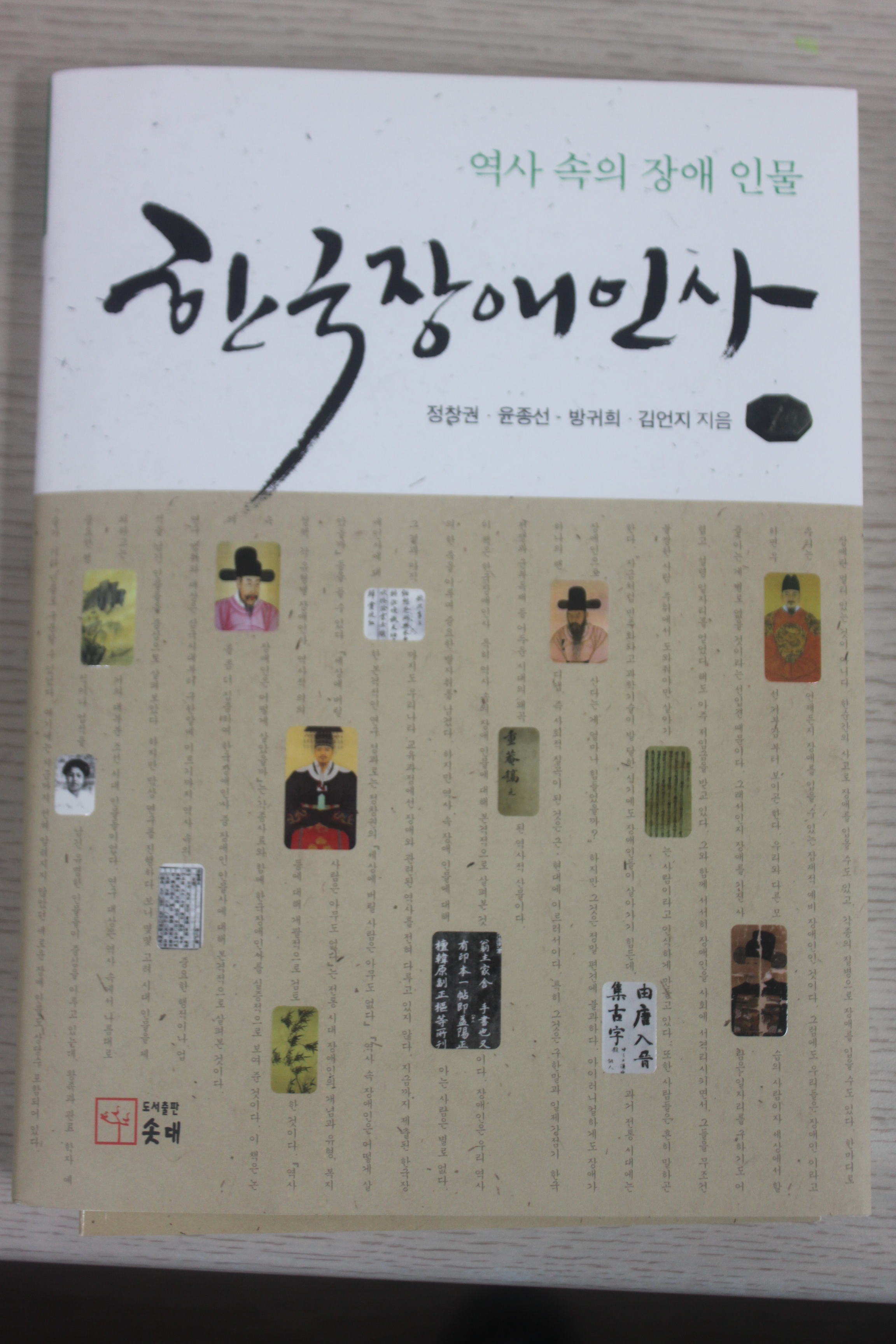
“History of the Handicapped in Korea”

This remarkable new book serves as a possible textbook for use in high school or university that presents in a systematic manner a history of handicapped people in Korea. The book includes such luminary figures as King Sejong (who lost his eyesight) but also the very humble experience of handicapped people in traditional Korea who struggled to create a meaningful life for themselves. The book offers the possibility of a sense of belonging for the handicapped as part of a long tradition. It also holds up possible role models from the past to inspire and give a sense that today’s struggles are not new, but rather part of a long history.


(Sotdae 솟대Publishers, 2014 )

"History of the Handicapped in Korea"
“History of the Handicapped in Korea”

Bicycles as environmental symbols

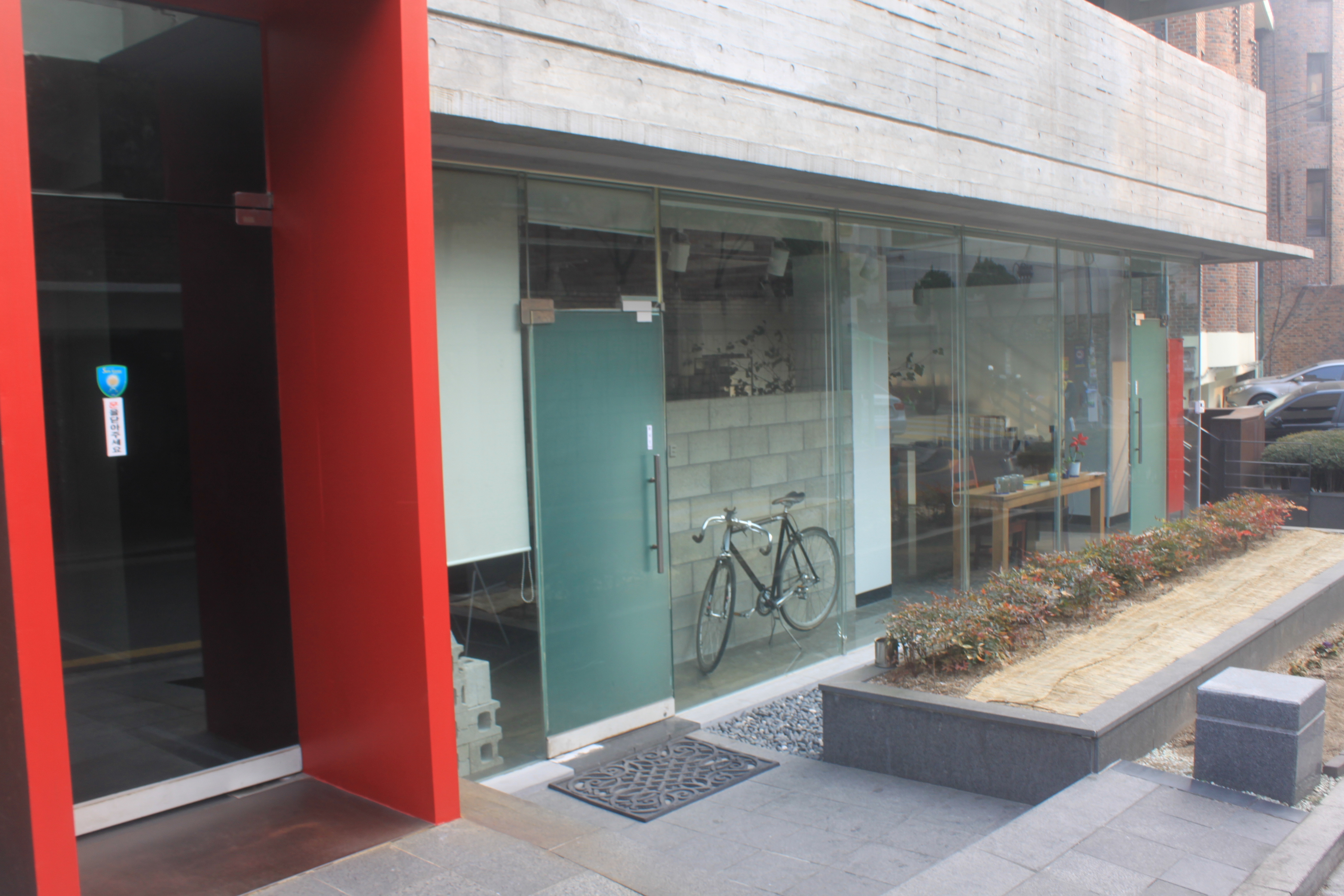
One of the weirdest things you will find in Korea is the use of bicycles as decoration. Many chick cafes, office buildings and markets will have an attractive bicycle parked in front to indicate some sort of environmental awareness and give a down-home feeling to the place.

Useless bicyle
Useless bicyle

The odd part is that these attractive bicycles are never used. This bicycle in the window of a consulting firm’s office is typical. The attractive bicyles just sits there all day long  to be observed. Bicycles are little more than symbols of another possible Korea that simply does not exist. We find a parallel in the extensive bike paths that were built under President Lee Myung Bak. These paths go on for miles, but they are often cut off from residential communities by freeways and otherwise extremely impractical to use. In many cases, one must brave dangerous traffic to get to and from them. There really has not been any serious effort to integrate the bicycle into Korean society.

“THE TRIALS OF AN AFRICAN KOREAN” (Joongang Daily April 2, 2014)

Joongang Daily

April 2, 2014


“THE TRIALS OF AN AFRICAN KOREAN”


Emanuel Pastreich


My colleague at Kyung Hee University Ed Reed related to me a scene he witnessed at Incheon International Airport recently. A man of African descent was waiting at immigration in the line clearly marked as “for Koreans.” Three people came up to him in turn and told him to please move to the line for “aliens” to the right. The man was clearly upset by the constant attention, but stood his ground. And then, when he actually reached the immigration officer he revealed that he was in fact a Korean citizen.

Cases like this in Korea are frequent. The number of non-ethnic Koreans with Korean citizenship is increasing rapidly, more rapidly than the thinking of most Koreans can evolve to imagine a multiethnic country.

For that reason it is hard for Koreans to come up with an inspiring long-term vision for what a multicultural Korea would be like – but that is exactly what we need to do right now.

The term “multicultural” (damunhwa) has been misunderstood in Korea to apply exclusively to the families formed by Korean men who marry non-Korean women from Southeast Asia and China. Although such families must be integrated as part of a future Korean culture, they do not represent true multiculturalism.

The challenge of multiculturalism is one of creating an overarching culture for Korea that can then absorb and integrate other cultures. The base culture for a multicultural Korea must be broad enough and tolerant enough to embrace (and transform) not only foreigners but also Koreans, such as overseas Koreans, adoptees and North Koreans.

One mistake we see frequently is that Koreans assume that a multicultural,

Read more

“Why is Korean Reunification the ‘Jackpot?’ ” Joong Ang Daily

“Why is Korean Reunification the ‘Jackpot?’”

Joong Ang Daily

March 6, 2014

Emanuel Pastreich


These days, there has been much talk among Koreans about the “jackpot” of unification. But when you speak with members of the international community who have no stake in Korea about the benefits of such a geopolitical transformation, the answer is less obvious.

Nevertheless, a successful reunification of the Korean Peninsula requires an excitement capable of mobilizing the world and generating a hope that would inspire a generation to build a new nation. Establishing a common cause that goes beyond culture and a nation – a unification that is about the future of our world – will be the key to long-term success of reunification and Korea’s new role on the global stage.

Of course, there are some obvious benefits from reunification, such as access to coal, gold and rare earth minerals available in North Korea, but the social implications of such benefits are ultimately ambiguous, as the use of resources will determine whether they have a positive impact on Korea’s economy.

Access to the highly trained and low-cost labor force of North Korea, whose language and culture makes them easy to integrate into the Korean economic system, is a plus. Nevertheless, although Korea might make more in the short term by paying those workers less, ultimately the whole purpose of unification will be to bring those workers up to the same standard of living found in South Korea. It would be a political mistake to predict a long-term competitive advantage based on cheap labor in North Korea.

Read more

Yéol Lecture 2014: “The Philosophy of Park Jiwon” by Emanuel Pastreich

Yéol Lecture 2014

박지원2

“Engaging China and Discovering Korea’s True Strengths

The Philosophy of Park Jiwon” 

Emanuel Pastreich

Director of The Asia Institute

11:30 AM  on Monday, March 3.

Yéol, the Korean Heritage Preservation Society, is pleased to announce its 2014 English lecture series featuring distinguished scholars and experts in the fields of Korean art, culture and history. Since 2003, Yéol has aimed to appeal and inspire cultural enthusiasts, expatriates, as well as the general public so as to increase understanding of the Korean society and culture. Such efforts are a critical part of our foundation’s mission. This year lecture series consists of six lectures at the Seoul Museum of History and two walking lectures which offer customized guided tours of specific cultural sites or unique cultural and heritage experiences.

The Yéol Lecture welcome a diverse audience to our program in 2014. We are committed to a dialog with all individuals and groups drawn to Korea and its culture. Yéol will provide a light lunch (by reservation) for this event to encourage participation of the working professionals.

To attend, please RSVP with Choi, Hee-Hyeon atyeol400@daum.net or 010-4692-6851.

“Engaging China and Discovering Korea’s True Strengths-The Philosophy of Park Jiwon”

Monday, March 3.

“Engaging China and Discovering Korea’s True Strengths-The Philosophy of Park Jiwon” will be held onMonday, March 3.

The international community wrestles with a response to the increased cultural and economic influence of China in East Asia. Yet we can learn much from the insights of the Korean scholar and writer Park Jiwon who formulated a practical and thoughtful response to China in the 18th century that stressed an informed engagement. Park Jiwon also wrote about contemporary society and the gaps between social groups in an increasingly polarized society. His suggestions for how such issues can be addressed through cultural activities are as relevant today as they were when he wrote. Moreover, Park’s writing suggested a potential within the Confucian tradition for innovation that has often been overlooked by contemporary writers.

Park Jiwon was one of the most important intellectuals of the 18th century in Korea. But as he strove to transform the nation, he realized that he could not do so simply through policies or arguments to the government. He had to change people’s perceptions. His answer was a series of compelling novels that described for the first time the lives of ordinary people and drew attention to what was so extraordinary in their experiences. He made visible the world of beggars, farmers, con men, day laborers and widows. Those who had no voice in Joseon society suddenly had a chance to articulate their perspectives.


Emanuel Pastreich is director of the Asia Institute in Seoul and associate professor at the College International Studies of Kyung Hee University. Pastreich studied the classical literatures of China, Japan and Korea, producing two important books on Korean and Japanese classical novels. He has taken a strong interest on the writings of Park Jiwon over the last decade, translating ten of his novels into English.

Pastreich has a B.A. in Chinese literature from Yale University (1987), Master’s Degree in comparative culture from the University of Tokyo (1992) and a Ph.D. in East Asian Languages and Civilizations from Harvard University (1997).


Directions


Venue

Education room (1st floor), Seoul Museum of History, Shinmunro


Time

Lecture : 11:30 A.M. to 13:00 P.M. (Mon)

Walking Lecture : 9:30 A.M.~12:00 P.M. (Sat)


Fee

10,000 won(Sandwiches and drinks are included.)

* Donation receipt can be issued.


Payment

KEB

a/c#631-000503-181 (YÉOL)

or at entrance


Language

All lectures and tours are conducted in English


Registration (highly recommended)

Send name and contact details to yeol400@daum.net for registration


Contact

Email: yeol400@daum.net

www.yeol.org

T: 82-2-735-587882-2-736-5868 F: 82-2-736-5878