Shilla Duty Free

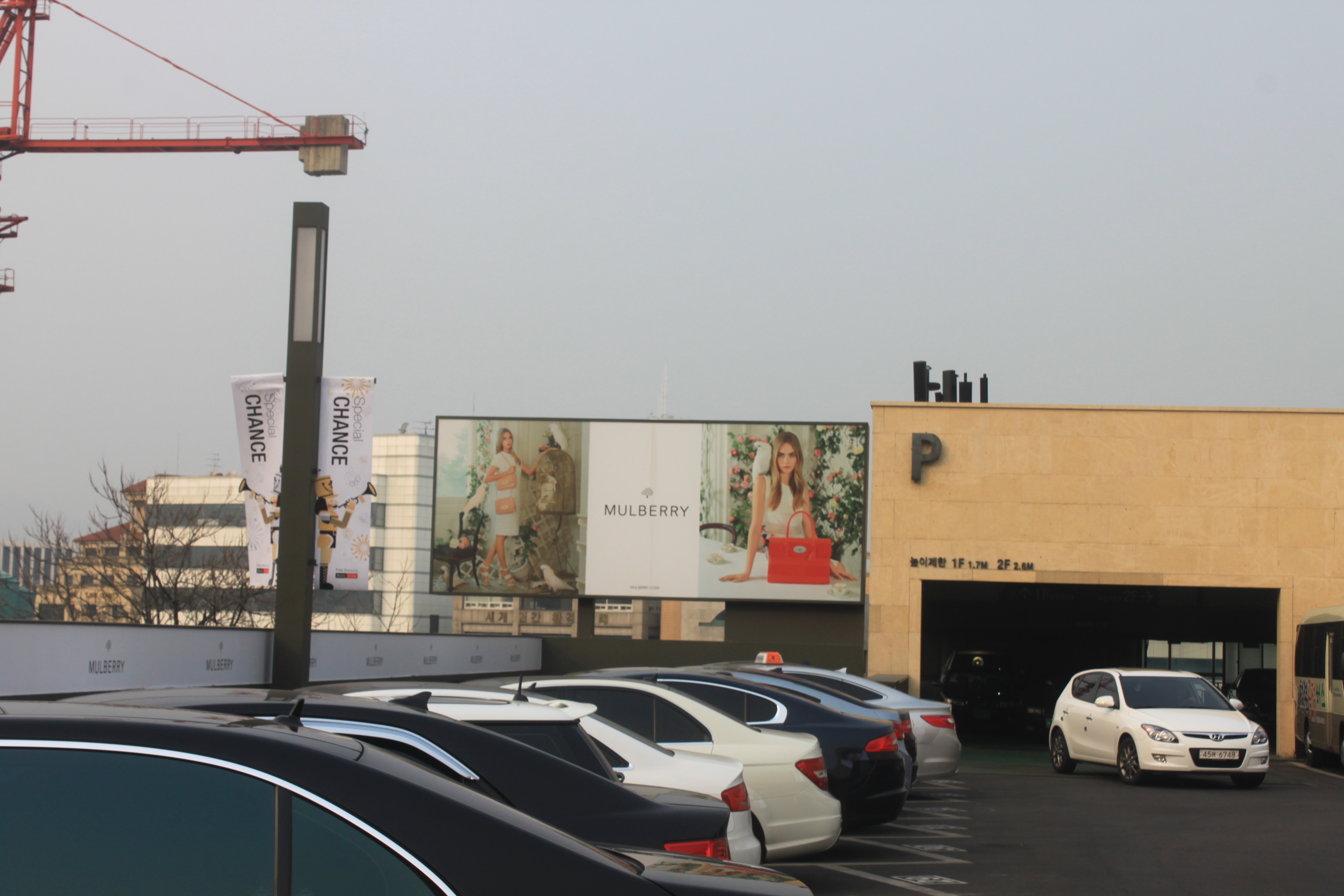
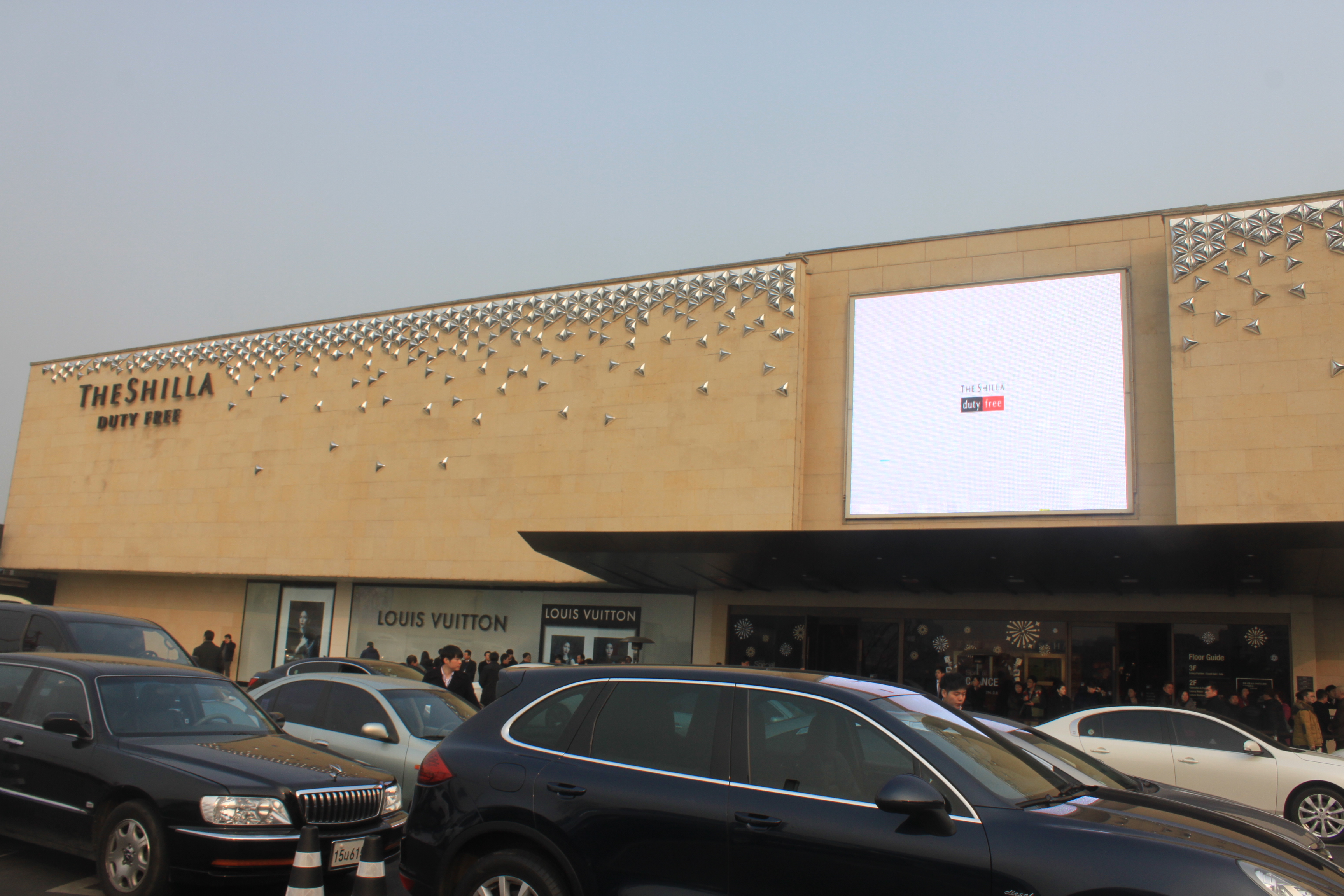
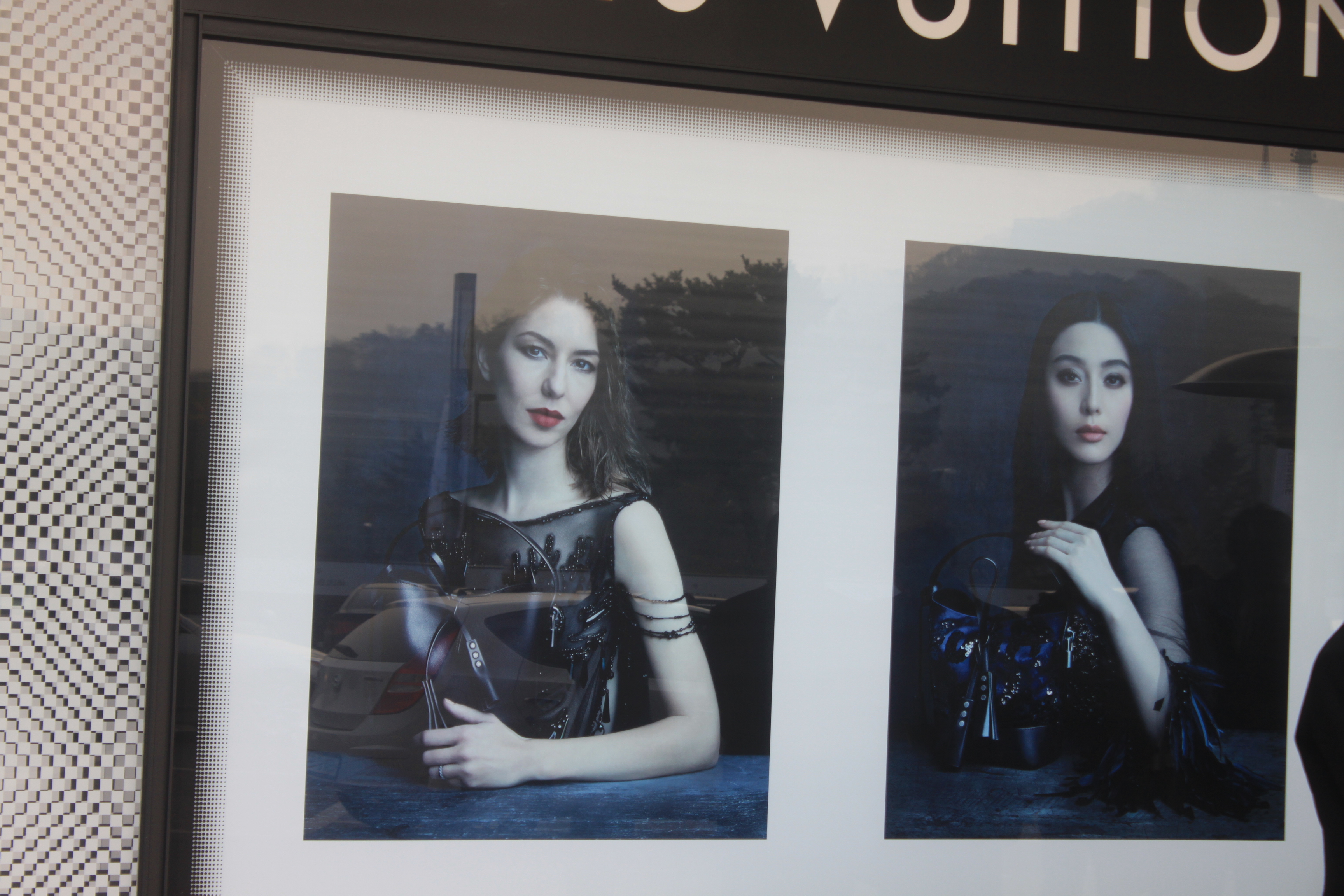
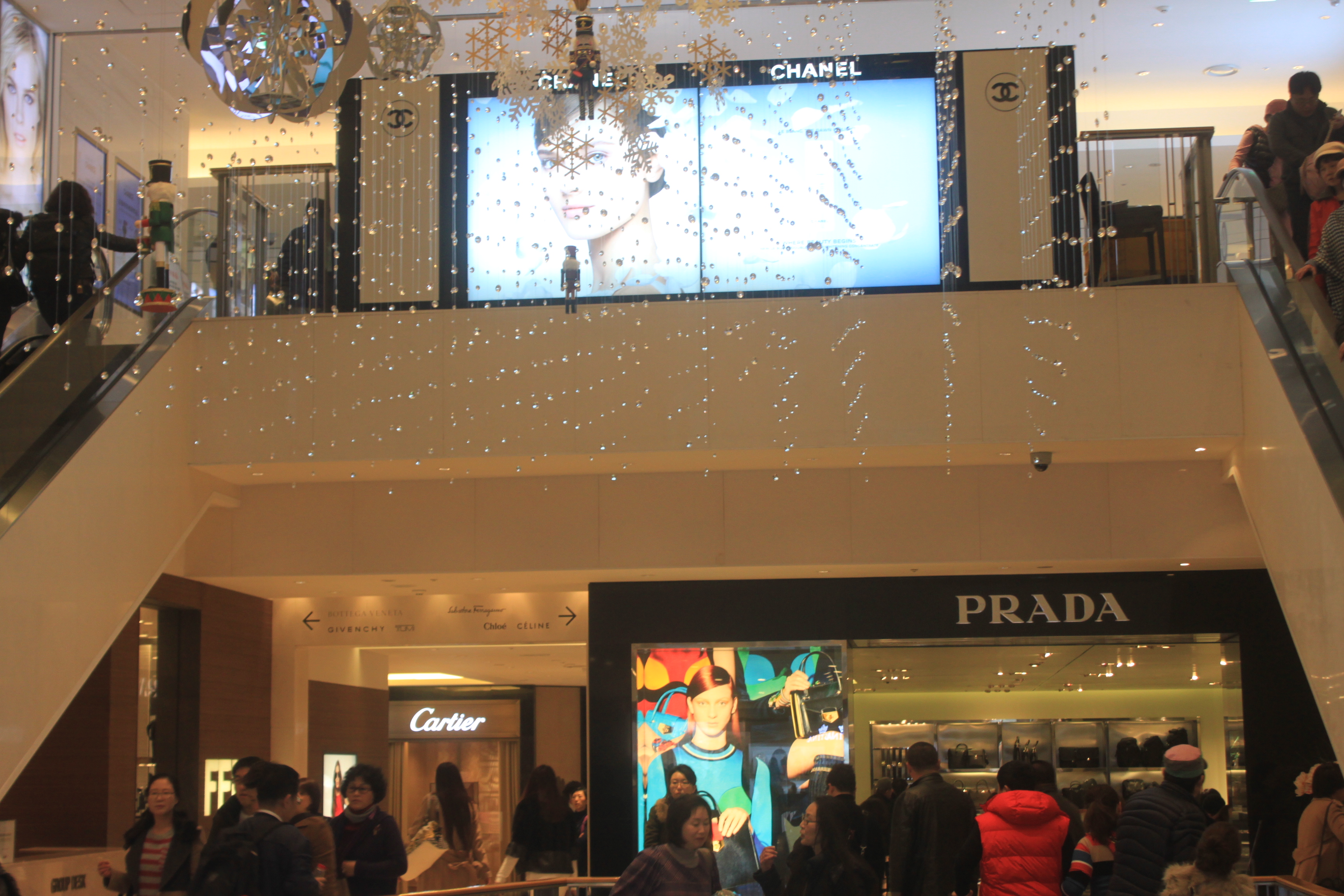
Here are a few images from the Shilla Duty Free Store next to the Shilla Hotel. The culture of duty free is rather mysterious to me. Consumption here seems to approach a religion, an embrace of an image of the “advanced nation” that does not actually exist anywhere.

IMG_0296IMG_0289IMG_0290IMG_0291IMG_0295

서울시립미술관 현대미술특강 2015-04-22 “동북아는 위험한 동네인가? 문화의 역할” (이만열 특강)

서울시립미술관

현대미술특강

2015-04-22

수요일 오후 5~7시

동북아의 국제정치와 문화예술

세션1

“동북아는 위험한 동네인가? 문화의 역할”

임마누엘 페스트라이쉬 교수 (경희대)는 미국 잡지들은 동북아 지역을 ‘위험한 동네’로 표현하는 경우가 많다. 십중팔구 호전적인 북한이나 한·중·일 간 역사·영토 분쟁 탓에 엄청난 리스크가 수반되는 지역이란 의미가 함축돼 있으리라. 동북아는 다원주의 기반이 허약하다는 인식이 깔려 있는 것이다. 동북아의 시대적 도전을 인식하고 이에 잘 대응하려면 고리타분한 위계질서에 기초한 관제탑보다 날렵하면서도 강력한 네트워크가 필수적이라는 견해를 밝힌다.

등록


art mus


“서울을 싱크탱크의 메카로 만들자” (중앙일보 2015년 4월 4일)

중앙일보

“서울을 싱크탱크의 메카로 만들자”

2015년 4월 4일

임마뉴엘 페스트라이쉬

링크 


전 세계적으로 싱크탱크(think tank)는 정책 토론의 핵심 공간으로 부상했다. 전문가, 정부와 민간 부문의 대표, 시민이 사회·경제 현안을 토론하는 무대가 싱크탱크다. 워싱턴에 있는 브루킹스·헤리티지 재단은 정책 토론의 오랜 전통을 자랑한다. 최근 서울에서도 아산정책연구원, 동아시아연구원, 외국인이 설립한 싱크탱크 등 크고 작은 싱크탱크들이 부각되고 있다.

점점 더 많은 개발도상국이 한국의 인프라, 제조업 노하우, 전자정부 등을 벤치마킹하고 있다는 사실을 감안하면 서울의 싱크탱크 클러스터가 거버넌스 혁신의 센터가 될 수 있지 않을까. 특히 한국의 세계적인 비즈니스·교육 역할을 고려하면 확실하다. 그럼에도 그러한 비전을 실현하려면 몇 가지 중요한 발걸음을 내디뎌야 한다.

첫째, 젊은이를 포용해야 한다. 싱크탱크 행사에 가보면 40세 이하 참가자가 없다. 발표자는 많은 경우 60~70대다. 행사에서 볼 수 있는 젊은이는 인턴이다. 토론에는 아무런 역할을 하지 않는다. 젊은이들의 니즈(needs)를 간과하는 것은 심각한 잘못이다.

또한 한국의 싱크탱크는 국제적·세계적이어야 한다. 영어로 세미나를 진행한다고 글로벌화되는 것은 아니다. 연구팀에는 외국인, 여성, ‘다문화 코리아’의 대표들이 포함돼야 한다. 해외 싱크탱크처럼 외국인을 선임연구원으로 채용해야 한다. 베트남·몽골 사람을 부모로 둔 연구원을 채용한 한국의 싱크탱크가 내가 알기로는 아직 없다.

차세대 싱크탱크는 기후변화 같은 핵심 과제를 정면으로 다뤄야 한다. 그리고 두려운 생각이 들 정도로 정직한 발언이 오가야 한다. 기술변화가 사회에 미치는 역할도 중요한 토픽이다. 우리가 잘 인지하고 있지 못하지만 기술은 사회를 분화시키고 있다. 사회 문제에 집중할 능력을 약화시키고 있다. 싱크탱크의 역할은 보통 사람들에게 보이지 않는 심각한 문제들에 우리가 주목하게 만드는 것이다. 마치 의식을 거행하는 것처럼 진부한 이야기를 청중에게 늘어놓는 것은 싱크탱크를 실패로 이끈다.

또한 한국의 싱크탱크는 여러 언어를 포괄해야 한다. 영어 외에 중국어·일본어·아랍어 보고서도 가끔 발행할 필요가 있다. 미래에는 인도네시아어·베트남어 문헌도 발간해야 할지도 모른다. 그래야 세계 각국에서 한국의 싱크탱크 보고서와 정책 제안을 효과적으로 채택할 수 있다.

궁극적으로 서울이 세계 싱크탱크의 중심이 되려면 혁신 능력이 핵심이다. 모방에는 한계가 있다. 국내외 연구와 토론을 통합하는 네트워크가 필요하다. 기후변화나 ‘사이버 공간의 미래’ 같은 지극히 복합적인 문제들에 대해 세계 각국의 새로운 정책을 조율하고 거대 프로젝트 수행을 위한 역할을 분담하기 위해서다.

Read more
The Haechi and the Lion

The presence of China in Seoul is increasing at an exponential rate these days. Chinese news is increasingly on the front page and signage with Chinese characters is displacing English. As I noted in a recent post, signage in the garden of the Shilla Hotel is exclusively in Chinese.

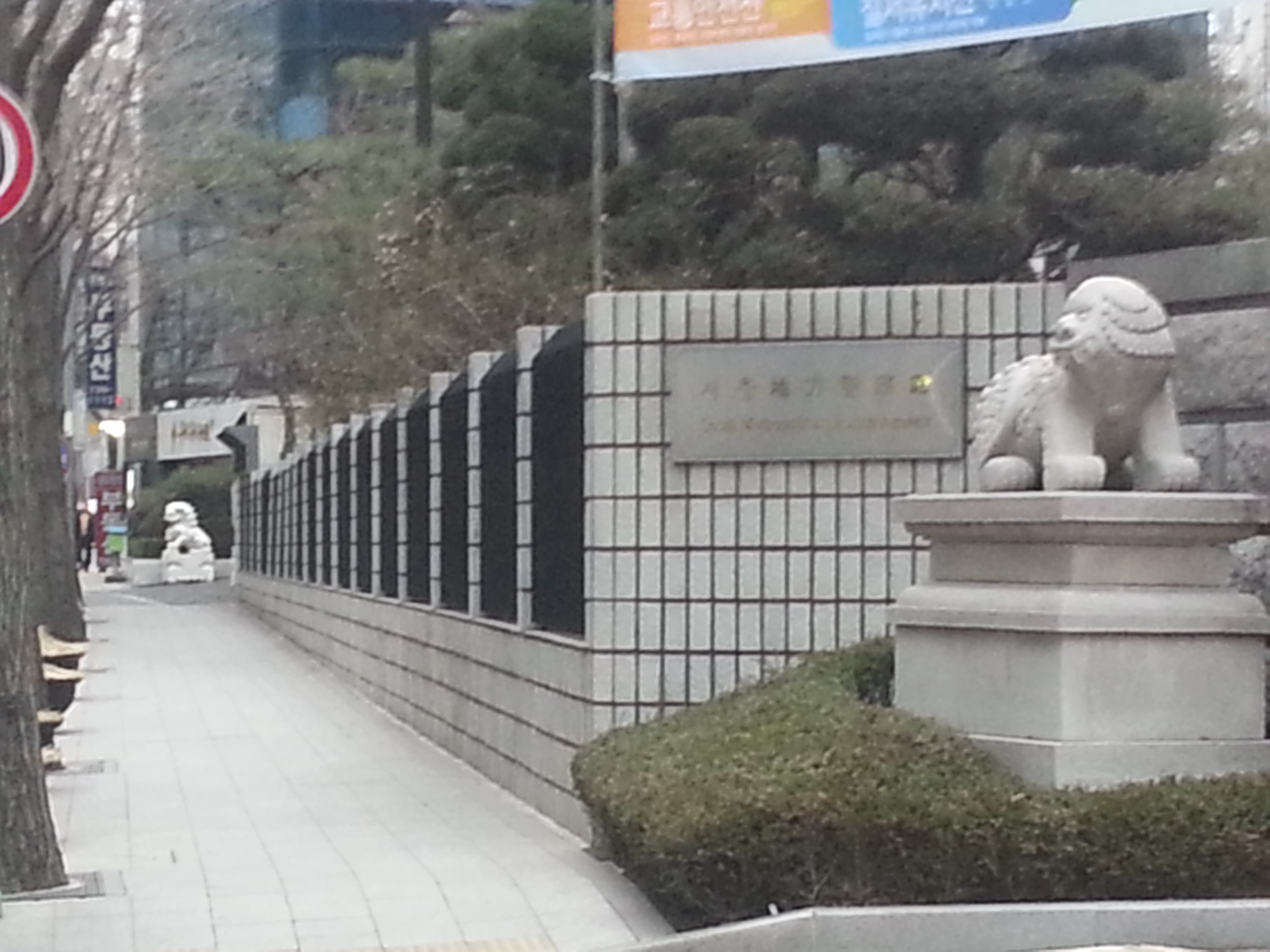
Perhaps the site of the Haechi (a Korean mythical beast) statue in front of the central police station near Gyeongbok Palace and the Chinese lion in front of the Chinese Culture Center hints at the subtle shifts taking place.

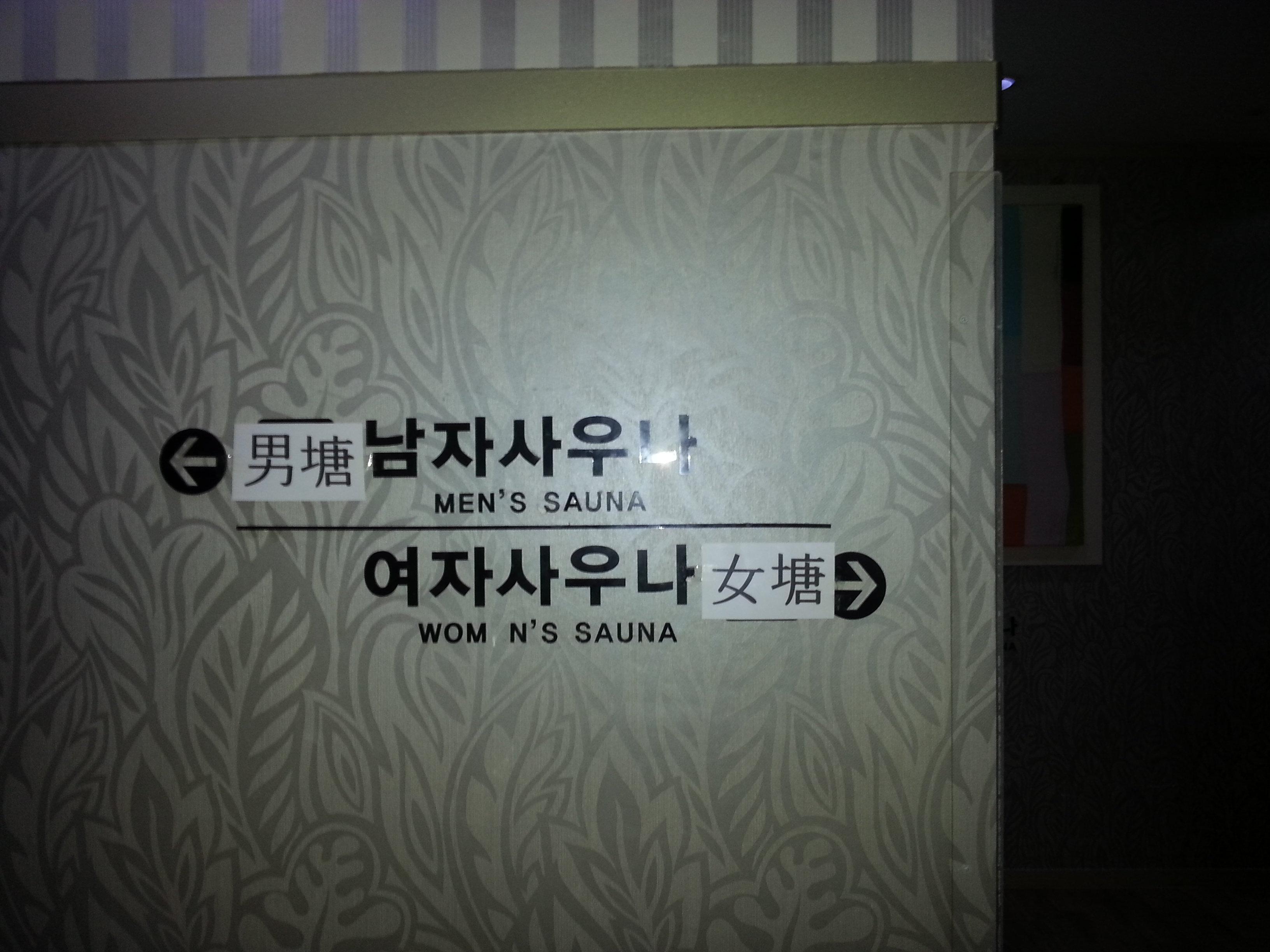
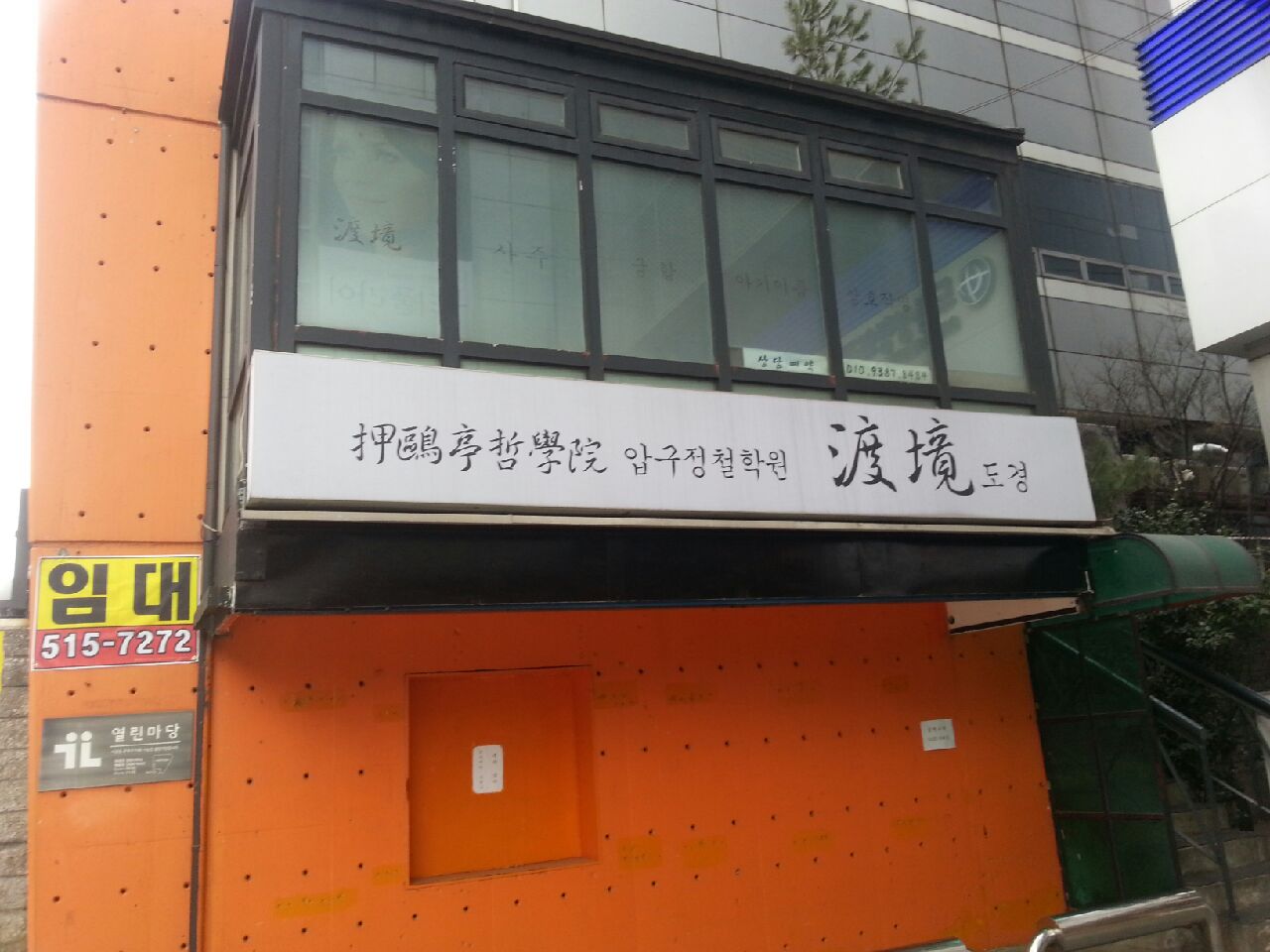
But the replacement of English with Chinese at the Jjimjilbang sauna, or the decision of Gangnam fortune tellers to advertise in Chinese give full testimony to the depth of the changes.

The haechi that stands in front of the police station near Gyongbokgung Palace and the lion in front of the Chinese culture center.
English  explanations are covered up with Chinese at a local sauna.
English explanations are covered up with Chinese at a local sauna.
A fortune teller in Gangnam has written up the sign in Chinese, realizing there is more money to be made telling fortunes for Chinese tourists than for Korean girls.

“Korea’s greatest threat” (JoongAng Daily January 26, 2015)

JoongAng Daily

“Korea’s greatest threat”


January 26, 2015

Emanuel Pastreich


Koreans are scratching their heads, asking themselves why efforts to address Korea’s dwindling birthrate have been so ineffective.

Although the government has implemented over 100 different policies since 2006 and has allocated a budget of 10 trillion won ($9.3 billion) for the last two years, the number of annual births per 1,000 members of the population is stuck at 1.19. That ranks Korea at No. 220 among nations for its birthrate in 2014. No other major country is even close to that rate.

The reason for the complete failure is simple. Koreans have completely failed to recognize the seriousness of the crisis and have not responded with an appropriate level of commitment in terms of policy or, more importantly, a shift in habits.

A birth rate like this could mean Korea itself will disappear as a culture in 100 years. The Korean language could join Manchu as a dead language that people learn about in history books.

It strikes me as bizarre that Koreans talk about the highly unlikely possibility of North Korea shelling Seoul, but they avoid this far more serious danger completely. Such a low birthrate is certainly a far greater threat than a lack of competitiveness in semiconductors or smartphones.

Read more

Clash of Clans vs. Clash of Plans

The game “Clash of Clans” has swept Korea, becoming one of the preferred games for kids and for that matter commuters on the subway in Seoul. This poster from the Seoul Metro represents well the rather comic battles between the Nordic clans that was released in 2012 by the video game company Supercell located in Finland.


The poster reads “they are swarming forward”

clash of clans koreans

Gaming has become so completely a part of the lives of young Koreans these days that they tend to compare their own lives to that of the characters in the games that they play everyday. That analogy is implied, but this Advertisement from Kyonggi University makes the analogy quite explicit. The poster is titled “2015 recruiting campaign for new students” and it lists its most practical and applied majors:

Hotel Management
Tourism management
restaurant managment
Hotel restauranting


At the bottom there is a take off on “Clash of Clans”

“the real skills faction is  swarming forward”

The implication being that just like in a video game, having real skills before graduate will put you on the winning side.


Kyonggi University "Class of Plans" sign
Kyonggi University “Class of Plans” sign


JoongAng Daily

“Is reunification a choice?”

December 19, 2014

Emanuel Pastreich


Link


Recently I led a discussion about the future of Korea and the challenges of unification in my class at Kyung Hee University. When I asked students what the proper road forward for Korea might be, one declared with great confidence that he did not feel those of his generation would chose unification, especially in light of the exorbitant costs reported in the media.

I thought for a long time about that student’s comment after the class and wondered whether perhaps many Koreans assume history offers us such choices. I believe that we have choices in terms of our response to destiny, but we may never have a choice between unification and division.

The best known saying about unification is to be found in the preface to the Chinese historical novel Romance of the Three Kingdoms (Samgukji in Korean), an epic relating the competing visions for unification at the close of the Han Dynasty: “Any state that has been divided for a long time will inevitably come back together; any state that has been unified for a long time will inevitably split apart.”

The implication is that the unification and division of nations are phenomena driven by larger historical and geopolitical factors and that they are ineluctable in nature. It would more accurate to say that we have a choice between a successful unification and a failed unification; there is no choice about unification itself.

The process of unification on the Korean Peninsula has already begun. North Koreans are being drawn into the global economy regardless of South Korean or American policies. The privileged of Pyongyang travel to Beijing and Moscow to purchase luxury goods and are entirely capable of acquiring foreign reserves and even opening accounts through which they can invest around the world, including in South Korea, without being easily detected. China also is investing in North Korea on a large scale and making that economy more integrated with the world.

Read more

중앙일보

통일은 선택의 문제가 아니다”

2014년 12월 13일

임마누엘 페스트라이쉬

링크 

얼마 전 수업 시간에 한국의 미래와 통일에 관한 토론 시간을 가졌다. 통일로 가는 올바른 길이 무엇이냐고 묻자 한 학생은 확신에 찬 듯 “엄청난 통일비용을 감안할 때 우리 세대에는 통일을 선택하지 않겠다”고 대답했다. 수업을 마치고 학생의 말을 오랫동안 곱씹어 봤다. 혹시 많은 한국인이 그 학생처럼 역사가 우리에게 그런 선택을 제공한다고 여기는 건 아닐까. 그러나 분명한 사실은 우리 운명에 대한 선택지는 여러 가지일지라도 통일은 결코 선택의 문제가 아니라는 점이다.

통일에 관한 불후의 문구는 중국의 『삼국지』 서문에서 찾을 수 있다. 나라의 존망이 위태롭던 한(漢)조 말에 쓰인 그 유명한 역사소설의 서문에는 이런 구절이 나온다. ‘分久必合, 合久必分(오랫동안 분열된 나라는 반드시 다시 통일되고, 오랫동안 통일된 나라는 반드시 분열한다)’. 이 말의 함축된 의미는 국가의 통일과 분열은 본질적으로 피할 수 없다는 것이다. 그렇다면 성공적인 통일이냐, 실패한 통일이냐의 차이만 있을 뿐 통일 자체는 선택의 대상이 아니라는 것이다.

한반도의 통일 과정은 이미 시작됐다. 한국이나 미국의 정책과 무관하게 북한은 글로벌 경제 속에 계속 편입되고 있다. 평양의 특권층은 이미 베이징이나 모스크바에서 명품을 구입하고, 외화를 획득하거나 심지어 해외 계좌를 통해 전 세계에 은밀한 투자가 가능하다. 중국의 대규모 북한 투자도 북한의 세계 경제 편입을 촉진한다. 다시 말해 남북한의 경제·금융 통합은 수면 아래에서 꾸준히 계속될 것이다.

남북 간의 이념 장벽도 무너지고 있다. 20년 전만 해도 옷과 표정만 봐도 북한 사람을 분간할 수 있었지만 그런 차이가 갈수록 무뎌진다. 북한 지도자 김정은의 말·몸짓·복장은 베이징이나 서울에 사는 또래들과 큰 차이가 없어 보인다. 공산주의 이념에 지배되던 당과 군이 사익을 추구하는 과두집단으로 변모하면서 문화와 가치관의 차이도 계속 흐려질 것이다.

만일 남북의 통합 과정이 은밀하게만 이뤄진다면 정부나 민간의 정상적인 채널보다는 비정상적인 채널을 통해 통합될 위험이 있다. 이렇게 되면 향후 100년간 한반도를 문화적으로나 정치적으로 후퇴시킬지 모를 비극을 맞을지 모른다. 통일 자체보다 통일 방법이 중요한 이유다.

이처럼 잘못된 통일이 일어날 가능성을 경계해야 한다. 문화적·제도적 통합을 위한 실질적 해결책을 찾아야 하는 우리의 책임도 결코 포기해선 안 된다. 이를 방기한다면 통일은 우리가 어디로 가는지 모르는 매우 위험한 상태가 될 수 있다.남한과 북한은 비무장지대(DMZ)로 나뉘어져 의사소통과 인적 교류가 거의 불가능하다. 그러나 DMZ가 한국의 유일한 장벽이라는 생각은 금물이다. 남한과 북한에는 저마다 경제적·이념적 분열을 조장하는 세력이 이미 등장해 공통의 미래를 방해하고 있다. 이들이야말로 눈에 보이지 않는 위험한 장벽이다. 1960~70년대 한국의 발전을 이끈 놀라운 공동체의식도 허물어지고 있다. 이런 이웃과의 문화적·사상적 장벽은 DMZ 보다 더 무섭다.

최악의 경우 남북은 돈과 재화의 흐름에서만 통합된 나라로 귀결될 수도 있다. 남북이 스스로의 의지에 의해서가 아니라 양국에 투자 중인 중국·러시아 또는 다른 나라의 발전 전략에 휘말려 통합되는 경우도 상정이 가능하다. 그런 식의 통일이 이뤄진다면 스스로 새로운 통일 한국의 구체적인 청사진을 만들지 못한 채 모든 수준에서 여러 세대 동안 갈등을 부추기는 엄청난 분열이 뒤따를 것이다.

 우리 사회 모든 수준에서 통합을 실현해야 하는 이유가 여기에 있다. 이를 통해 남북 모두가 동등한 시민이 되고, 공통의 가치관을 공유하며, 서로에게 책임을 져야 한다. 만일 남과 북이 문화적·사회적 통합을 이루지 못하더라도 현재진행형인 경제적 통합 흐름은 멈추지 않을 것이다. 하지만 그런 통일은 멕시코와 미국의 국경처럼, 지금의 DMZ가 매우 착취적이고 부정적인 양상을 띠게 될 것이다.

환경적인 문제도 생각하지 않을 수 없다. 북한은 이미 과도한 경작과 삼림 파괴로 토양이 피폐해지고 있는 데다 기후변화까지 겹쳐 상당한 면적이 끔찍할 정도로 사막화되고 있다. 이 건조지역이 DMZ를 넘어 남한 땅에 영향을 미치면 가뜩이나 부족한 물 부족 사태를 부채질할지도 모른다. 남한 정부가 아무리 노력해도 한반도의 사막화를 막기엔 역부족일 것이다. 결국 긴밀한 협력밖에 없다.

이제 우리는 통일의 불가피성을 받아들이고, 그 과정을 성공적으로 만드는 데 필요한 구체적인 정책을 수립하는 일에 전념해야 한다. 만일 지금 이 순간 한국 사회의 내적 통합에 신경 쓰지 않는다 해도 경제적 통합은 계속 이뤄질 것이다. 그러나 그런 무책임한 통일은 우리 사회에 분열을 초래할 수 있으며 눈에 보이지 않는 그런 분열은 DMZ보다 훨씬 더 비극적이고 위험하다.

Read more

“The Islands of Seoul Rhetoric, Culture, and the Human City” Lecture by Professor Marc Shell of Harvard University (Dec. 18, 2014)

“THE ISLANDS OF SEOUL

RHETORIC, CULTURE, AND THE HUMAN CITY”

Islandology
Islandology


MARC SHELL

PROFESSOR OF ENGLISH LITERATURE

HARVARD UNIVERSITY

 shjell

PRESENTED BY:


KYUNG HEE UNIVERSITY

KYUNG HEE CYBER UNIVERSITY

THE ASIA INSTITUTE


THURSDAY, DECEMBER 18

7 PM


Read more

Lecture at the Multicultural High School Dasom in Jaecheon

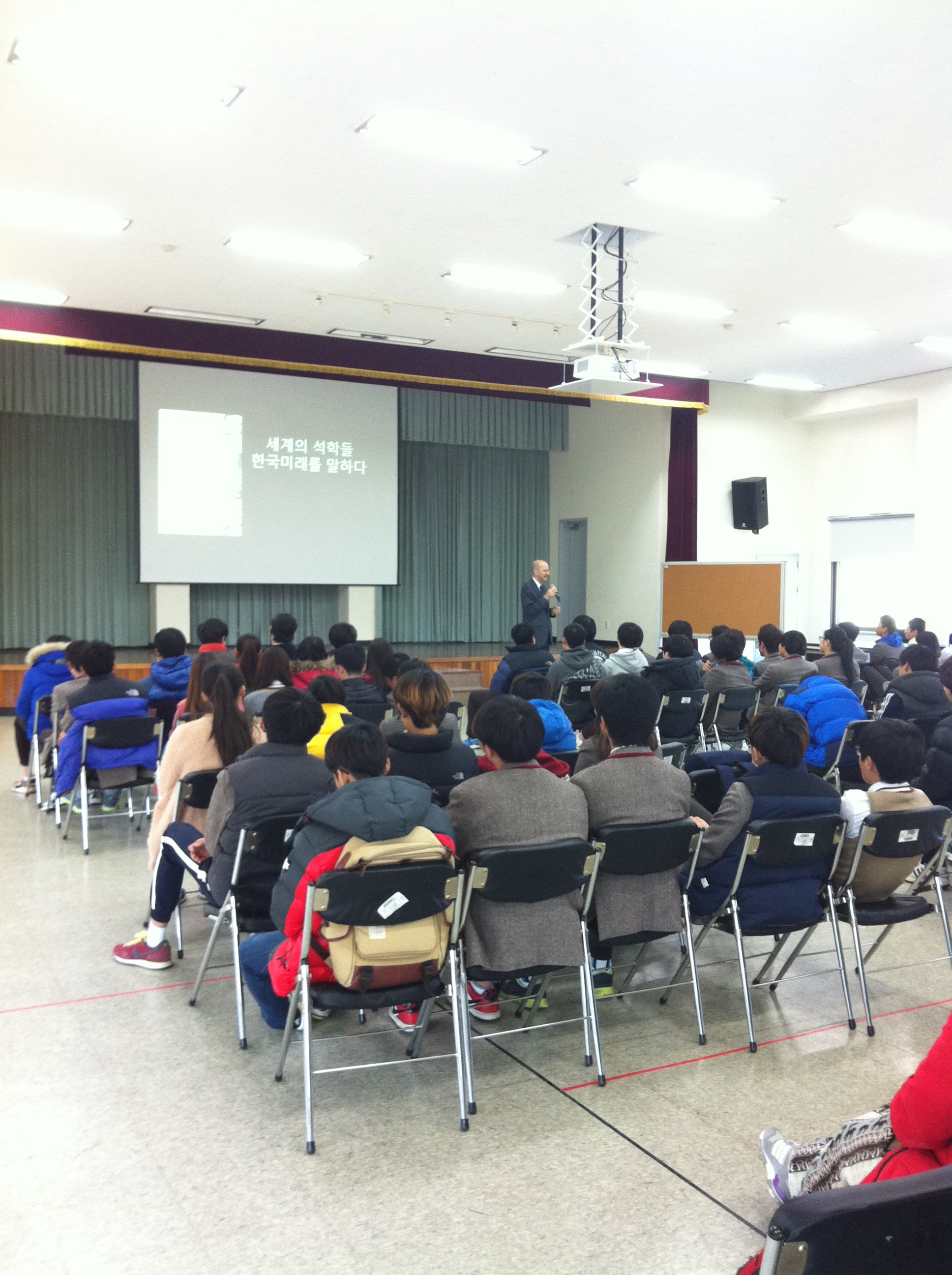
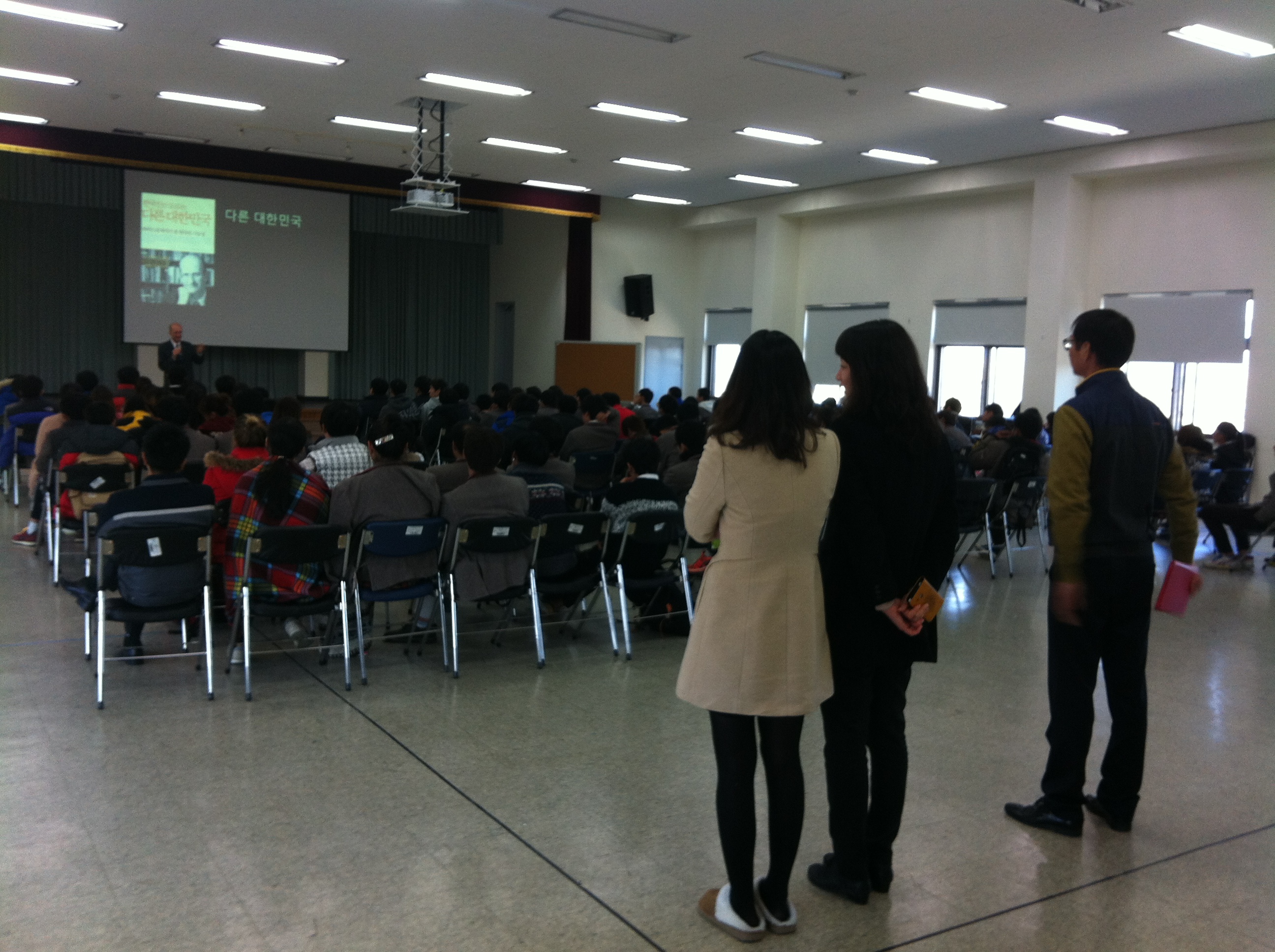
I had the honor of delivering a talk at Dasom High School in Jaecheon Korea on November 3, 2014.  The talk related myexperiences working in Korea to a group of students for whom many have a non-Korean mother and a Korean father (although Korean students and other foreign students were also included in the audience). Dasom High School was opened several years ago by the government as part of an effort to increase opportunities for multicultural students (which in Korean means those with one parent Korean and one parent non-Korean) in society.

The talk focused on Korea’s tremendous appeal and potential as a multicultural society. I wanted to suggest that those with mixed parentage may well go on to play a central role in Korean society as it evolves in the years to come.

I was deeply impressed by the sincerity of the students and their honest desire to learn and grow. I do hope many will join the Asia Institute.

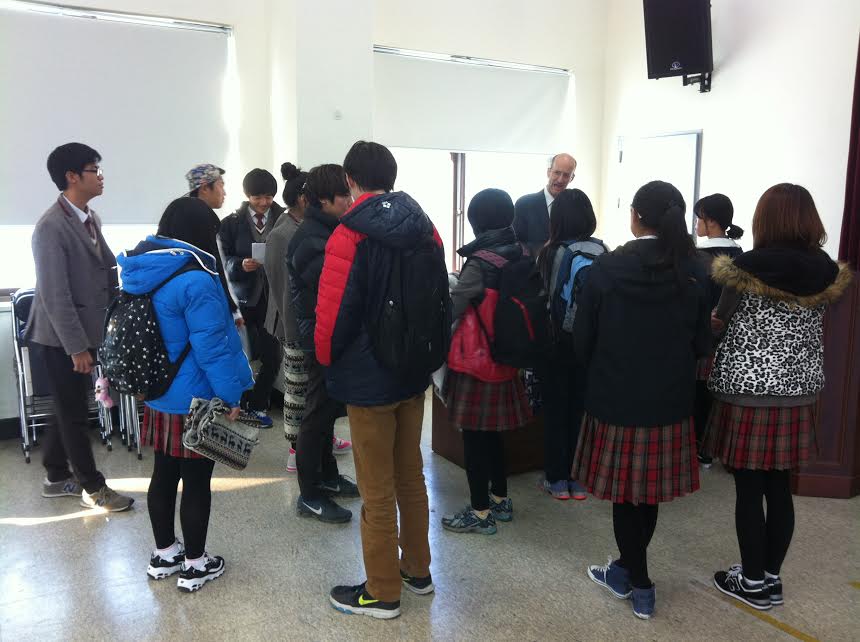
Emanuel speaks to students at Dasom High School about Korea's tremendous potential as a multi-cultural society. The discussion with the students was an inspiring opporunity to discuss how those from other countries and those with mothers (or fathers) from other nations could play an increasingly important role in the nation.
Emanuel speaks to students at Dasom High School about Korea’s tremendous potential as a multi-cultural society. The discussion with the students was an inspiring opportunity to discuss how those from other countries and those with mothers (or fathers) from other nations could play an increasingly important role in the nation.


Several of the teachers at Dasom High School watching from the rear.


Emanuel most enjoyed the direct discussions with the students.