May 15, 2015
Asia Institute Brief
“President Park’s State Visit to US”
Emanuel Pastreich
&
Eugene Hwang
http://www.youtube.com/watch?v=no_8IAdRrL0
May 15, 2015
Asia Institute Brief
“President Park’s State Visit to US”
Emanuel Pastreich
&
Eugene Hwang
http://www.youtube.com/watch?v=no_8IAdRrL0
허핑턴포스트
2015년 5월 11일
임마누엘 페스트라이쉬
서울의 문화에는 여러 가지 모순된 면이 있다. 예를 들자면, 서울은 정부와 대기업의 월권행위에 대항하는 시민의 시위로 유명한데 반해 그 표면 아래에는 보수적인 군대 스타일의 문화가 깊이 뿌리내리고 있다. 지방자치단체 그리고 심지어 사회 문제에 항의하는 민간 단체의 조직 구조와 규율에서도 군대 문화의 잔재를 볼 수 있다. 서울 문화 속에는 엄격한 위계질서와 연공서열 문화가 곳곳에 남아있다. 아마도 모든 한국 남자들이 경험하는 2년간의 국방의 의무 영향으로 명령을 따르는 것이 습관처럼 받아들여진 것으로 보인다.
서울 속 직원들이 (주로 여성) 얼마나 효율적으로 일하는지 알고 싶다면 서울의 우체국을 방문하면 된다. 상사들이 뒷자리에 앉아서 메시지를 확인하는 동안 직원들은 모든 일을 효율적으로 처리한다. 서울 시민들은 문제를 창의적이고 실용적인 방식으로 해결하려고 한다. 사람들은 그들이 군복무 시절에 배운 “까라면 까”라는 군대식 명령에 따라 일을 처리한다. 시청 안에서도 그 표면 아래 존재하는 군대 스타일의 기강을 볼 수 있다.
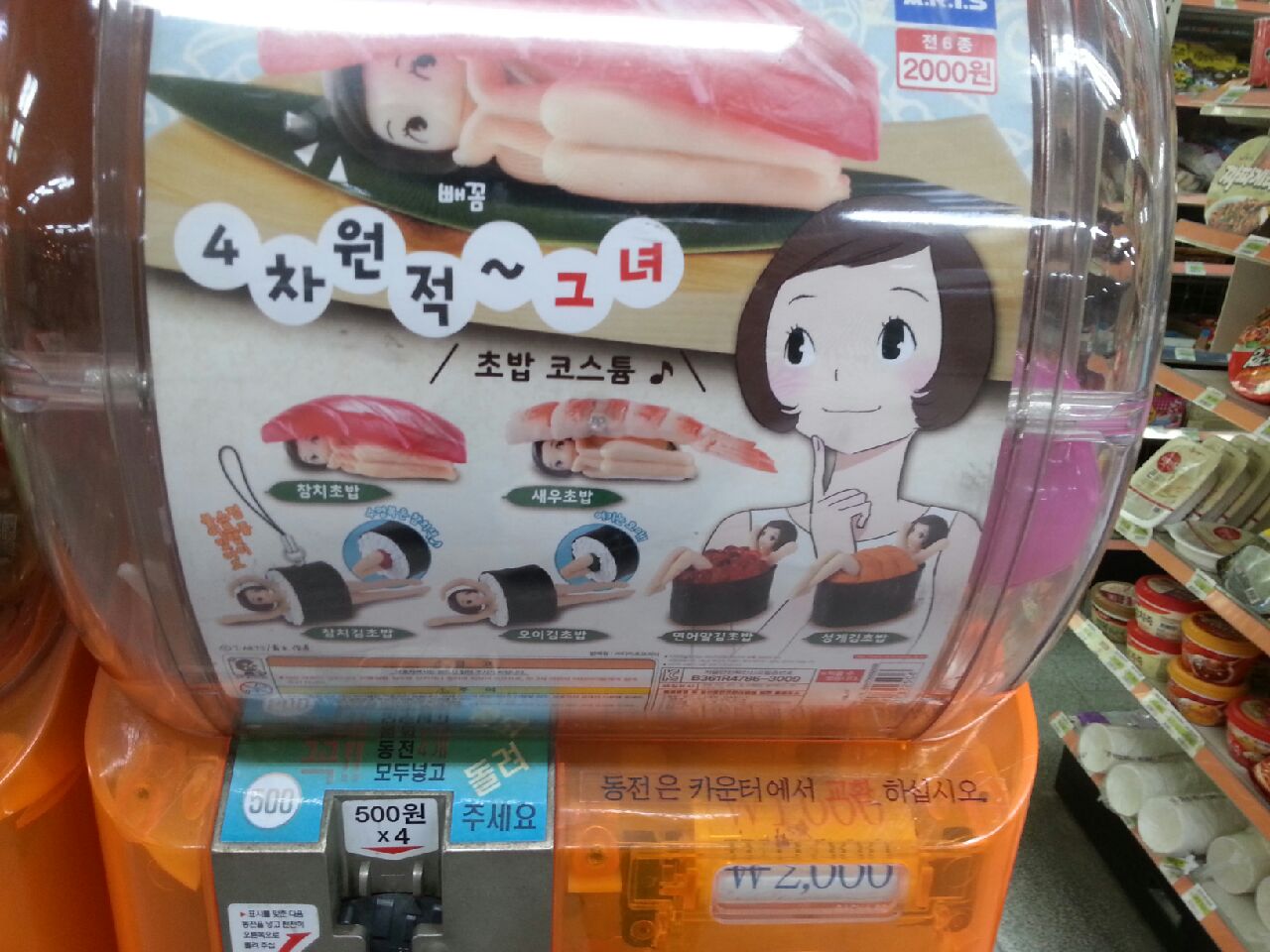
And how do you interpret the term “4-dimensional girl” attached to this bizarre and disturbing “toy” I saw for sale at Seoul Station? Seems there are three versions of a nude women lying on nori and topped with a generous slab of sushi. What do you make of it?
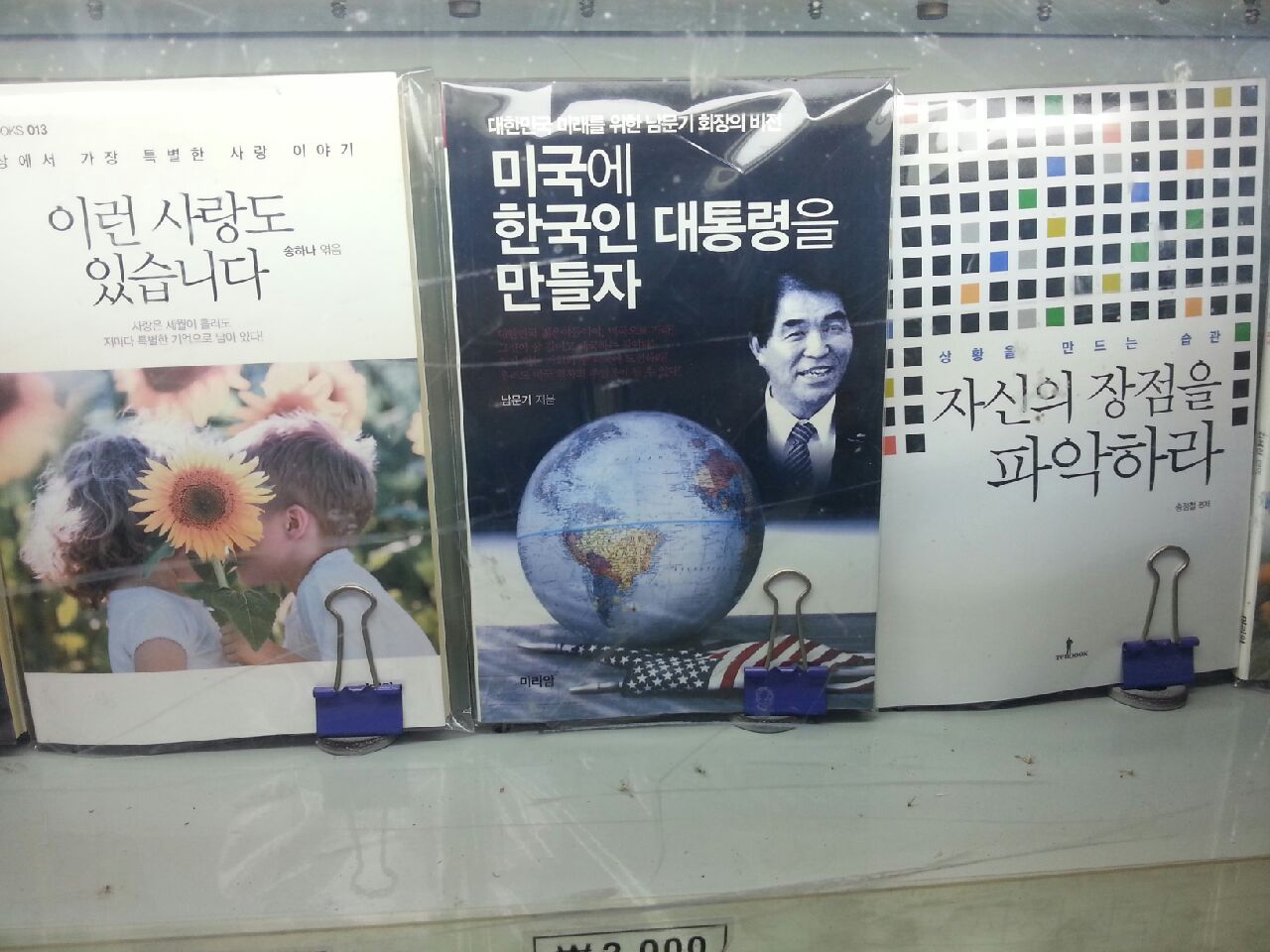
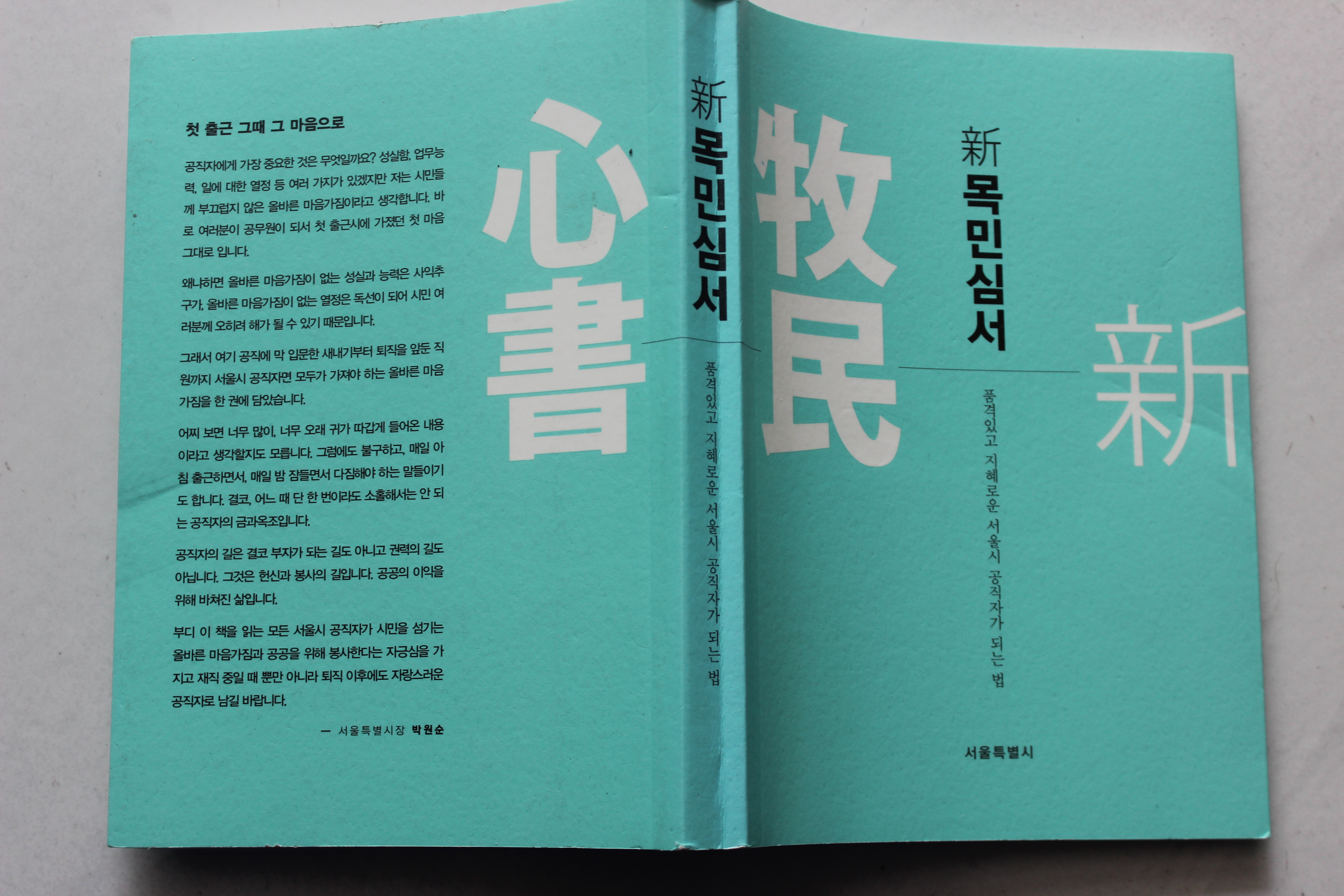
Here is an intriguing book I saw for sale at the subway station. Seems very much a Korean theme. Somehow if only a Korean was president of the United States, all our problems would be solved. If only politics worked that way!
Since Seoul forced out Uber for its so-called discriminatory practices, Kakao has moved into the taxi service business. I am curious if anyone has used the service.

Participants:
Discussion Members:
Jingyu GAO (China)
LeoYao LU (China)
Myeongsu Ryu TODA (ROK)
Sunny Chan Yiu LAM (HK)
Shi Pong LEE (HK)
Yumiko SHIMOGAKI (Japan)
Moderator:
Emanuel Pastreich (United States)
(Director, The Asia Institute)
(Based on a series of discussions held on October 5, November 15, November 22, and December 6, 2014)
Opening Remarks by Emanuel Pastreich (United States)
This seminar presented us with a valuable opportunity to learn about each other, and also to learn about our own perspectives and our own biases. We came to the question of democracy, and specifically the case of Hong Kong, with a general impression the issue based on how we saw it presented in the media. But in fact that are many aspects of politics in Hong Kong and of democracy today that we do not understand all that well. The very term “democracy” is not a given like “tomato” or “oxygen” but rather a vague term subject to an infinite number of interpretations. The value of this effort by youth from many different countries to create a platform for an honest and non-political discussion about the important issues of our age is critical to our future and it is an honor to be here today for this event.
I was struck by the sincerity of the questions raised and the care of the responses given in the course of this discussion. There was a sincerity that was striking about the discussion and I was touched by the clear desire of the students to understand the problems in Hong Kong in a larger context. By extending their discussion to all of Asia, and avoiding a narrow definition of democracy, they have opened the way to a constructive dialog that will extend to the rest of Asia, and to the world.
Youth in Hong Kong are facing incredible pressures. They face economic pressures related to the breakdown of the economic system that supported their parents; political pressures related to the immense influence that other nations have on Hong Kong because of its links to global capital; social pressures related to an aging society and the profound alienation among young people today.
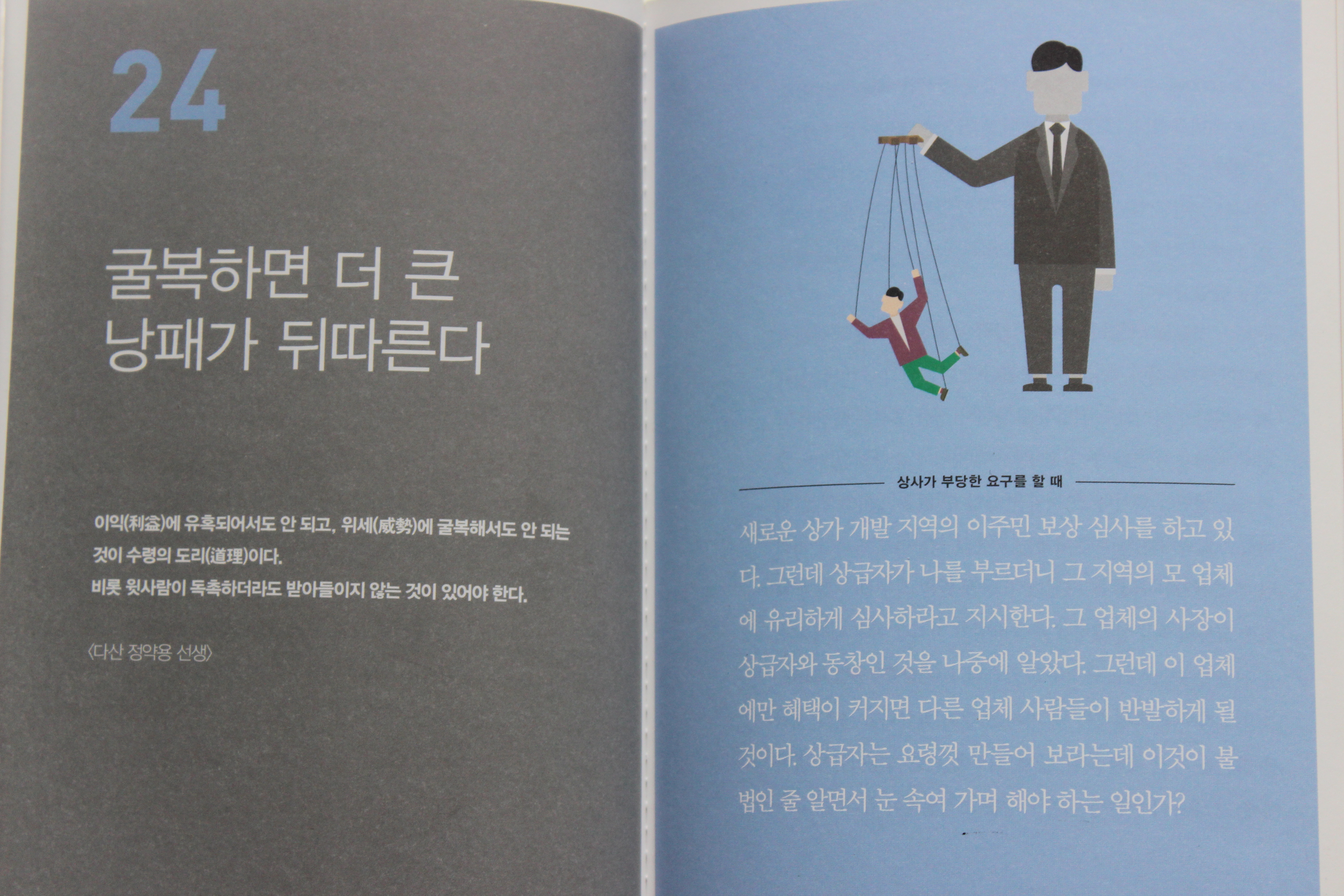
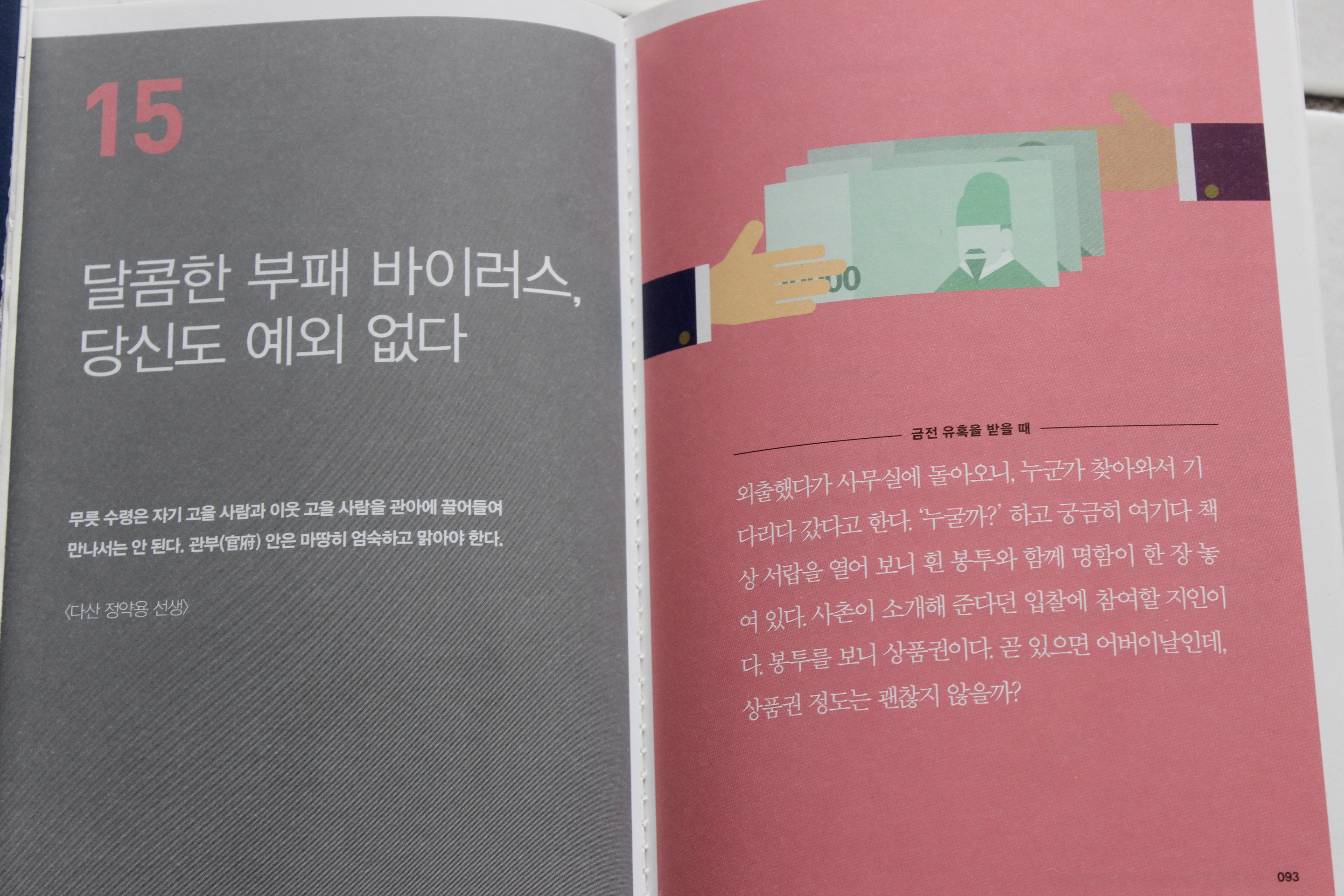
I was much impressed when Seoul City Government issued a new version of Mokmin Simsho that is updated to the ethical challenges of being a public official in this day and age. The book presents specific ethical traps and challenges, based loosely on those within the original book, but adapts them to contemporary society. The text stresses how corrupt acts often do not appear corrupt on the surface and that it is a challenge for the government official to remain pure and set forth a model for probity.
Jeong Yak-yong was a towering intellectual figure of the late eighteenth century in Korea who was a rigorous scholar and deeply immersed in the challenges of effecting good government in his own age. His book Mokmin Simsho 牧民心書 (Heartfelt Notes on Leadership) is included in a collection of Jeong’s writing compiled in 1818.
Mokmin Simsho was intended for government officials, especially those from rural areas who might not have had the advantages of elaborate educations in the Confucian classics.
The work presents simple ethical rules for working as a public official and presents clear essays on the importance of government work. Most importantly, Mokmin Simsho gives very concrete examples of how to respond to conflicts of interest and attempts to promote corruption.
This updated text is striking because it is so concrete and applied. There are many vague discussions of Confucianism and its value in China, and elsewhere, but few efforts to actually make the tradition accessible. Finally, I am struck by this book because it draws attention to the root of Korean success. Koreans are not successful because they work hard, or because they have deep feelings, or they us chopsticks. Korean success is above all a result of the tremendous tradition of good governance from the fourteenth to eighteenth century in Korea.
Imagine my surprise when I saw this newspaper in Seoul yesterday. The entirety is dedicated to an open glorification of the exotic lives of the super rich. I doubt that the super rich actually read it, but you never know. It seems to be an effort to catch the wave, as it were, as our society is increasing dominated by these powerful figures. Some will be angry, but others come to embrace this new social, and increasingly cultural reality.


Koreans perceive themselves to be stuck between the Bretton Woods financial system the United States created after the Second World War and an emerging new financial order centered on the Asia Infrastructure Investment Bank (AIIB), led by China and joined by a host of major countries.
On the one hand, Korea has benefited greatly from the global trade system that developed thanks to the Bretton Woods system and a close alliance with the United States. Yong Kim, a Korean, is president of the World Bank. At the same time, China has become the dominant economic power in Asia and Korea’s most important trading partner.
The attraction of the AIIB, as a possible source for funding infrastructure projects of value to Korean companies, is simply irresistible.
But could it be that what Koreans see as a tragic choice between the U.S. and Chinese camps is really more a lack of imagination than a true dilemma? Could it be that Korea, rather than being a passive player in a geopolitical shakedown, can serve as a key nation in defining what exactly the AIIB will be and keep it on a positive track as it develops?
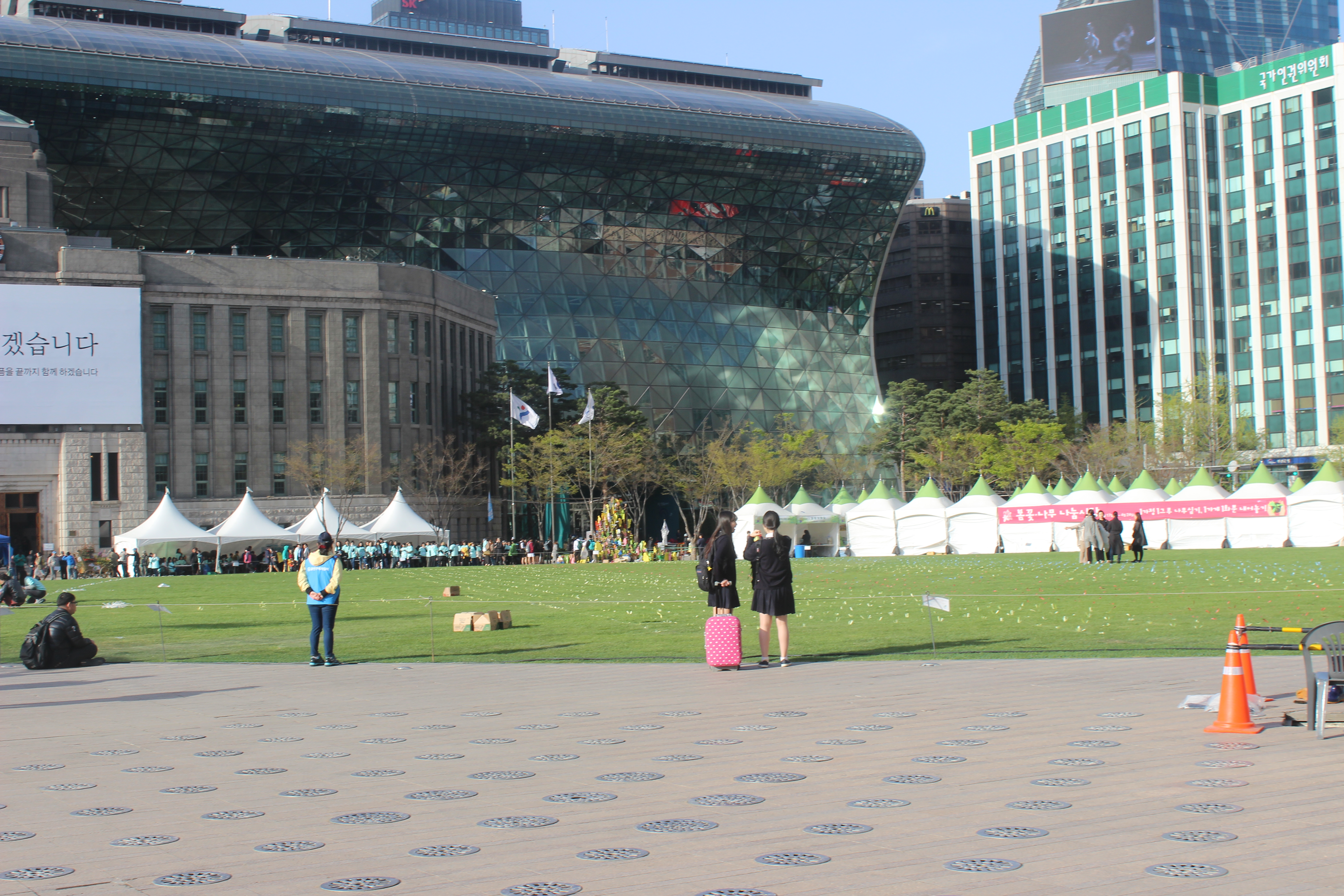
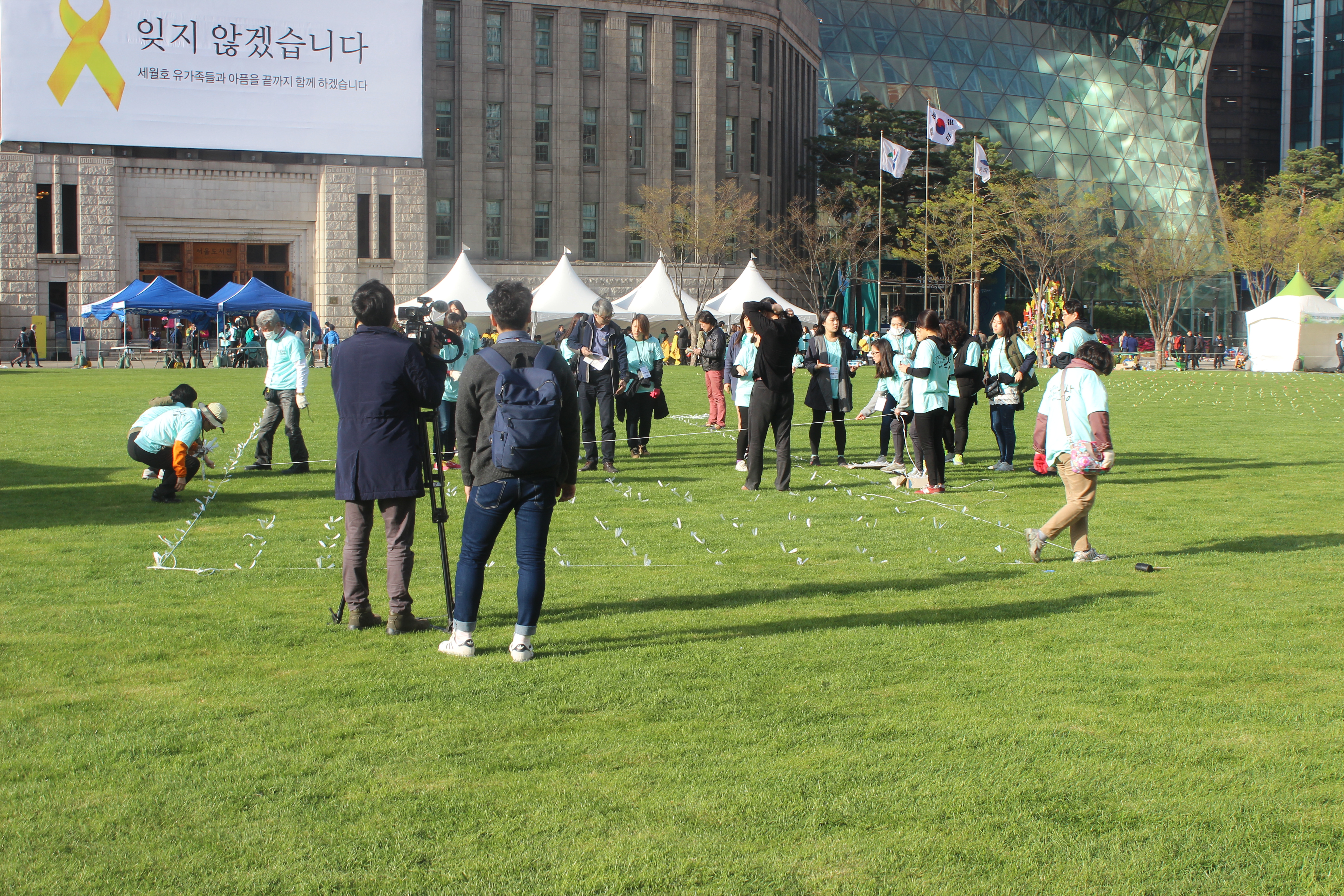
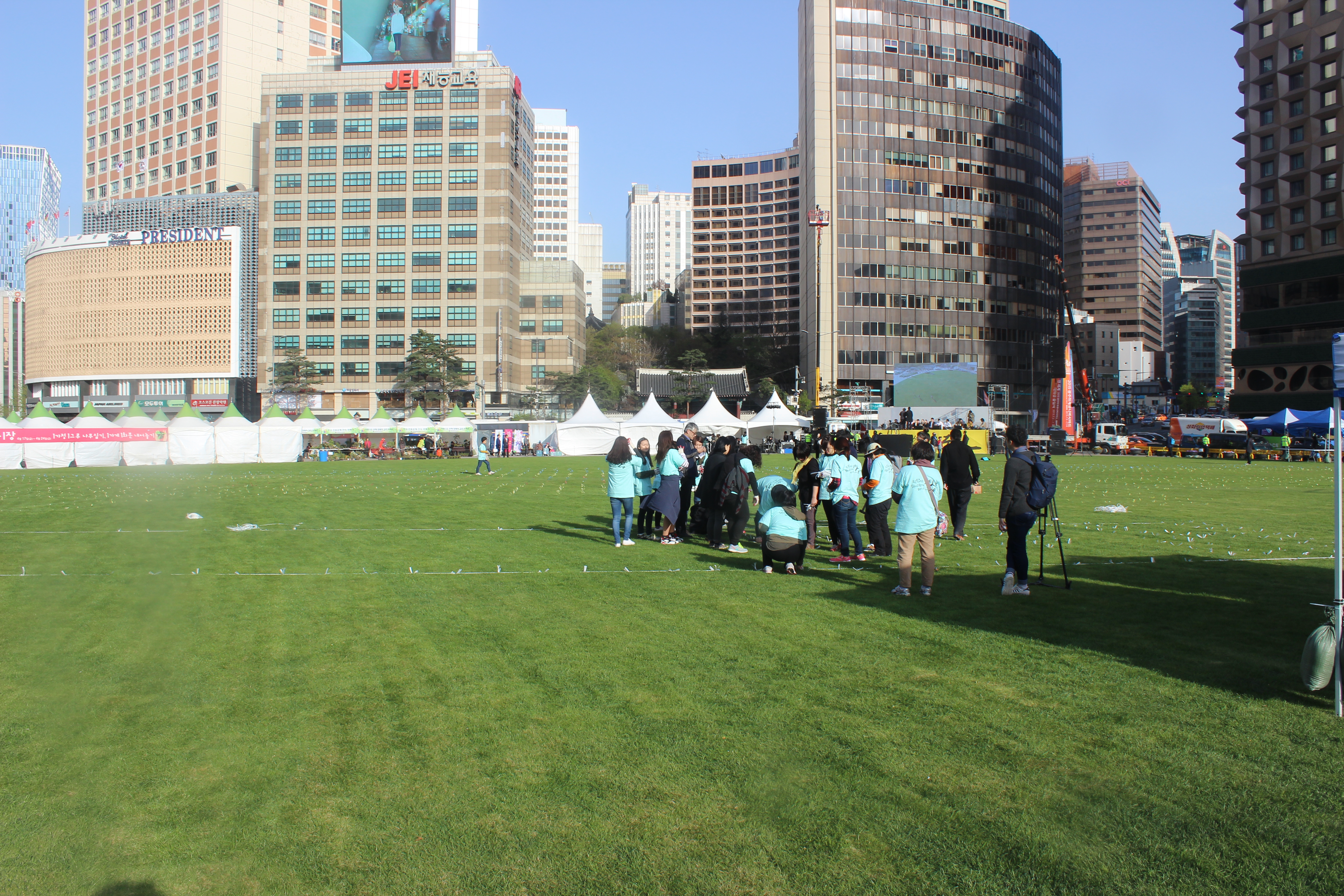
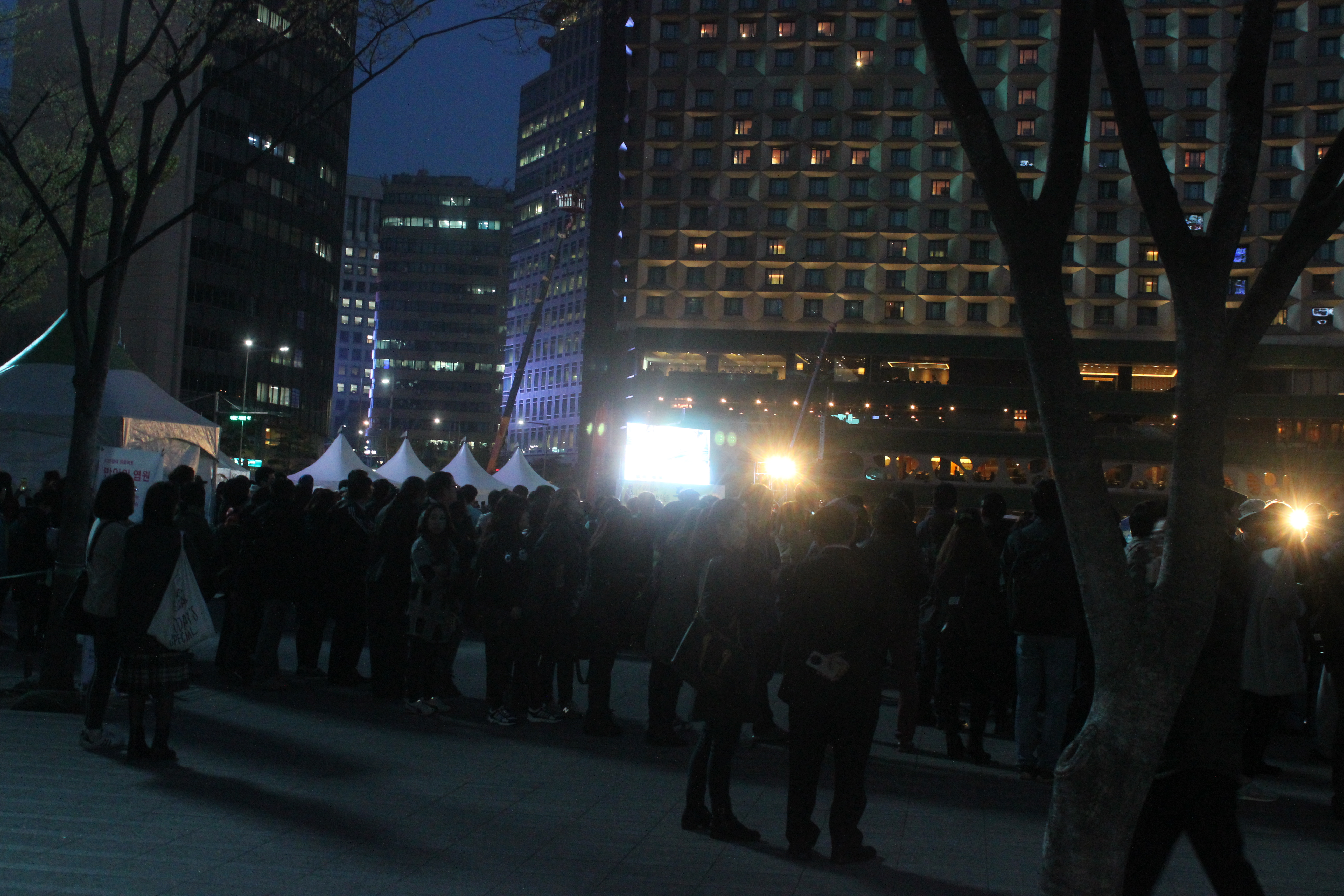
There was an immense gathering in front of Seoul City Hall this evening to commemorate the first anniversary of the sinking of the Sewol Ferry, an event that cost the lives of over three hundred high school students from a working class neighborhood because the ferry operator told them to stay in their seats even after the boat began to tip and he fled himself.
The gathering brought a large number of high school and middle school students who just showed up out of concern, out of “sadness,” as they told me.
The event was billed as a candlelight vigil that would set a “Guinness Book world record.” The gathering was a mixture of spontaneity and meticulous planning. There was a festive mood at times and deep angst and worry about a world which has gone so completely wrong. It seems as if the students were wrestling to understand how this accident could have taken place and how so many in their society could pretend it had not happened.