“From Pacific Pivot to Green Revolution” in Foreign Policy in Focus

Foreign Policy in Focus

“From Pacific Pivot to Green Revolution”

By John Feffer and Emanuel Pastreich

October 4, 2012

The low rolling hills of the Dalateqi region of Inner Mongolia spread out gently behind a delightful painted farmhouse. Goats and cows graze peacefully on the surrounding fields. But walk due west just 100 meters from the farmhouse and you’ll confront a far less pastoral reality: endless waves of sand, absent any sign of life, that stretch as far as the eye can see.

This is the Kubuchi desert, a monster born of climate change that is slouching inexorably east toward Beijing, 800 kilometers away. Unchecked, it will engulf China’s capital in the not-so-distant future. This beast might not be visible yet in Washington, but strong winds carry its sand to Beijing and Seoul, and some makes it all the way to the east coast of the United States.

Read more

“The Crisis in Education in Korea and the World” Asia Institute Seminar with Peter Hershock

“The Crisis in Education in Korea and the World” 

September 15, 2012

Dr. Peter Hershock
Director, Asian Studies Development Program
East-West Center
University of Hawaii, Manoa

Author of

Changing Education: Leadership, Innovation and Development in a Globalizing Asia Pacific

Emanuel Pastreich
Director
The Asia Institute


Peter Hershock:
Some of the problems we face in education are new, but many have a long history and we must consider more comprehensive changes that go beyond individual students and teachers if we want to make any headway. We have to find concrete ways of disentangling ourselves from the past, from assumptions about education that date back to the 16th century.
Emanuel Pastreich:
What exactly changed about education back in the 16th century that was the cause of problems in education today?
Peter Hershock:
How we school people today is for the most part a global system. That system may vary from place to place and its relationship with government, and with parents, also varies. The universal assumption is that education has to do with students moving through a curricula. This idea was framed originally by Peter

Read more

“Looking at Free Trade and Korea’s Position in a Globalized World ” Asia Institute Seminar with Mark Kingwell


“Looking at Free Trade and Korea’s Position in a Globalized World ”


Asia Institute Seminar with Mark Kingwell

May 10, 2012


Mark Kingwell

Professor

Department of Philosophy

University of Toronto


Emanuel Pastreich:

Free Trade agreements, especially with the United States, seem to raise very strong emotional responses in Korea. Koreans associate them with mad cow disease and undue influence of multinational corporations. And yet, oddly, trade agreements with Europe or India have not resulted in that degree of protest.

It seems many see trade liberalization, specifically the KORUS FTA with the United States, as opening the flood gates for influence by American multinational corporations and the import of unhealthy foodstuff. The import of American goods will put Koreans out of work and result in greater interference of the United States in Korea at the local level.

And yet, when it comes to trade, things are not exactly what many people think they are. Many Korean companies are themselves powerful multinationals and the balance of power between the United States and Korea, is far from obvious.

Koreans run around worrying that Americans will come in and just buy up valuable Korean companies and dominate the nation. But in fact, Korea is likely to invest far more in the United States than the United States could possibly invest in Korea over the next decade. If there is a problem in trade, it cannot be reduced to an America vs. Korea equation.


Mark Kingwell:

Some years ago, Canadians went through a similar debate concerning the North American Free Trade Agreement (NAFTA) with the United States and Mexico; but there are two significant differences between Canada’s relationship with the United States and Korea’s.  First, Canada is a resource-rich country. Our historical identity is as lumbermen and hewers of wood or drawers of water and will likely continue to determine our future, at least its immediate version, with respect to the rest of the world.  

Read more

“선비정신이 구닥다리? 세계가 탐내는 엘리트 전통이죠” 조선일보

朝鮮日報

2012년 9월 20일


“선비정신이 구닥다리? 세계가 탐내는 엘리트 전통이죠”

정옥자•페스트라이쉬 교수 안동 군자마을서 토크 콘서트

“요즘 싸이의 ‘강남스타일’이 세계를 휩쓸고 있지요. 하지만 그것만으로는 한국의 대표로 삼기에는 부족해요. 썬비(선비) 정신이야말로 한국의 정체성을 대표하는 키워드가 될 수 있다고 생각해요.”(페스트라이쉬 교수)

“제가 대학생 시절일 때만 해도 선비 하면 구닥다리, 시대착오라고 했어요. 수십년이 지나 이런 선비 행사도 열리고 먼 데서 찾아오는 분들이 있는 걸 보면 격세지감을 느낍니다.”(정옥자 교수)


안동 군자마을 탁청정에서 열린 토크 콘서트에서 정옥자(오른쪽) 교수가“한때‘시대착오’로 여겼던 선비 정신에 대한 관심이 되살아나는 것이 반갑다”고 하자, 페스트라이쉬 교수는“선비야말로 세계를 향해 한국이 내놓을 만한 문화 브랜드가 될 수 있다”고 화답했다. /남강호 기자 kangho@chosun.com

Read more

The Korean Comic Book Misaeng (“Misaeng” (未生 “The one who has not lived yet”) : War of attrition in the corporate office

Korean comic books (“Manhwa” as opposed to the Japanese “Manga”) have increased their sophistication with incredible speed over the last five years. I do not read comic books as a rule, and my exposure is limited to the educational manhwa my children read at home. But when I saw an article about the new manhwa series “Misaeng” (未生 “The one who has not lived yet”) I had to have a copy. It is a remarkable work of art that deserves to be widely read and analyzed.

Misaeng, the work of Yoon Taeho (윤태호), describes the claustrophobic interpersonal relations between employees of Korean corporations, focusing on the banality of everyday life and the little struggles and tiny victories of survival in a corporate culture. The analogy that dominates the book is between life in modern society and the game of baduk   or “go” as it is known in Japanese.

Read more

Lecture on the future of Korean cities at JSB

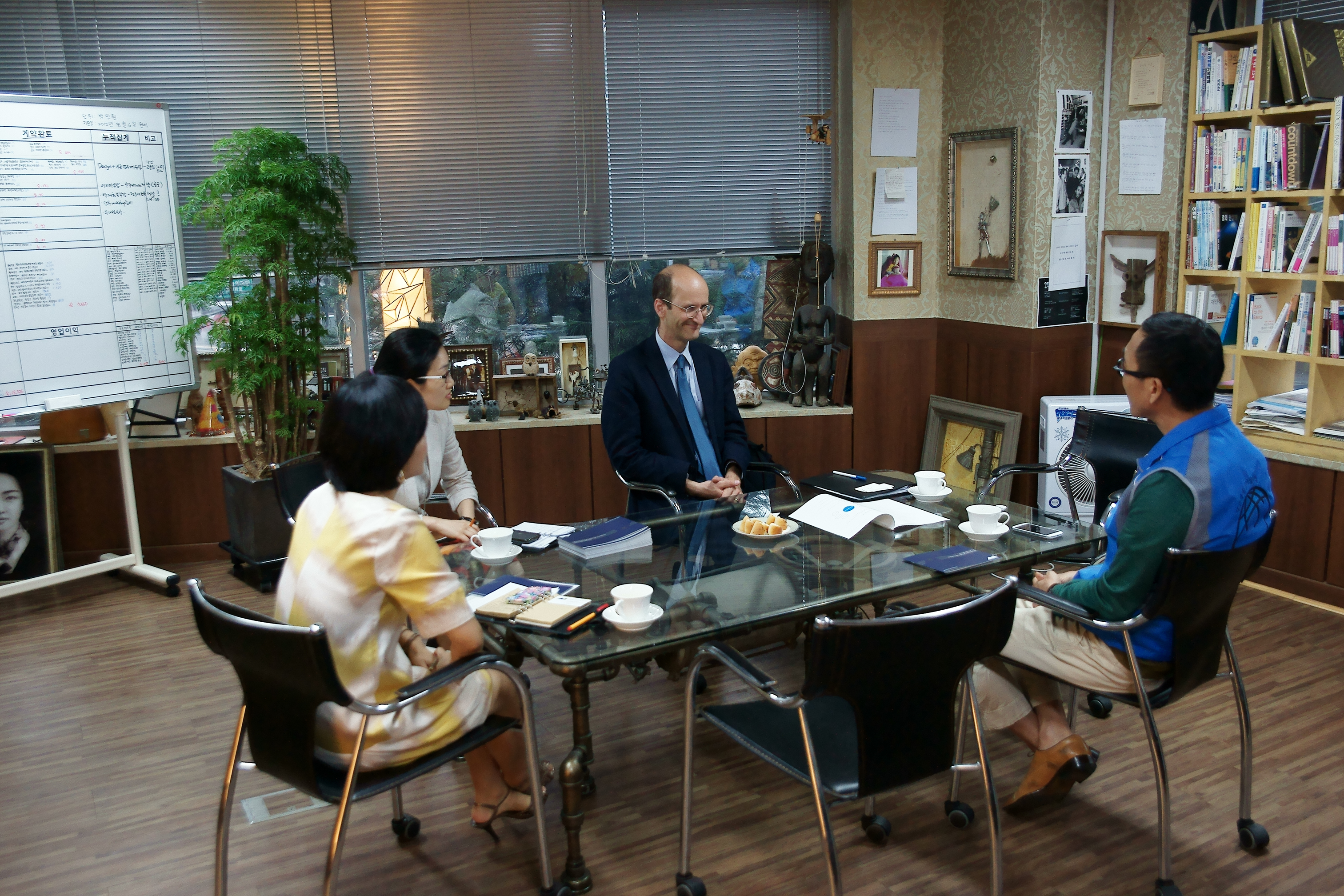
I was invited to give a talk at JSB Incorporated, one of the most innovative companies in Seoul working on environmental design on August 30, 2012. I had a chance to speak at length with the CEO Choi Jaejung, a remarkable figure who is known for his love of art and the environment (both he and his wife are artists) and his open style of administration.

Read more

JSB도시환경 특강: “도시의 미래, 변화를 위한 방향은 무엇인가?”

2012년 8월 30일


명사 초대석

JSB도시환경

도시의 미래, 변화를 위한 방향은 무엇인가?”


경희대 후마니타스 칼리지 이만열 교수


급변하는 우리네 도시의 모습을 보면 미래 모습은 감히 상상조차 되지 않을 때가 있습니다. 그래서 이번 3/4분기 명사초대석에는 도시의 미래에 대해, 그 올바른 방향성에 대해 말씀해 주실 분을 모셨습니다.


JSB도시환경 최재정 대표님 과 같이 말씀 나누는 순간

경희대 후마니타스 칼리지 이만열 교수님께서는 대만, 일본, 미국에서 유학하며 동아시아 언어와 문화에 대해 공부하셨고, 현재는 우송대학교 아시아연구소장을 겸직하며 도시의 생태·문화적 발전을 위해 다방면으로 힘쓰고 계십니다. 이번 명사초대석에서는 ‘도시의 미래, 변화를 위한 방향은 무엇인가?’라는 주제로 강의를 진행하셨습니다.

Read more

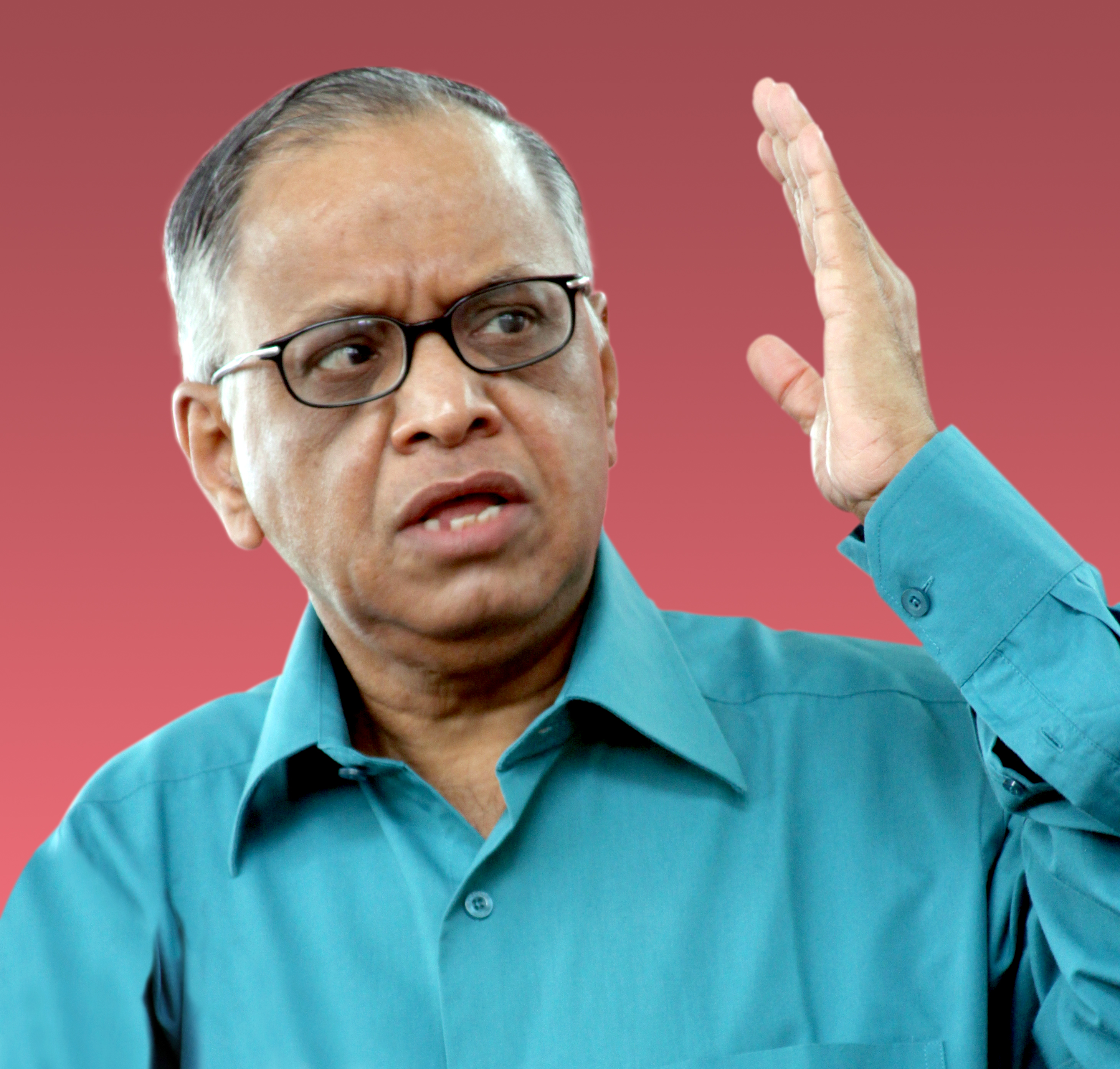
Asia Institute Interview with Mr. N R Narayana Murthy

August, 2012

Speaker

N R Narayana Murthy

Founder and Chairman Emeritus of Infosys Technologies Pvt Ltd., India

Mr. Murthy is a legendary Indian business known for building Infosys Technologies from a local company to a global leader in consulting and technology services. This Interview concerns the position of SMEs (small and medium-size enterprise) in Korea and in the world.

Read more