“Wasted potential in a coffee shop” (JoongAng Daily March 28, 2016)

JoongAng Daily

“Wasted potential in a coffee shop”

March 28, 2016


Emanuel Pastreich


I spent a few hours in a coffee shop in Gangnam last week finishing up some paperwork and reading a book. The coffee shop was beautifully appointed with comfortable leather chairs, oak woodwork and the café latte was served to me in a delicate porcelain cup. As I was the only customer in the coffee shop for most of the time, I had a chance to talk with the young man who served me.

A thoughtful young man with an inquisitive mind, he made several remarks about Korean culture that I found quite insightful and I was tempted to ask him to sit down with me at the table for a bit, although I feared that might not be an appropriate request.

In any case, I threw a glance at him every 20 minutes or so and saw him sitting behind the counter looking vaguely bored as he fiddled with his smartphone.

By the time I left the café I felt deeply disturbed by what I witnessed and I have to admit that I no longer feel comfortable drinking coffee at coffee shops as I did before. Here I found an extremely talented young man, a product of Korea’s excellent educational system, who was literate and insightful, but who is working in a position that offers him no opportunities to learn new skills, no chances to work together on a common project with his peers, no chance to learn from a senior employee and no opportunity to offer his ideas as to what innovations can be carried out in the company.

Read more

Book about Bernie Sanders at Kyobo

At this late date a book with Bernie Sanders on the cover has at last showed up at Kyobo Books. I think it will be a few more months, but, eventually, we will see the populist culture of Sanders and Trump flow into Korea. sanders in seoul

“The future of Korea’s exports” (JoongAng Daily February 19, 2016)

JoongAng Daily

“The future of Korea’s exports”

February 19, 2016


Emanuel Pastreich


The record dip in Korea’s exports in January, down 18.5 percent, has sent shivers down the spines of Koreans whose custom it is to measure economic development in terms of trade. The challenge is serious; but will the solution be investing more to promote what Koreans manufacture, or rather, will it be making a fundamental shift in the country’s strategy?

The exponential advancement of technology is changing the world so quickly we can barely keep up. I recently sat on the panel at the seminar “The Future of the Republic of Korea” and heard Global Future Studies Association Chairman Lee Nam-sik remark: “Uber, the world’s largest taxi company, owns no automobiles; Facebook, the world’s greatest media source, creates no content; and Alibaba, the strongest retailer, has no inventory.”

His comment on the paradoxical nature of an information-driven economy came together in my head with the news of Korea’s drop in trade. Would it be possible for Korea in the future to become the biggest trading nation in the world and not export any products?

At the lowest level, the increase in Korean manufacturing in China, Vietnam and elsewhere suggests that this transition is already taking place. Korean companies take advantage of their strengths in finance, marketing and scale of production to create a global manufacturing system. But that trend has had clear negatives for ordinary Koreans who have seen good jobs vanish either because factories have gone abroad or because they have been more completely automated.

What is Korea good at? It is not a particular technology that only Koreans have, but rather the ability of Koreans to build complex integrated systems for the planning of industrial development, design, manufacturing, marketing and sales. In the past, Koreans moved fast to seize opportunities without losing sight of their long-term goals to be successful in shipbuilding, automaking, smartphones and household appliances.

The Korean ability to integrate technologies so as to produce a solution to a complex problem is something that itself can be exported as a package.

Let me give an example. One of the largest emerging markets in the world over the next 15 years will be the conversion of sprawling cities focused on heavy manufacturing, which were constructed using Western-style automobile-centric city planning, into sustainable eco-cities. There are hundreds of these cities in India, China and elsewhere in the developing world that will become uninhabitable in the near future because of pollution and other sustainability issues. They will all have to be completely rebuilt as sustainable cities that can support millions of residents.

The market for such projects will be immense, and Korea could be the country that will do the work because Korea is making the same transition. But this work will be a fundamentally different kind of business than the standard export-based growth that many are accustomed to.

First, Korea should rapidly convert all its major cities into the most advanced eco-cities in the world, using Korean technologies to meet its needs and using its strengths in the adoption and implementation. The creation of cities that are truly sustainable is not a matter of obtaining cutting-edge technology, but rather of integrating technology with institutional innovation.

Moreover, the project has much to do with culture: creating a new cultural paradigm that appeals to young people. The eco-city includes the development of new online communities and networks for collaboration – another strong-point for Koreans.

The product is Korea itself.

We must move beyond the terrible irony of Korea producing solar cells for export but not using them domestically.

Read more

Daniel Garrett Seminar on Surviving Climate Change (March 14, 2016)


Daniel Garrett

Senior Associate

The Asia Institute

“Realistic approaches to surviving climate change: Searching for an ‘Atmosphere of Hope'”

March 14, 2016 Monday

10:00-11:30 AM


@

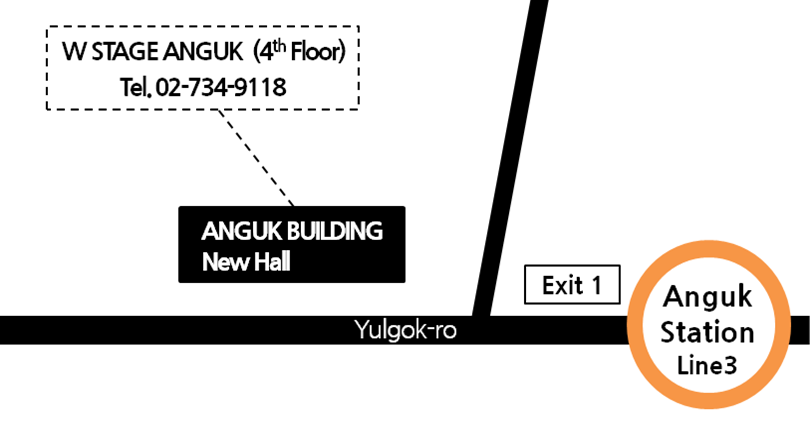
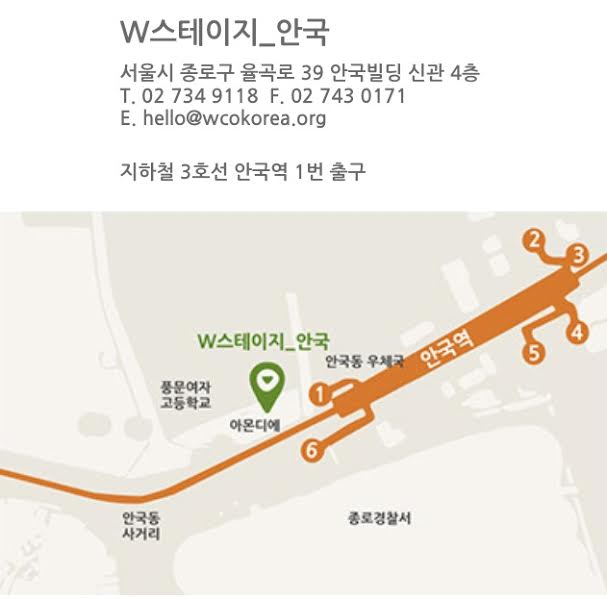
WCO Anguk

Conference Room (4th Floor)

SEE MAP BELOW


“Realistic approaches to surviving climate change: Searching for an ‘Atmosphere of Hope'”


Daniel discusses how this hyper-complex system that defines the Earth’s environment has already reached the point at which it can no longer return to its previous state. He discussed how humanity will need to make massive adjustments to live on a very different planet.  Daniel will propose innovative ideas for a realistic response, with an emphasis on the recent work of Tim Flannery “Atmosphere of Hope: Searching for Solutions for the Climate Crisis.” He suggests approaches to survival that that avoid the serious risks of geo-engineering but at the same time demand serious commitments.


Daniel Garrett, senior associate at the Asia Institute, is a retired U.S. Department of State diplomat.  His areas of expertise include human rights, trafficking in persons, Himalayan regional issues, climate change and international trans-boundary water issues.  He is currently working to facilitate the accelerated emergence of innovative ideas and technologies that make it possible for human civilizations and their infrastructures to be seamlessly interwoven in a productive manner into the earth systems which sustain and support them.

WCO Anguk


W stage Anguk WCO Anguk


Visit to Danwon High School (January 11, 2016)

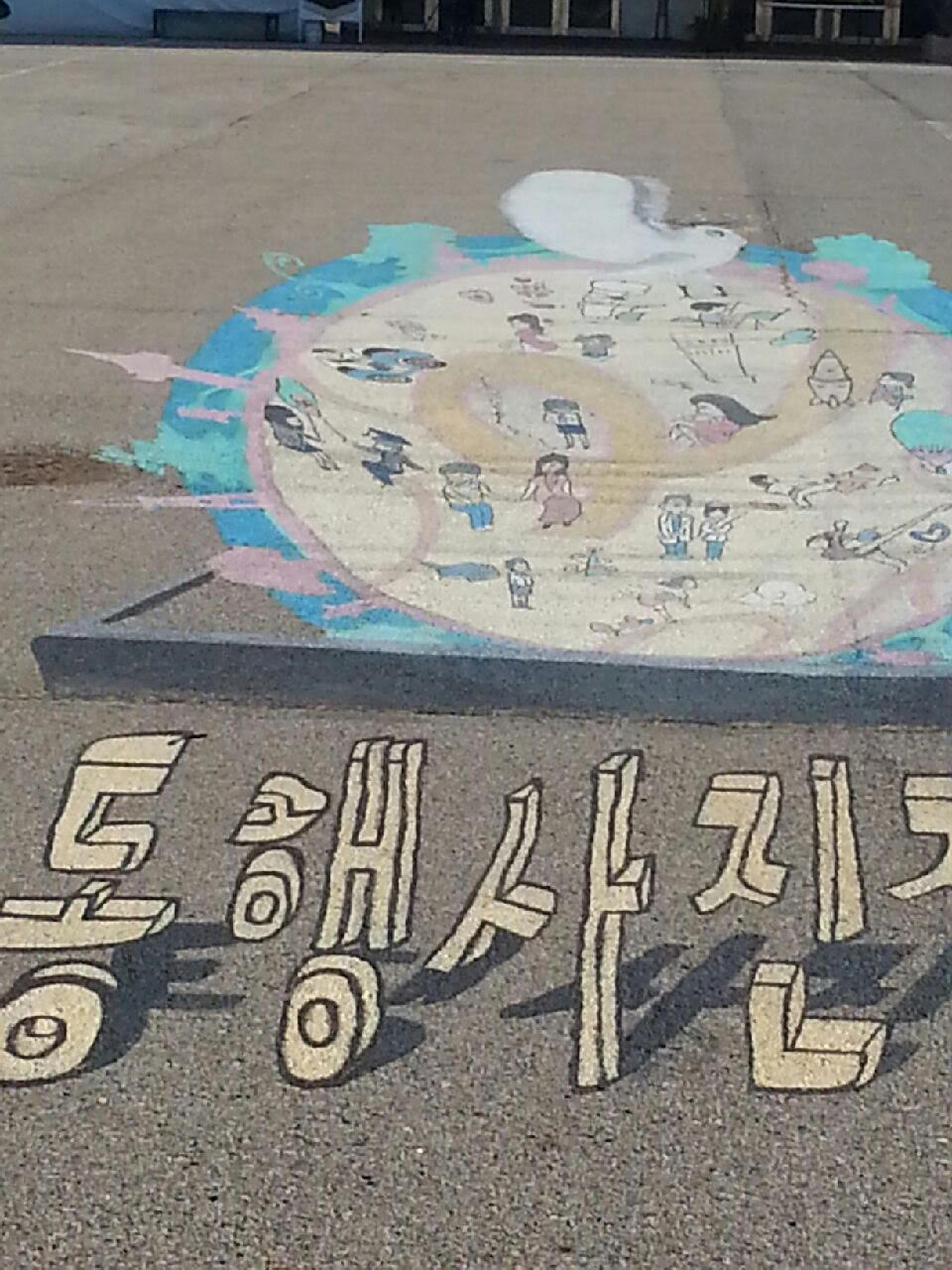
Professor Kim Hyung-yul (chairman of the Asia Institute) and I drove down to Danwon to meet with several of the parents of the children who died o April 16 2014 when the Sewol Ferry they were riding on sunk and they were told to stay in their seats as the pilot of the ferry jumped off the boat to safety. The concern with a Korea that has become unlivable for young people, known popularly as “Hell Chosun” is best represented by this incident. The sinking ferry is considered as a symbol for the state and the students the young people who are abandoned by those in business seeking short-term profits.

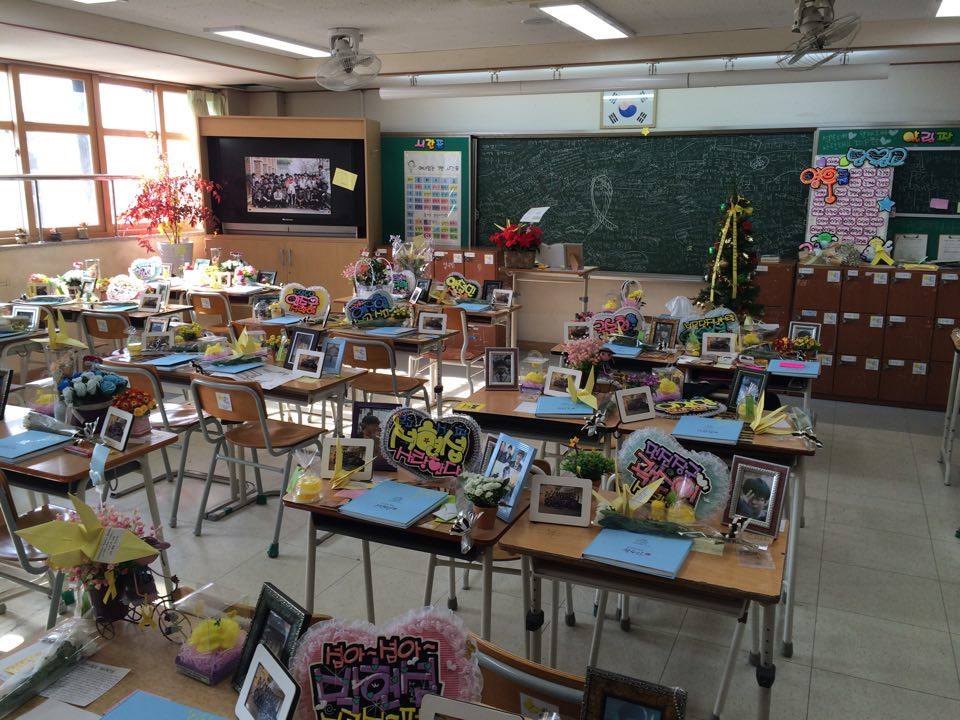
We spent four hours at the makeshift memorial shrine to the students that has been erected near the district of Danwon. We also visited Danwon High School to see the classrooms that have been turned into shrines to entire classes of students who died together in the dark in corridors that had turned upside down and were flooded with cold water. The photographs taken at the very last moments by students have been banned from public release for the most part.

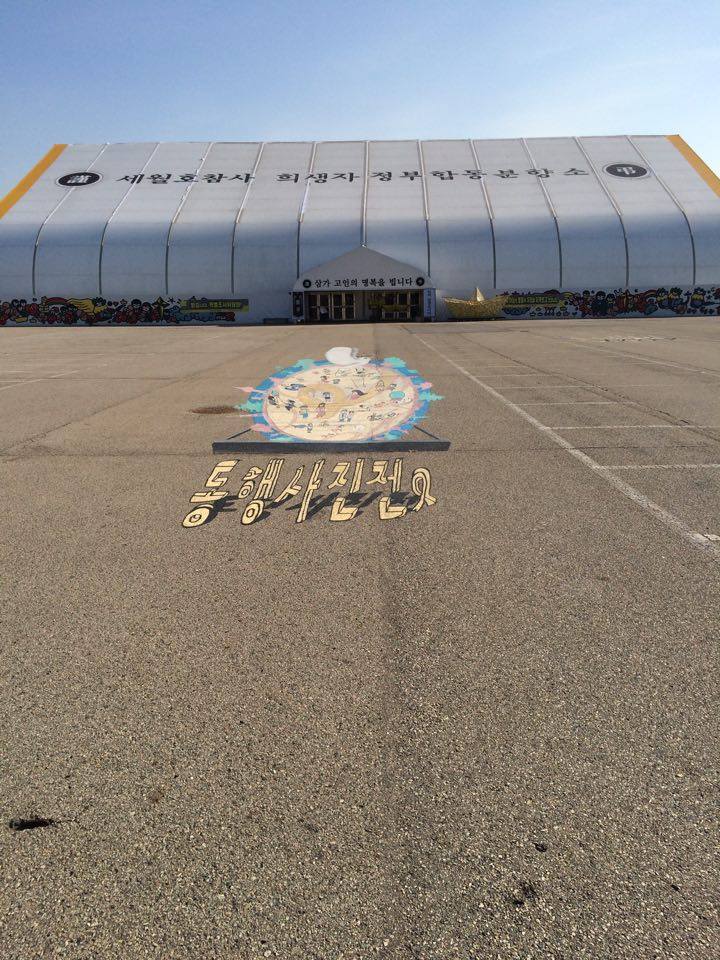
The temporary memorial to the victims of the Sewol Ferry sinking in Danwon.
The temporary memorial to the victims of the Sewol Ferry sinking in Danwon. The surviving students and parents have put enormous effort into creating an appropriate space, but the future of this memorial remains in doubt.


wereere

Geography of tragedy.

were

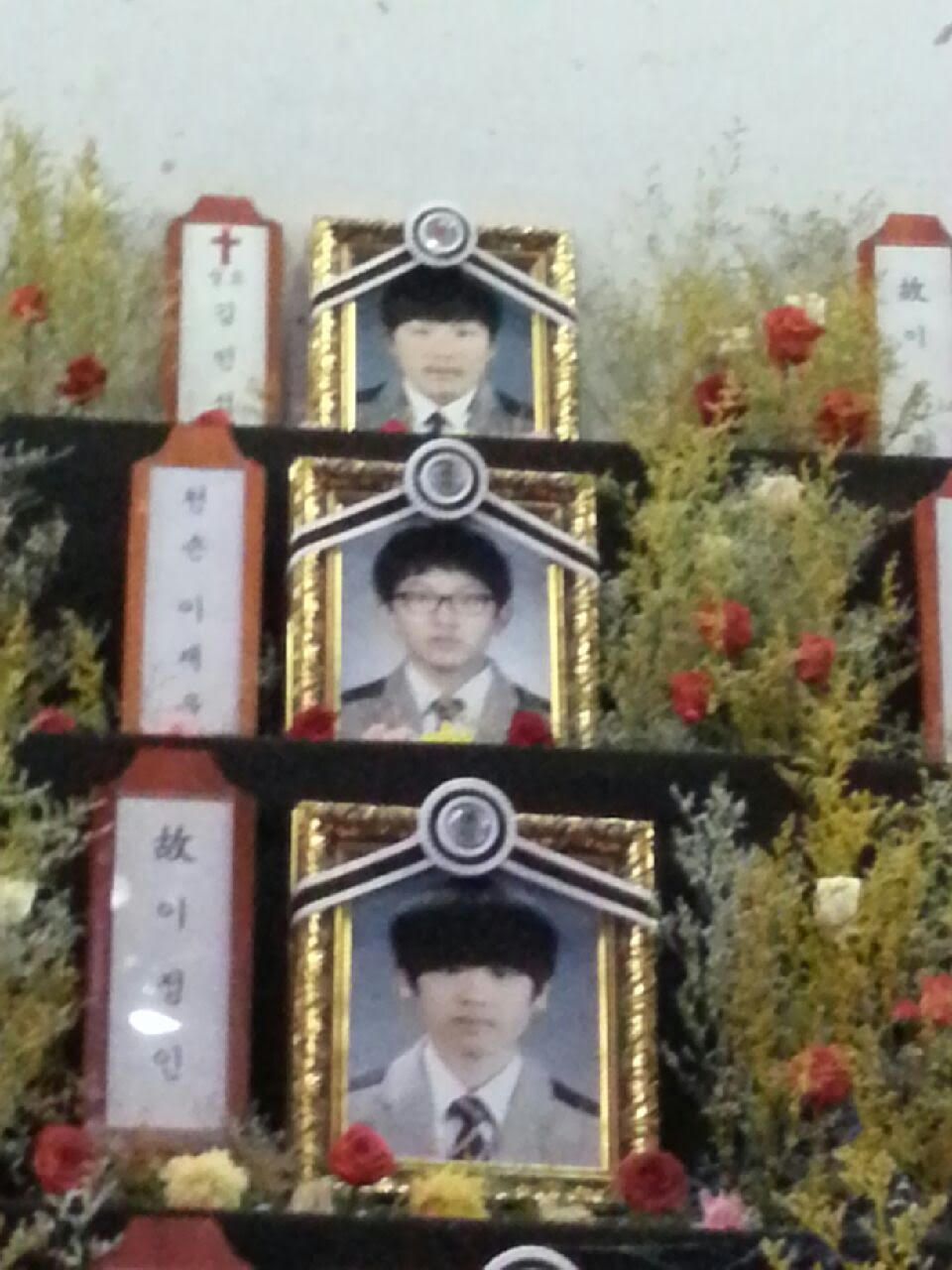
Pictures of the students who died are lined up inside the memorial.


eghgr

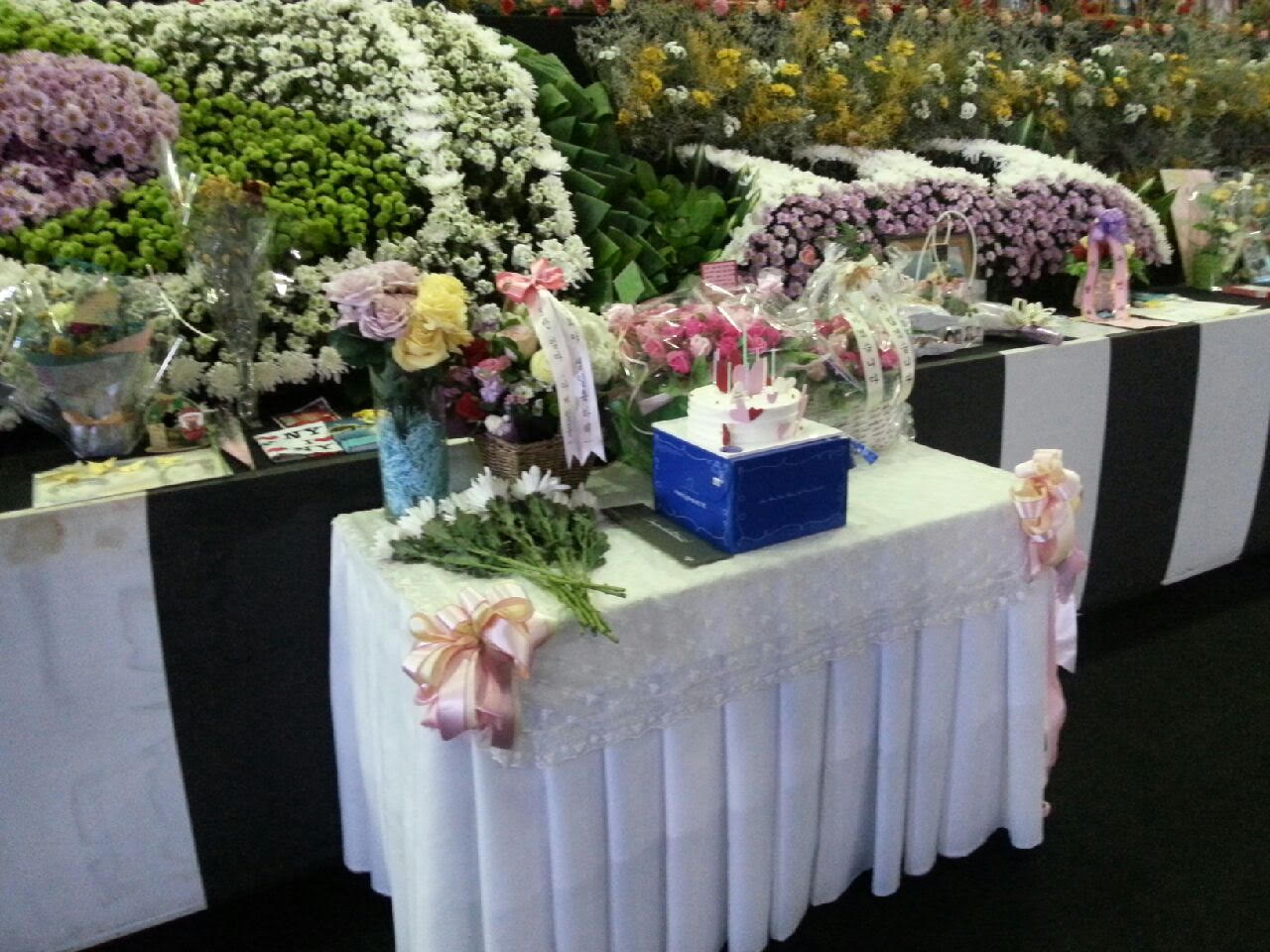
Offerings to the victims represented in the memorial are brought daily. Birthdays of students

are solemnly celebrated by family members and classmates.


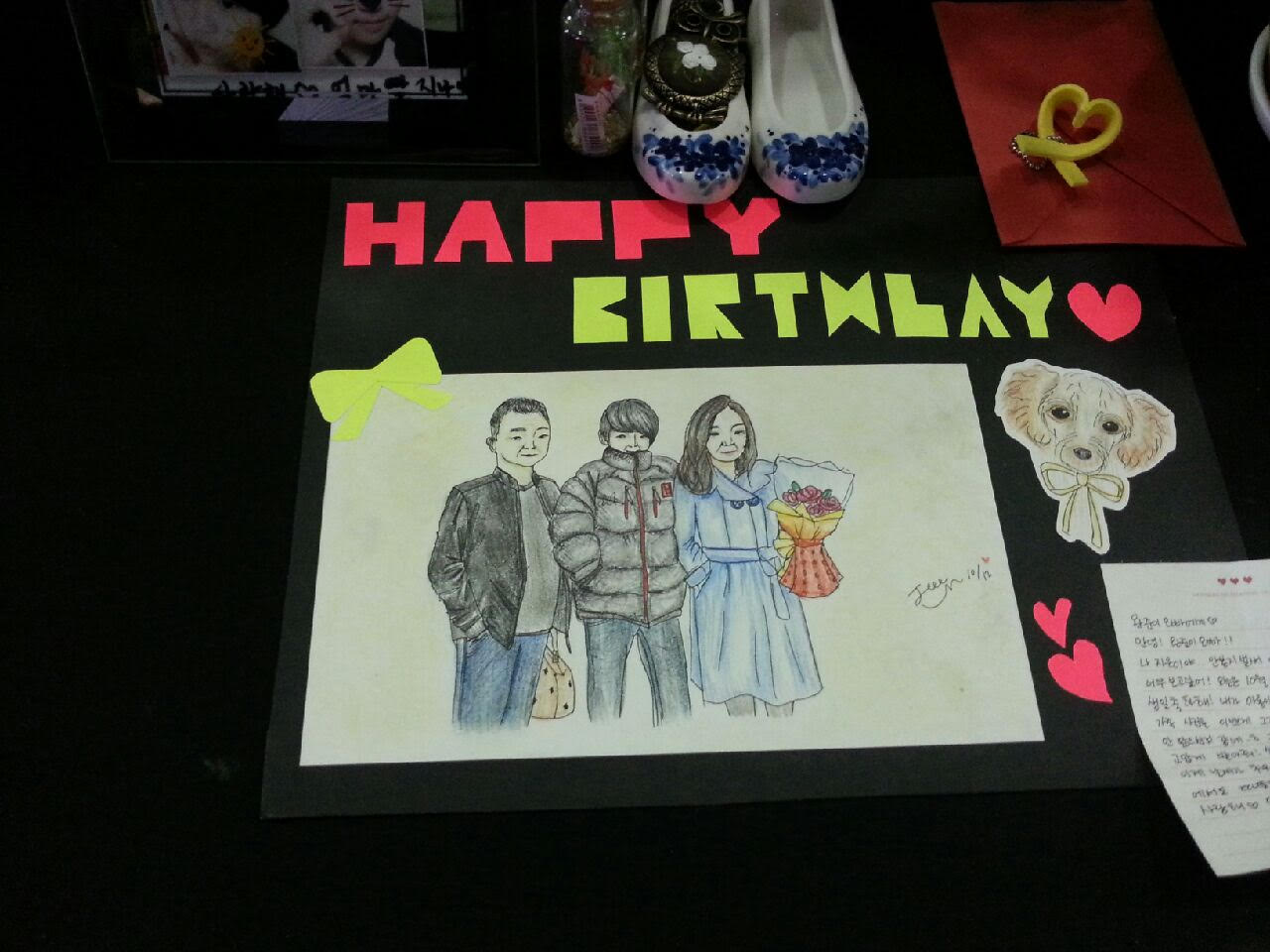
chilrens


A personal note for a silent birthday.


Inside one of the classrooms in the high school which has been turned into a mausoleum.
Inside one of the classrooms in the high school which has been turned into a mausoleum. Each desk features items that belonged to the student. In one class, a single student survived to live on in shock.


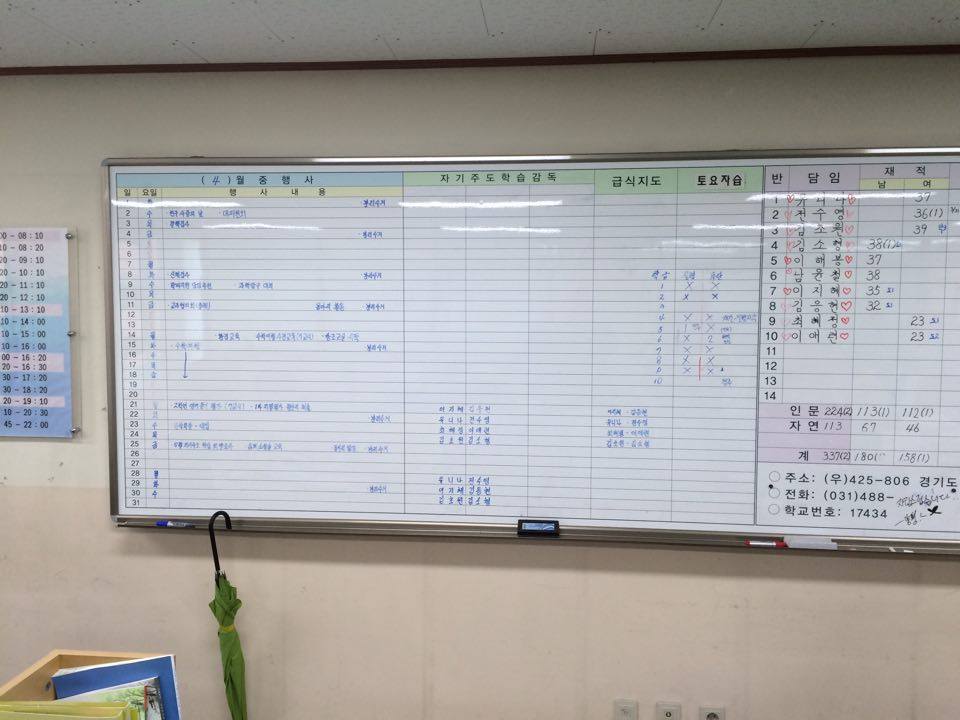
The white board in four of the classrooms of Danwon are frozen in time.

Chinese section at Kyobo Books

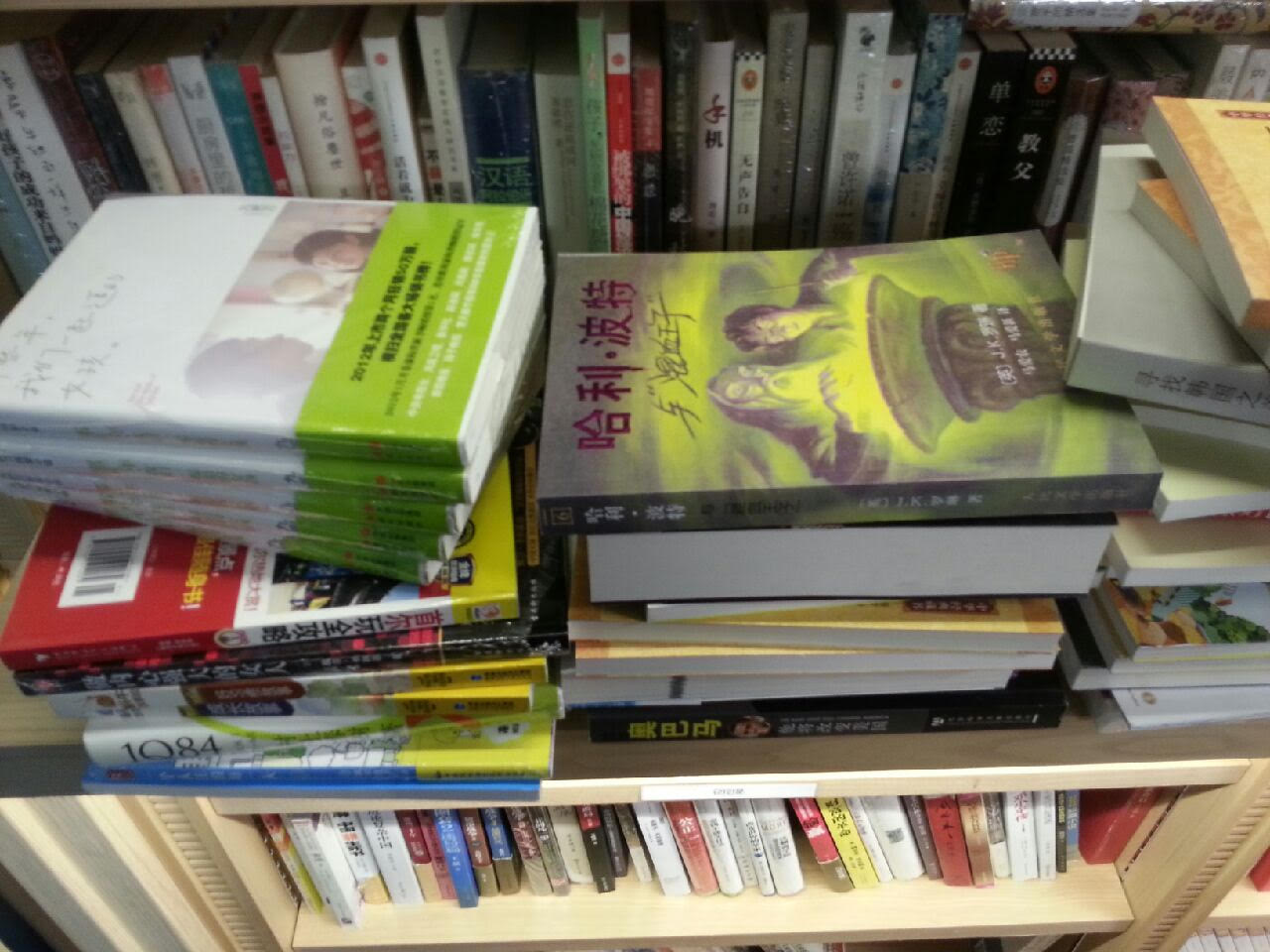
There are many aspects of Kyobo Bookstore in Gwanghwamun that bother me. First and foremost is the decision to stop being a book store and turn into a department store that sells speakers, socks, candles, stationary supplies, bags and snacks. In addition the number of books lying on their sides (as opposed to on shelves) has increased, but the total number of books, and variety of books, has declined precipitously over the last eight years I have been coming here.

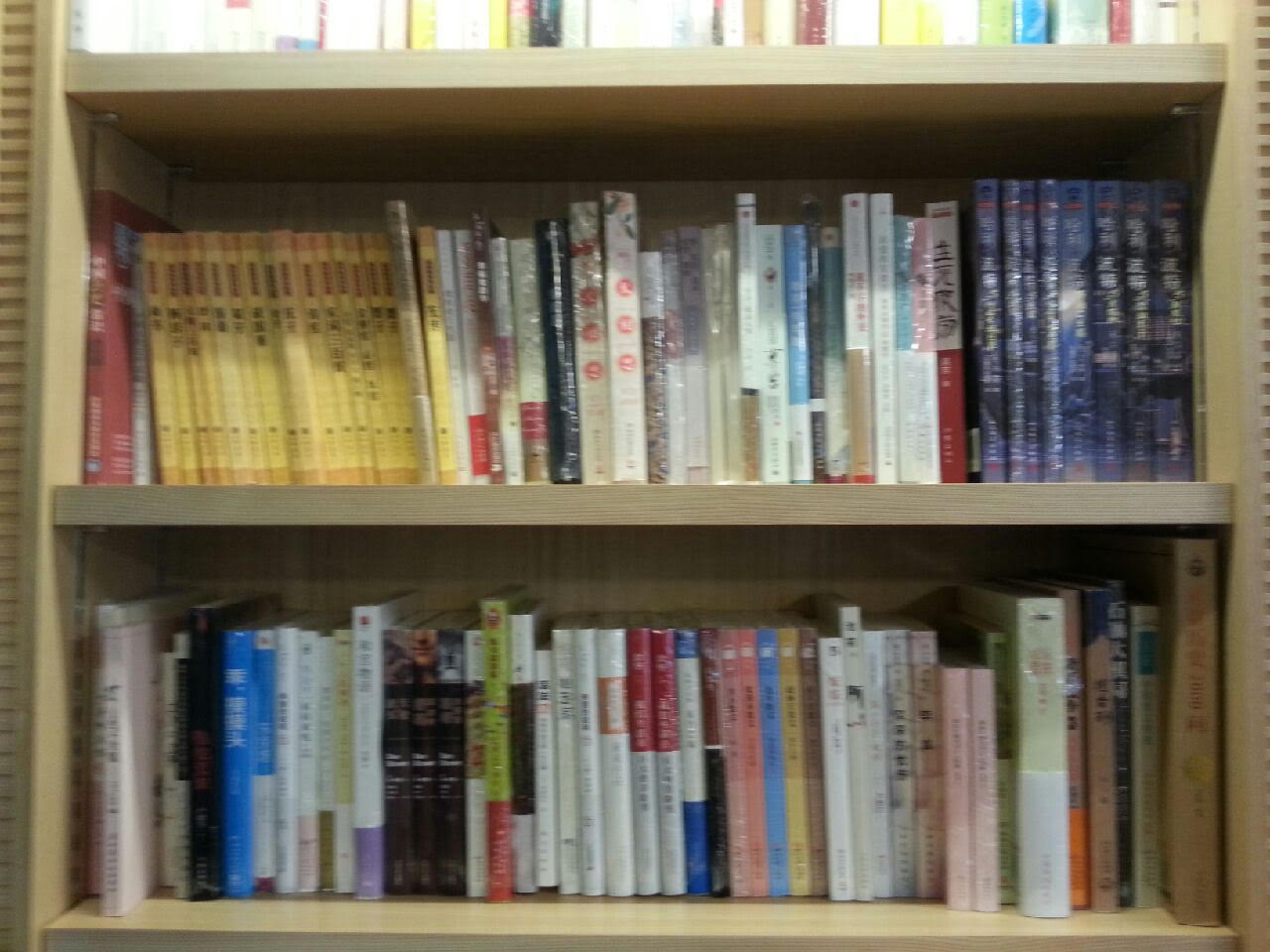
But by far the saddest part of the Kyobo Bookstore is the Chinese book section. As opposed to the English language section which includes a good stock, and a few worth reading, or the Japanese section, which is more limited, but still sufficient, the Chinese section is just four shelves in an extremely obscure corner. You would never find it if you did not ask.

The books are translations of Western (and some Japanese) mainstream works. Not a single book by a significant book by a Chinese writer is to be found.

Not sure I know why Kyobo has invested so little in the Chinese section, but it looks like a mistake granted just how important to Korea China has become.

The Chinese book section at Kyobo Books is only about four shelves and contains not a single significant Chinese book.
The Chinese books are translations of Western and Japanese books or bland how-to books by unknown authors.

“Can we really expect miracles from politicians?” (JoongAng Daily January 6, 2016)

JoongAng Daily

“Can we really expect miracles from politicians?”

January 6, 2016

Emanuel Pastreich


The entrepreneur-turned-politician Ahn Cheol-soo is scrambling to create a new political party and I have heard the gossip about which politicians may, or may not, join him in this venture.

But although some friends have voiced their hopes that a new party will breathe life into the stagnant political discourse of Yeouido, most assume that other than a few ritualistic changes, and yet another name change, politics will continue pretty much as usual. Political parties will remain as relevant to ordinary citizens as the fantastic cloud formations that pass by in the sky.

Interestingly a similar struggle is taking place simultaneously in the United States in the Democratic Party. In that case, although presidential candidate Bernie Sanders does not want a new party, he wants to take control away from Clinton loyalists and create a party that is not as close to corporate interests. His supporters are waging a silent war with Debbie Wasserman Schultz, the head of the Democratic National committee who ran Hillary Clinton’s 2008 campaign and is accused of bias in favor of Hillary. Supporters of Ahn and Sanders hope that somehow they can wrestle politicians away from cozy relations with business and media and make them focus on the needs of ordinary citizens. 

Read more

“Energy solution in fossil fuel cuts” (JoongAng Daily December 15, 2015)

JoongAng Daily

“Energy solution in fossil fuel cuts”

December 15, 2015

Emanuel Pastreich 


I have heard many times that Koreans need to be more innovative. But lately I am starting to think it is more imperative for Koreans to be more brave than innovative. Of course, the combination of bravery and innovation is the best.

I have heard many Korean businessmen talk about the poor future prospects for exports given the depressed global market for the manufactured items that Korea produces. For some, it seems as if the answer is just to refine products, or engage in more aggressive advertising. But I fear that more focus on marketing will mean only stunts and gimmicks, and we will lose Korea’s long-term technological advantages in the process.

The answer to Korea’s economic conundrum is obvious. If Korea significantly cuts back on fossil fuels, which make up a large amount of its imports, Korea can realize the economic equivalent of rapid economic growth even if the sales of Korean goods overseas are flat.

At the same time the dire warnings about the dangers of the continued use of fossil fuels that were issued at the conclusion of the UN Climate Change Conference recently should remind us that we also have a moral responsibility to our children.

Korea is benchmarked by developing nations around the world and the speed with which Korea weans itself quickly off fossil fuels will have a positive impact far beyond its shores because others will follow Korea’s lead.

But there is also a security imperative to move away from fossil fuels that should trump any concerns people might have about trade agreements being negatively impacted by Korea’s decision to aim for 100 percent domestically produced renewable

Read more

Emanuel Pastreich speaks with Alex Lightman about solar power and Korea’s future on G-Lounge (December 14, 2015)

Dec 14, 2015

This week on G-Lounge, Emanuel Pastreich interviews Alex Lightman, the renown solar energy specialist and CEO of Everblaze.

They discuss solar power and the potential of Korea to play a critical role in the future development of alternative energy.

2015102913392033921
Part 1

http://www.youtube.com/watch?v=rwxqHRLdZQo

Part 2

http://www.youtube.com/watch?v=JTOYdqNuI-0

Part 3

http://www.youtube.com/watch?v=yLg4yN51sjQ

Part 4

http://www.youtube.com/watch?v=dSdcxfUO6uc